Ten cars torched in Soweto and 11 in Durban as unrest flares, police move foreign nationals to safety
Gunshots were fired in Soweto and tear gas in the Durban CBD as crowds confronted foreign shop owners and the police evacuated a Home Affairs refugee office.
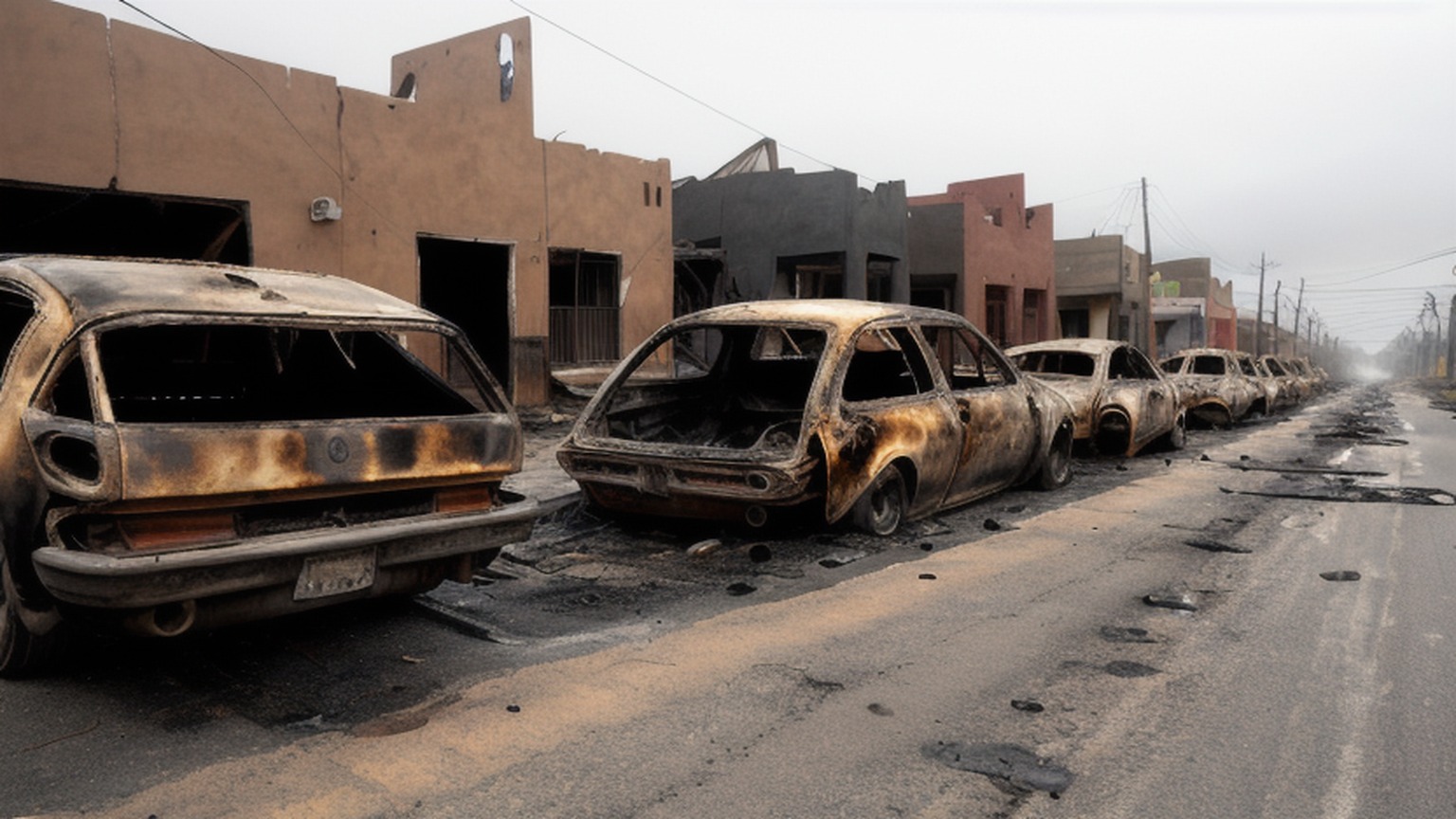
Ten vehicles were set alight in Soweto and at least 11 more were burned in the Durban CBD on Thursday as crowds confronted foreign shop owners in the township and demonstrators gathered outside Home Affairs refugee offices in the city centre.
Gunshots were fired during the clashes in Soweto, southwest of Johannesburg, where residents confronted foreign shop owners. In Durban, police fired tear gas at demonstrators and the fire department dispatched several vehicles to the scene. Foreign nationals at the Home Affairs refugee office were advised by police to evacuate for their own safety.
As eNCA reported on Thursday, tensions flared between South African residents and foreign nationals in both places. That account is the origin of the details above, and this is what it means for the people who live and work in those areas.
Both locations matter beyond the day’s damage. The Durban CBD gathering began at the Home Affairs refugee offices, the point where asylum seekers and refugees in KwaZulu-Natal are processed, and where people queue for the documents that determine whether they can work, rent or open a bank account. When those offices become the flashpoint, the disruption lands on the same people who depend on them. In Soweto, the vehicles burned were cars, taxis and vans, the transport that carries commuters to work and goods to stalls.
Some community members who support the demonstration say the situation could have been prevented if immigration laws were stricter and South African citizens felt prioritised. That is a political argument about policy and enforcement, and it is made by people who marched. It is not evidence that any individual shop owner broke a law, and it does not establish who set the vehicles alight.
No group, movement or individual may enforce immigration law in South Africa. That authority belongs to the state, exercised through Home Affairs, the police and the courts. A crowd that decides who may trade or stay is not applying the law. It is breaking it, and the conduct on Thursday, arson, public violence and the discharge of a firearm in a built-up area, is criminal.
The police response was visible in both provinces. Officers fired tear gas in Durban to disperse the crowd. They advised foreign nationals at the refugee office to leave for their own safety, which is the correct call when a building is about to be surrounded. The fire department moved quickly enough to send several vehicles to the CBD. That is a state response that functioned under pressure, and it belongs in the record.
What is not yet in the public record from the material available is equally important. There is no confirmed count of injuries, no confirmed number of arrests, and no confirmed account of how many people were displaced from the shops, stalls or homes around either scene. Where those figures emerge, they will matter more than the vehicle count. A burned car is insured or replaced. A trader who loses a shop and a livelihood does not recover in a week.
Readers in Soweto and Durban will also notice what tends to follow days like this. Shopfronts close for a few days and then reopen. Some traders do not come back. The people who bear that cost are not only foreign nationals. They are the South African landlords, suppliers, taxi owners and customers whose income runs through those same streets.
The argument about immigration enforcement is a legitimate one to have in this country, and it is being had in Parliament, in the courts and in Home Affairs itself. It is not settled on a pavement with a match. Thursday’s events, in two cities, on the same afternoon, are a reminder of how quickly that distinction gets lost.
- Malema tells Kokstad rally Mtolo's grip on the municipality ends on 4 November 2026-10-05
- Jacinta Ngobese-Zuma lays charges over rape and murder threats as ANC calls for probe 2026-10-07
- Durban asylum centre protest: what SABC reported, and what it left out 2026-10-07
- Protesters picket Durban refugee centre as Home Affairs faces fresh asylum pressure 2026-10-07
- Zuma admitted to KZN hospital after Msinga event 2026-10-07
- Court ruling reopens asylum doors as Durban centre blocked 2026-10-08
- Durban refugee centre shut after violent protest halts asylum processing 2026-10-08
- Sixteen vehicles burnt in Durban and Soweto as migration anger spills onto the streets 2026-10-08
- Court ruling on asylum does not create new rights, minister says as Durban centre blockaded 2026-10-08
- Cars torched in Durban as March and March protests spread to five cities 2026-10-09