Court ruling reopens asylum doors as Durban centre blocked
Home Affairs is processing new asylum applications for the first time since July's Constitutional Court judgment, but anti-illegal-immigration groups met the reopening with a blockade in Durban.
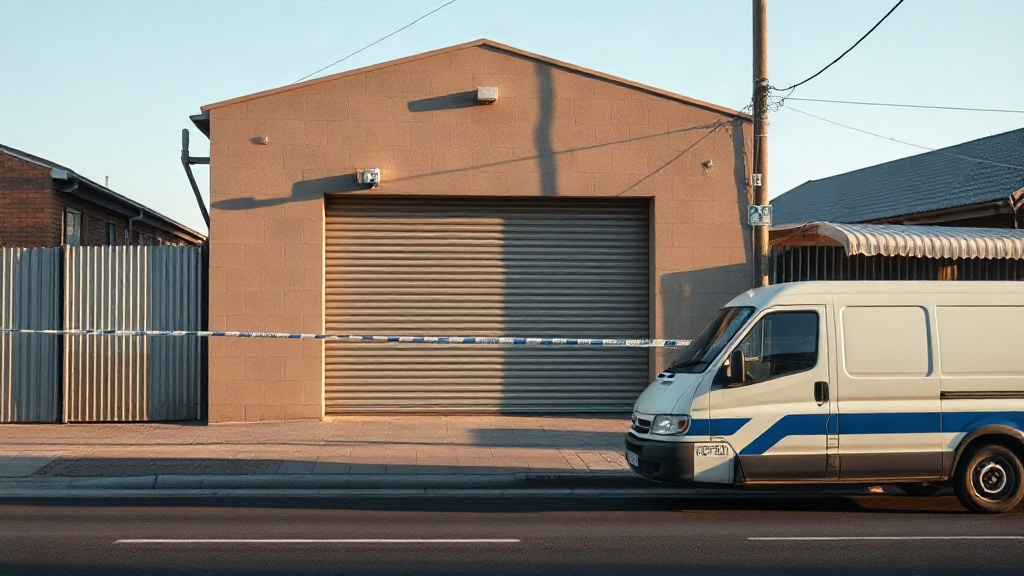
Anti-illegal-immigration groups blocked access to a refugee reception centre in Durban on Wednesday, the day Home Affairs resumed processing new asylum applications across the country.
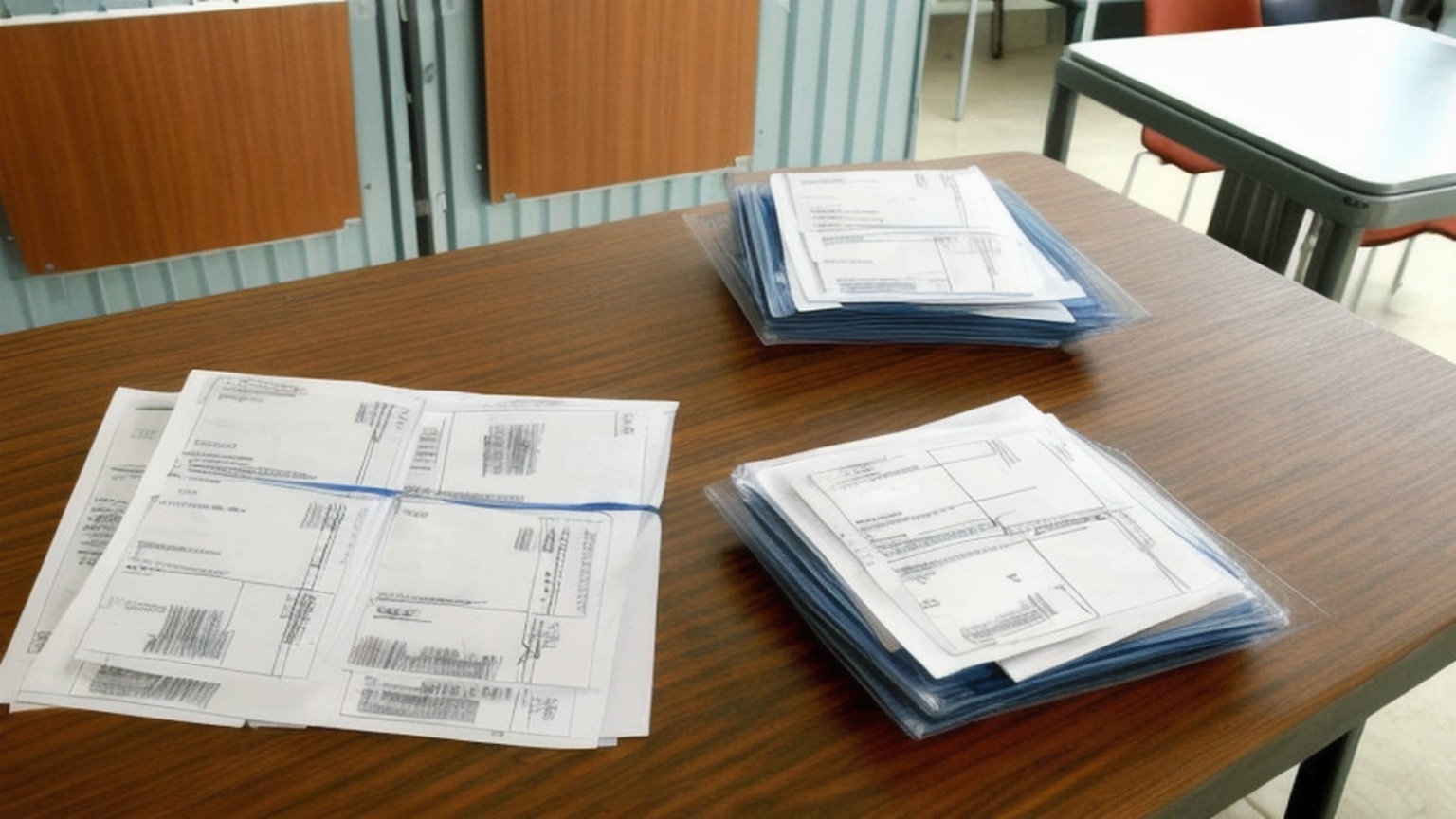
As eNCA reported on 8 October, the disruption came as Refugee Reception Offices began accepting new applications following a Constitutional Court ruling in July that struck down parts of the Refugees Act.
The court removed procedural barriers that had stood in the way of people seeking asylum. One of the struck provisions required asylum seekers who did not have the correct documentation to show “good cause” before they could even submit an application.
Home Affairs has directed its Refugee Reception Offices to process new applications, saying it is implementing a binding Constitutional Court judgment even though it opposed the case during proceedings. The department has also rejected claims that the ruling automatically grants asylum seekers citizenship or blanket legal status in South Africa, and says “nefarious actors” are spreading disinformation about what the judgment means and how government is responding to it.
For an ordinary reader, the practical effect is narrow and specific. The judgment does not change who qualifies for asylum. It changes what happens at the counter. A person who arrives without complete paperwork can now lodge an application rather than being turned away at the door for failing to show good cause first.
The ruling does not create a new route to citizenship and it does not confer status on anyone who does not meet the requirements of the Act. That distinction is the centre of the disinformation the department says it is trying to counter.
The reopening sits inside a wider push on irregular migration. In June alone, more than 15,000 foreign nationals were processed for deportation or voluntary repatriation, according to the department. President Cyril Ramaphosa has separately called for African action on migration.
The blocking of access to a reception centre is unlawful. No group, movement or individual may enforce immigration law in South Africa. That authority belongs to the state, exercised through Home Affairs and the police, and not to a crowd at a gate. A blockade that prevents a person from lodging a lawful application is a criminal act, not a protest tactic.
What happens at the country’s Refugee Reception Offices over the coming weeks will test whether the department can process applications at the volume the judgment now invites, and whether the police can keep access open while it does. Both are now the operational questions.
Source: eNCA, Tensions flare as refugee centres reopen for asylum applications
- Malema tells Kokstad rally Mtolo's grip on the municipality ends on 4 November 2026-10-05
- Jacinta Ngobese-Zuma lays charges over rape and murder threats as ANC calls for probe 2026-10-07
- Durban asylum centre protest: what SABC reported, and what it left out 2026-10-07
- Protesters picket Durban refugee centre as Home Affairs faces fresh asylum pressure 2026-10-07
- Zuma admitted to KZN hospital after Msinga event 2026-10-07
- Durban refugee centre shut after violent protest halts asylum processing 2026-10-08
- Ten cars torched in Soweto and 11 in Durban as unrest flares, police move foreign nationals to safety 2026-10-08
- Sixteen vehicles burnt in Durban and Soweto as migration anger spills onto the streets 2026-10-08
- Court ruling on asylum does not create new rights, minister says as Durban centre blockaded 2026-10-08
- Cars torched in Durban as March and March protests spread to five cities 2026-10-09