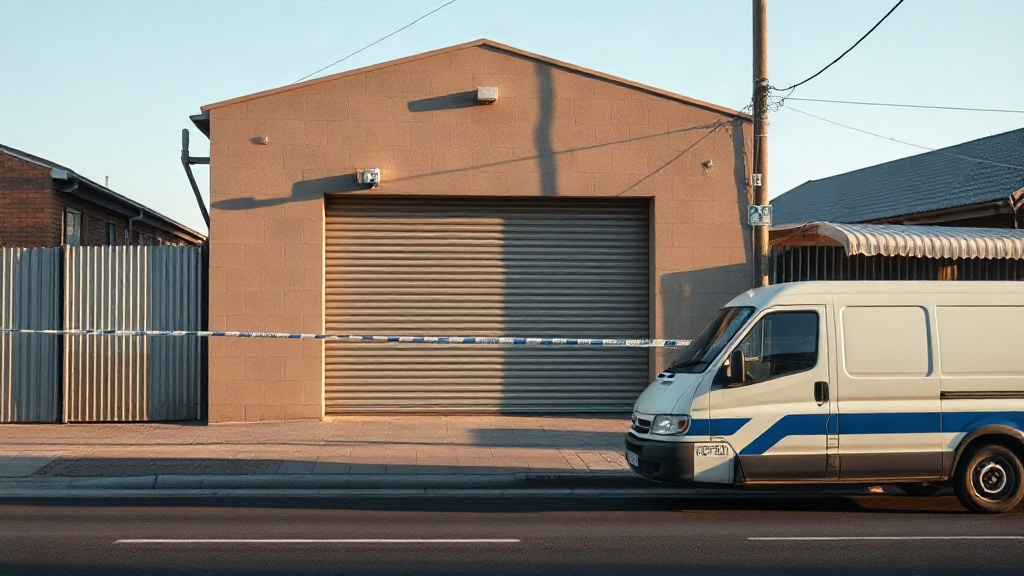
Protesters picket Durban refugee centre as Home Affairs faces fresh asylum pressure
Police and demonstrators clashed outside the Refugee Reception Centre in Durban on Wednesday, where a group demanded an end to all asylum processing.
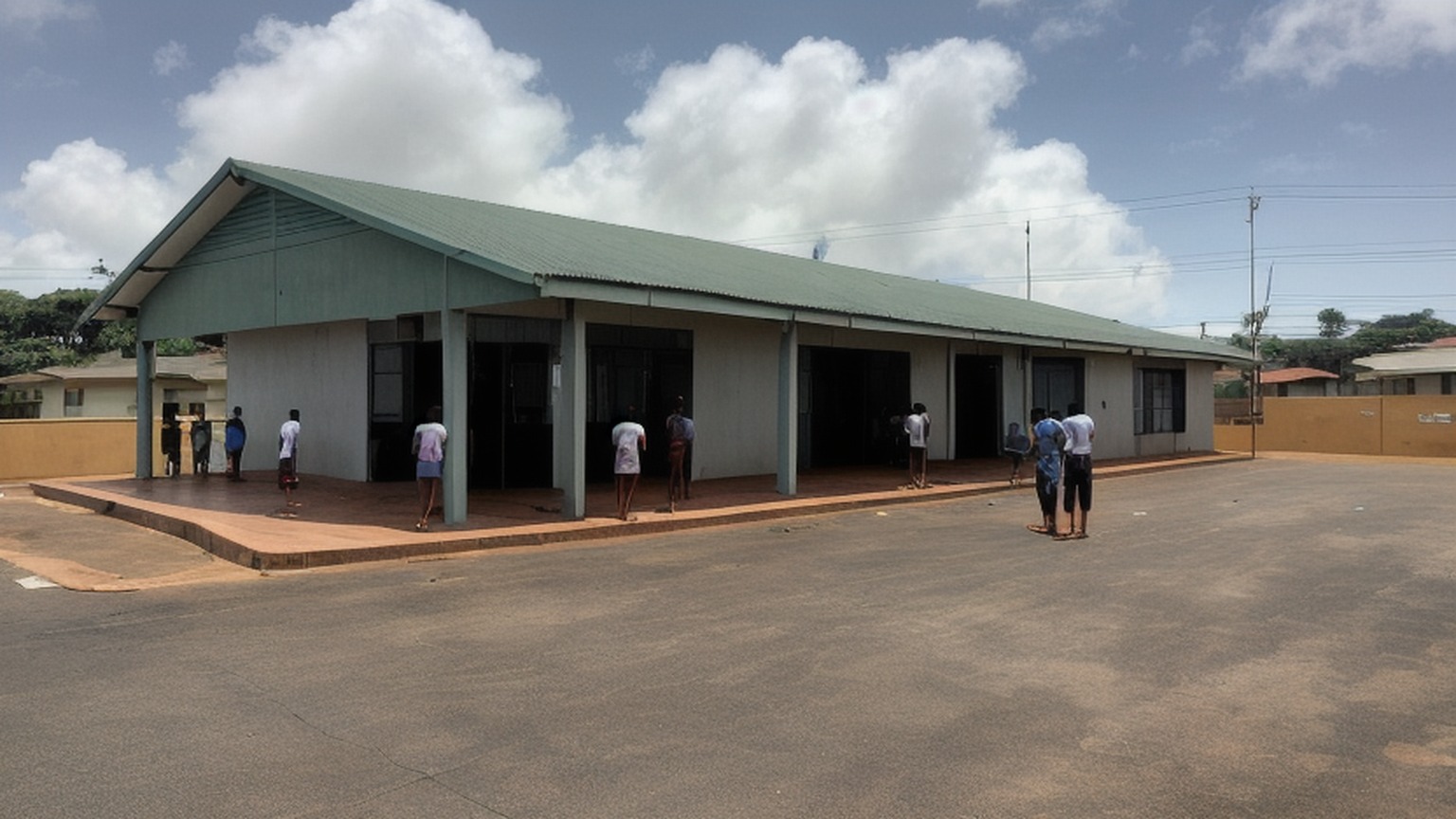
Police and protesters clashed outside the Department of Home Affairs Refugee Reception Centre in Durban on Wednesday, where a group of demonstrators demanded that the facility stop processing asylum applications altogether.
As SABC News reported that day, tensions were high at the centre and the group was described as disgruntled South Africans. A police presence was on the scene as the confrontation played out.
The Refugee Reception Centre is one of the department’s frontline offices for people who arrive in South Africa and declare an intention to seek asylum. It is where applicants are received, their details recorded and their claims registered before being referred into the asylum process. It is an administrative gateway, not a court, and the decision on whether a person qualifies for refugee status is made further along in the system.
That distinction matters to how the standoff should be read. A demand that a reception centre stop accepting applications is a demand that the state stop performing a function it is required to perform. South Africa’s asylum system exists because the country is a signatory to the 1951 United Nations Refugee Convention and its 1967 Protocol, and because the Refugees Act gives effect to those obligations in domestic law. No group, movement or individual may enforce immigration law or determine who may apply for asylum. That authority belongs to the state alone, exercised through Home Affairs, the police and the courts. A crowd outside a government office has no standing to shut its doors, and any blockade or intimidation that prevents a lawful applicant from lodging a claim is unlawful.
The protest did not emerge from nothing. The pressures on the asylum system are well documented and they are felt on both sides of the counter. Home Affairs has for years run a system in which a small number of reception centres handles a large volume of claims, with long queues, repeated appointments and outcomes that can take years. For South Africans in the surrounding area, the visible presence of a busy refugee office can become a focal point for frustration about jobs, housing and service delivery that has little to do with the people in the queue. For applicants, the same office is the only lawful route to remaining in the country and working or studying while a claim is decided.
That is the tension the Durban protest exposed. The demand was directed at the facility and at the people using it, but the underlying pressures, weak administrative capacity, slow decisions and the difficulty of removing people whose claims have failed, are the state’s to manage. They are not solved by closing a reception centre, and closing it would simply push claims into an unregulated space.
The South African Police Service responded to the confrontation at the centre. Where police hold a line between a government facility and a crowd, and where they act to keep access open and prevent injury, that is the job being done. The record of Wednesday’s events, as reported, is of a clash rather than a closure of the facility, and no report in the SABC account indicates that asylum processing was halted.
What happens next will be decided inside the department and the police service, not on the pavement outside the centre. Home Affairs has not, in the source material available, said whether it intends to change operations at the Durban facility or how it will handle further protests at its offices. Readers should watch for any formal statement from the department on the centre’s operating status and for any charges laid arising from the confrontation.
The broader question is the one that has sat unanswered for years. South Africa’s asylum system needs a functioning registration process, decisions made within a reasonable time and a lawful mechanism for dealing with people whose claims fail. Until those three things work, the queue outside the Durban centre will keep being a place where a national administrative problem is mistaken for a neighbourhood one.
Source: SABC News, Police, protesters clash outside Durban Home Affairs Refugee Centre
- Malema tells Kokstad rally Mtolo's grip on the municipality ends on 4 November 2026-10-05
- Jacinta Ngobese-Zuma lays charges over rape and murder threats as ANC calls for probe 2026-10-07
- Durban asylum centre protest: what SABC reported, and what it left out 2026-10-07
- Zuma admitted to KZN hospital after Msinga event 2026-10-07
- Court ruling reopens asylum doors as Durban centre blocked 2026-10-08
- Durban refugee centre shut after violent protest halts asylum processing 2026-10-08
- Ten cars torched in Soweto and 11 in Durban as unrest flares, police move foreign nationals to safety 2026-10-08
- Sixteen vehicles burnt in Durban and Soweto as migration anger spills onto the streets 2026-10-08
- Court ruling on asylum does not create new rights, minister says as Durban centre blockaded 2026-10-08
- Cars torched in Durban as March and March protests spread to five cities 2026-10-09