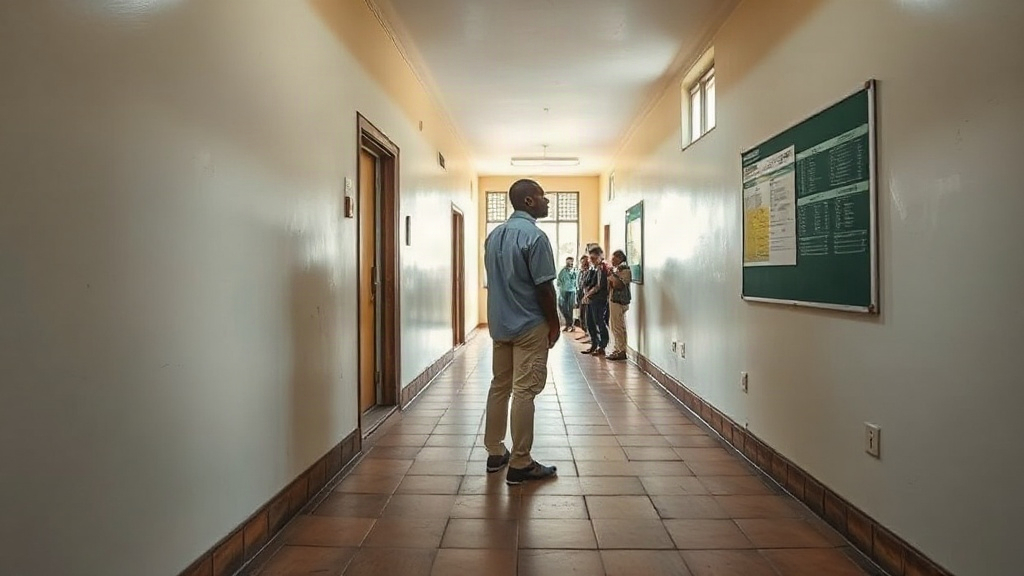
Mamelodi patients split pills in half as clinic shelves run dry
Two clinics in the Pretoria township are sending chronic patients home without full supplies, and some are paying about R450 a month at private pharmacies to stay well.
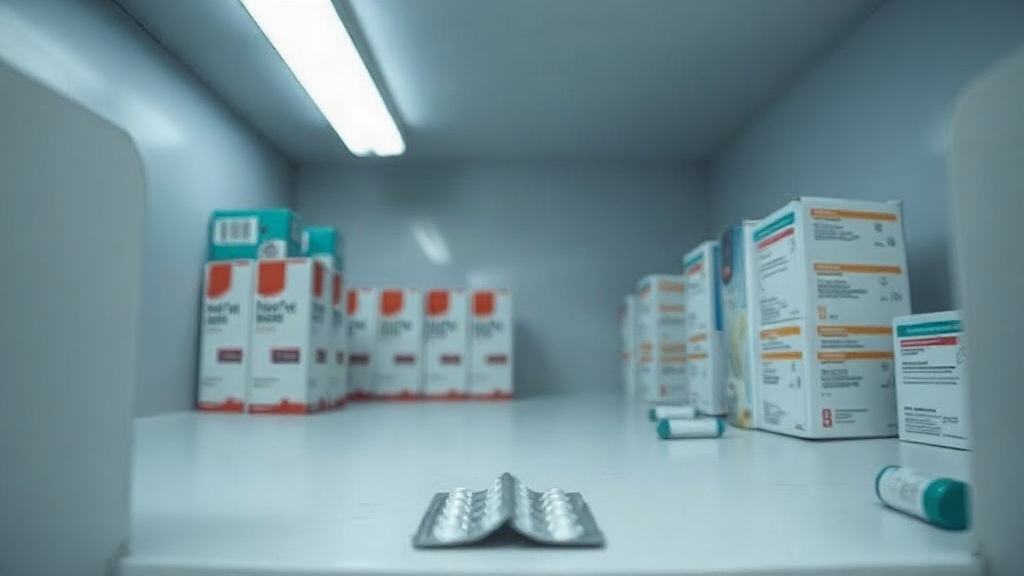
Patients at two clinics in Mamelodi, Pretoria, are splitting pills in half, buying medicine in bulk and paying out of their own pockets because the chronic medication they depend on is not always on the shelf when they arrive.
As TimesLIVE reported on 21 October, the shortages at Mamelodi East Clinic and Stanza Bopape Community Centre have pushed patients with high blood pressure and asthma into managing their own treatment. The Enquirer is reporting the same events independently, with the department’s response in full.
Easther Chauke lives with her 62-year-old mother and her 52-year-old aunt, both of whom have high blood pressure and both of whom are treated at Mamelodi East Clinic. She said nurses told the two women to split their tablets in half, taking one half in the morning and keeping the other half for the next day, because there were not enough pills to go around. Her mother takes one half at 9am and the other half the following morning.
The arrangement has not visibly harmed them so far, Chauke said, but she worries about it. A tablet broken by hand is not a measured dose, and her mother needs help managing her medicine when her sister is not there.
“My mother started attending the clinic when she was diagnosed with BP, and this has never happened before. Now it has gotten worse,” she said. “How does the government expect people to treat themselves? It is putting their lives in danger.”
She also described staff shortages at the clinic, saying patients are not always helped on the day they come and are sometimes sent home and told to return the next day.
“This clinic is depressing. People don’t get help fast. They are always turned back home,” she said.
A second patient at the clinic, who asked not to be named, collects asthma medication there. She said she has come to expect that the clinic will not have it, and that she buys from a local pharmacy for about R450 when the shelves are empty. She now buys in bulk so that she is not caught short.
“I have come to terms with the fact that whenever I come here, I won’t get my medication. It is a normal thing now,” she said. “There is a suggestion box at the clinic where we voice our cries in the hope of getting positive feedback, but it doesn’t change.”
At Stanza Bopape Community Centre, Lerato Marumo described arriving at a clinic during an asthma attack and finding that her medication was not available. She was hospitalised after that episode, and nurses had to transport her to another clinic for treatment. Marumo was born with asthma and manages it with an inhaler and tablets.
Since then she buys extra pills in advance and does not rely on the clinic alone.
“Coming to the clinic has become life-threatening because you never know whether you will get the help that you need,” she said. “I never run out of medication because I know that I almost lost my life.”
The Gauteng department of health acknowledged in a statement that some public health facilities across the province are experiencing medicine supply challenges. Department spokesperson Steve Mabona attributed the shortages to several factors, including changes in medicine contracts, supplier delays, procurement lead times, limited supplier participation and broader pressures on the pharmaceutical supply chain.
Mabona said the department uses the Stock Visibility System to monitor medicine levels, identify potential shortages and escalate supply concerns, alongside the national department of health’s own availability monitoring systems.
He said the temporary unavailability of a particular brand, pack size or a supplier’s product does not necessarily mean that treatment is completely unavailable. Under the department’s Medicine Availability and Escalation Protocol, he said, facilities may dispense alternative pack sizes, alternative strengths and clinically appropriate alternatives in line with approved standard treatment guidelines.
The national department said it works with manufacturers, suppliers and provincial health departments to address shortages, including checking whether other registered manufacturers can supply medicines when contracted suppliers cannot meet demand.
“We remain committed to ensuring continuity of care and would continue working with the national department, suppliers, districts and health facilities to minimise interruptions to treatment,” the department said.
What the department’s account does not do is explain why patients at these two Mamelodi clinics describe being told to halve their tablets, or why an asthma patient would arrive at a clinic mid-attack and leave without an inhaler. A protocol that permits alternatives is not the same thing as an alternative being on the shelf, and the gap between the two is what the patients in this story are living in.
For a chronic patient on a fixed income, the difference is measured in rands. R450 a month at a private pharmacy is a large share of a pension or a grant payment, and it is money that a household either finds or does not. Patients who cannot find it go without, or they stretch what they have.
The clinics named are public facilities in Mamelodi, a township east of Pretoria with a population in the hundreds of thousands, where residents rely on the public health system for day-to-day care. Chronic conditions such as hypertension and asthma require uninterrupted treatment. When the supply breaks, the consequences do not stay at the clinic gate.
- Durban asylum centre protest: what SABC reported, and what it left out 2026-10-07
- Protesters picket Durban refugee centre as Home Affairs faces fresh asylum pressure 2026-10-07
- Zuma admitted to KZN hospital after Msinga event 2026-10-07
- Court ruling reopens asylum doors as Durban centre blocked 2026-10-08
- Durban refugee centre shut after violent protest halts asylum processing 2026-10-08
- Ten cars torched in Soweto and 11 in Durban as unrest flares, police move foreign nationals to safety 2026-10-08
- Sixteen vehicles burnt in Durban and Soweto as migration anger spills onto the streets 2026-10-08
- Court ruling on asylum does not create new rights, minister says as Durban centre blockaded 2026-10-08
- Cars torched in Durban as March and March protests spread to five cities 2026-10-09
- Home Affairs drops asylum directive after 24 vehicles torched in Soweto and Durban 2026-10-09