Mapisa-Nqakula returns to Pretoria High Court as corruption trial resumes
The former defence minister's case continues in the Gauteng High Court, with the state expected to set out its evidence.
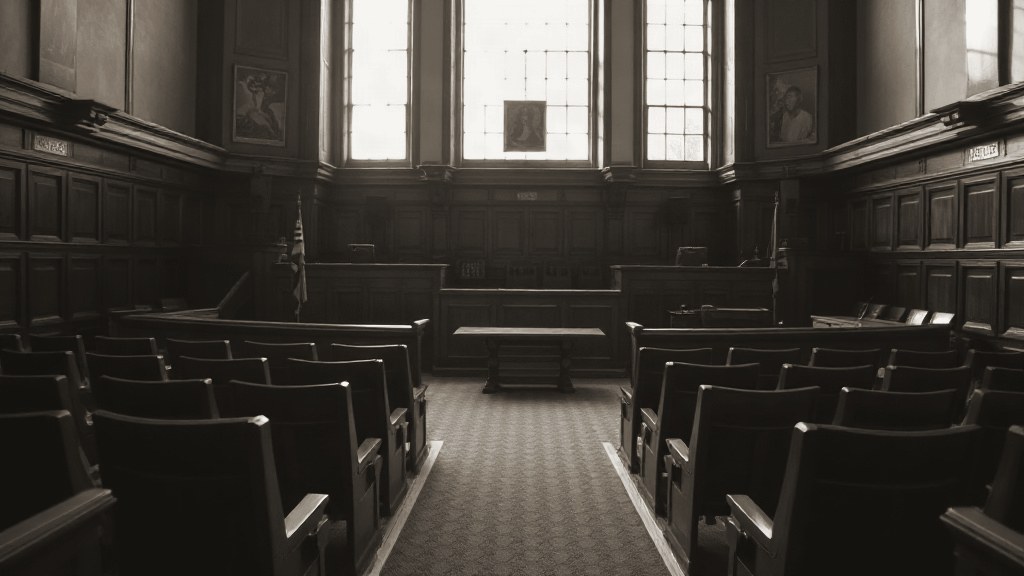
Former defence minister Nosiviwe Mapisa-Nqakula is back in the Gauteng High Court sitting in Pretoria, where her corruption trial resumed on Wednesday morning.
The court sitting in Pretoria is hearing the matter, which has drawn sustained public interest because of the office Mapisa-Nqakula held before the charges were brought. She served as minister of defence and military veterans, one of the most senior posts in the national executive.
SABC News reported that the trial continues before the high court on Wednesday. The broadcaster has been carrying live coverage of the proceedings.
What the court is dealing with
The case is one of a number of corruption matters involving senior figures that have moved through the country’s courts in recent years. South Africa’s Chapter 9 institutions and the National Prosecuting Authority have faced repeated questions about how quickly such matters are brought to trial and how long they take once they start.
A trial of this kind turns on evidence placed before a judge, tested in open court. That is the process the Constitution provides, and it is the same process available to any accused person in the country, whatever office they once held.
Court proceedings of this nature are not a verdict. They are the state setting out its case, and the defence answering it, before a judicial officer decides.
Why this matters beyond the courtroom
Public confidence in the courts rests on cases being heard in the open, on the record, and without interference. Where a matter involves a former member of the national executive, the public interest in that openness is higher, not lower.
The Gauteng High Court sitting in Pretoria is one of the busiest divisions in the country, and its roll carries matters that affect ordinary South Africans directly, from criminal prosecutions to civil disputes over housing, employment and debt. A trial of this profile takes up court time, and it also demonstrates that the same rules apply to everyone who appears before it.
For readers following the case, the practical point is straightforward. What happens in court is what counts. Statements outside court, including from supporters or critics of any party, do not form part of the evidence and cannot decide the outcome.
The trial continues. The court’s ruling, when it comes, will be on the record and open to public scrutiny, which is how the system is meant to work.
- Sharpeville survivors ask High Court to strike down 1961 Indemnity Act 2026-09-13
- Police open two Pretoria West murder dockets as search for suspects continues 2026-09-16
- Madlanga Commission hears World Bank expert on vetting of public officials 2026-09-16
- Special vote applications open 21 September for the 4 November local elections 2026-09-16
- IEC opens public comment on municipal election rule changes ahead of 4 November 2026-09-16
- Hawks arrest Limpopo fleet tender suspect over R45 million 2026-09-16
- IEC clears 136 790 candidates for the 4 November local government elections 2026-09-16
- Petrol heads for R29,54 a litre in October as Mantashe rules out relief 2026-09-17
- Didiza says 24 bills are waiting as laws take 34 months to pass 2026-09-17
- Hensoldt South Africa unveils spectrum management system at AAD 2026 2026-09-18