The US resettled 10,258 refugees this year. All but three were white South Africans
The Guardian's account of the numbers is accurate, but it leaves out the part South Africans live with: who is left behind, and who pays for the exit.
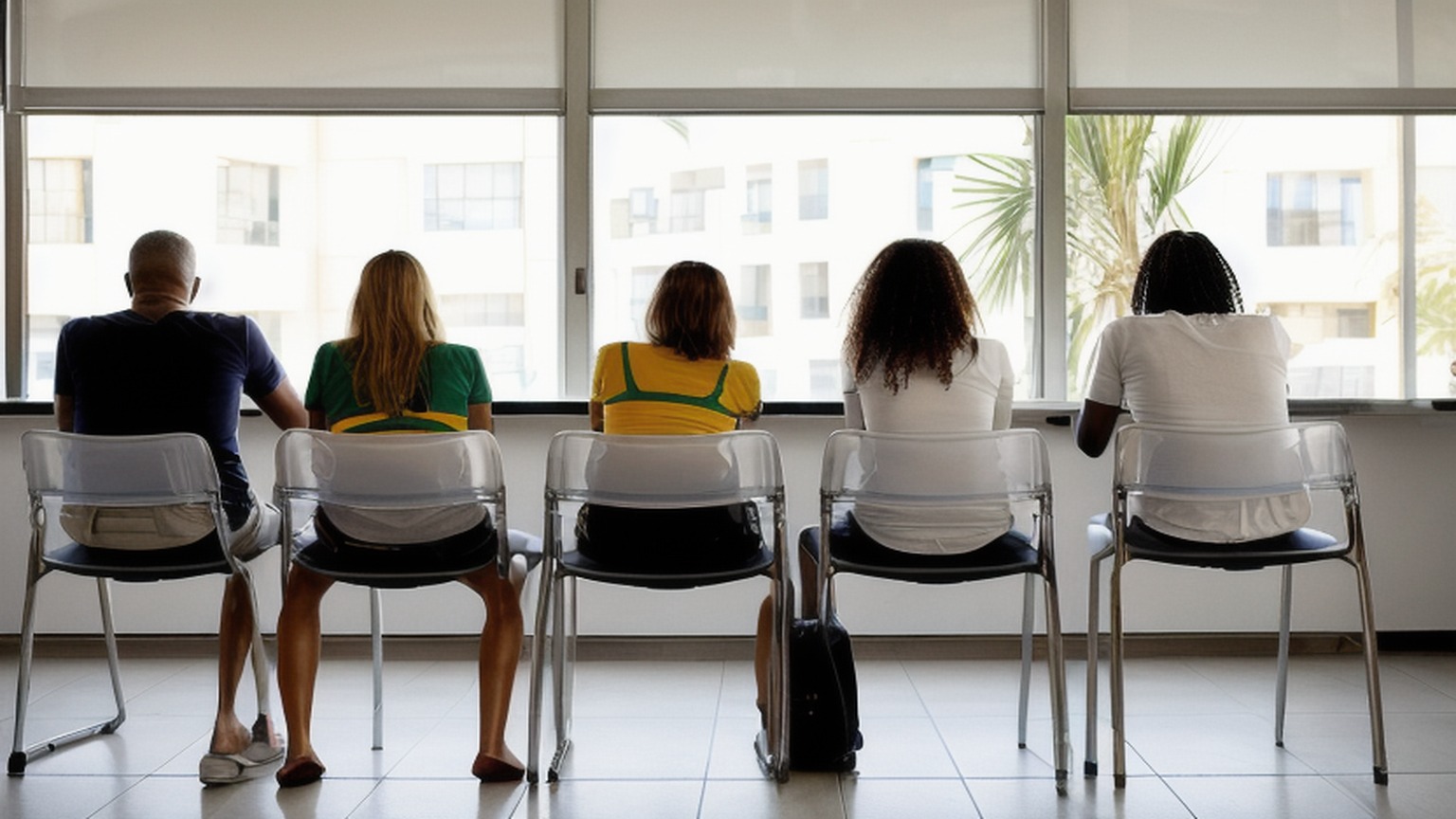
The United States admitted 10,258 people through refugee resettlement in the 2025-26 fiscal year. According to The Guardian, which reported the figures on 2 September, all but three of them were white South Africans.
That is the fact at the centre of the story, and it is accurate. The Guardian’s account, written by Heba Gowayed, also reports that the Trump administration is doubling the initial support resettled refugees receive, to $4,500 a person (about R83,000 at current exchange rates), while moving to cancel Temporary Protected Status for roughly 350,000 Haitians.
For South African readers, the numbers raise a question the Guardian’s framing does not answer. Ten thousand people is not a large number in a country of more than 60 million. But it is large enough to matter to the families who leave, the employers who lose them, and the queues at Home Affairs that they join on the way out.
The resettlement route is not open to everyone. It requires a refugee determination, a sponsor, a medical clearance and an interview, usually processed through the United Nations High Commissioner for Refugees or a designated resettlement agency. White South Africans who apply through the US programme are doing so as individuals, not as a national bloc, and the programme’s selection criteria are set in Washington, not in Pretoria.
What the Guardian does not report is what happens on this side. Home Affairs has not published a breakdown of how many South Africans hold refugee status abroad, and it does not track departures by race. The department has said in previous public statements that it does not comment on the immigration policies of other countries. The Enquirer has asked Home Affairs for its current position and for any figures it holds on South Africans who have left under resettlement programmes. No response had been received at the time of publication.
The Department of International Relations and Cooperation has also not issued a public statement on the Guardian’s report. South Africa’s diplomatic position on the US refugee programme has been consistent since the programme’s expansion: the government has said it does not interfere in the domestic immigration decisions of other states, while noting that South Africans who choose to emigrate do so as individuals.
What the record does show is that the resettlement programme is not a new story in South Africa. The US has resettled South Africans before, though the numbers have historically been small. What changed in 2025-26 was the scale and the composition. The Guardian reports that the programme’s admissions were almost entirely white South Africans, a shift that coincided with the Trump administration’s broader immigration enforcement push.
The Guardian’s piece is an opinion column, and it argues a case about race and US policy. That argument is the writer’s. What a South African reader should take from it is simpler: the numbers are real, the programme is real, and the people who leave are real. Whether the programme is fair is a question for American voters. What South Africa does about its own emigration, its own skills loss and its own refugee obligations is a question for us.
The next dated step is the US fiscal year 2026-27 admissions ceiling, which the administration is due to set before the new fiscal year begins on 1 October. That figure will determine whether the pattern continues.
Source: The Guardian, Trump admin spends billions to deport Black and brown people while doubling dollars for white ‘refugees’