St Albans prison water fears go unanswered as Bay passes the pipe to Public Works
Nelson Mandela Bay says its own monitoring shows nothing wrong, but the taps inside the Eastern Cape prison sit at the end of a private pipeline and tanks that the Department of Public Works runs.
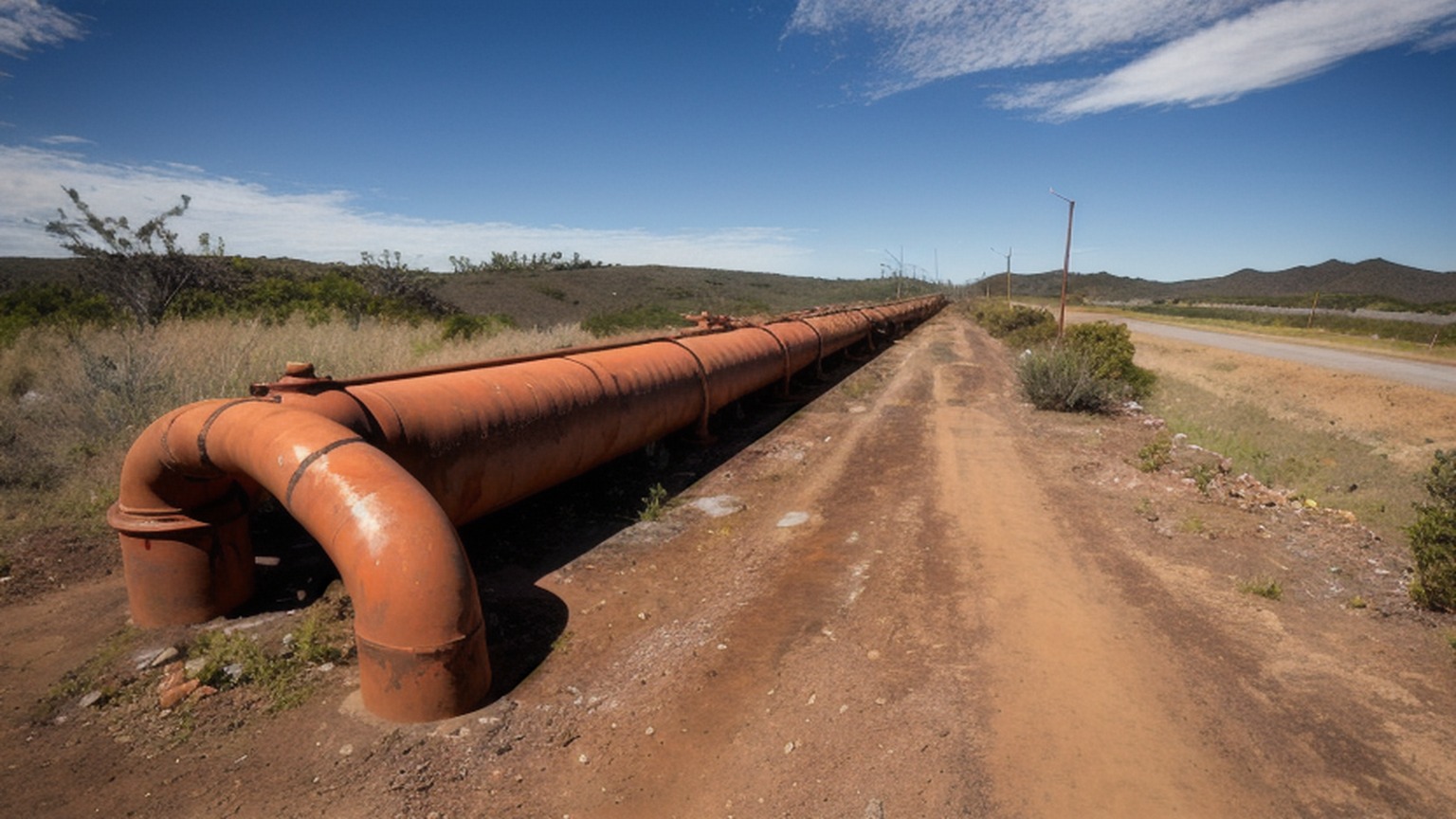
Nelson Mandela Bay has asked for more water quality testing at St Albans Correctional Facility, after concerns were raised about whether the drinking water inside the Eastern Cape prison is safe.
The municipality’s routine monitoring records show no incidents of compromised water quality reported at St Albans. It warned, however, that this is not conclusive proof of the water quality at every point of consumption within the facility, and said the concerns deserve proper consideration against those records and any further test results.
The reason lies in the plumbing. St Albans is supplied from the municipal system, but the water reaches the facility through a private pipeline operated and maintained by the Department of Public Works, and is then stored in tanks at the facility, also maintained by Public Works.
That split matters, the municipality said, because water quality can be affected by conditions inside private pipelines, storage infrastructure and plumbing after water leaves the municipal distribution network. It has to distinguish between the quality of water it supplies and the quality of water where a prisoner actually drinks it.
So the call is directed at Public Works. As the party responsible for the private pipeline and storage tanks serving the facility, the department should arrange for samples to be collected from the tanks and from points of consumption and tested by a suitably qualified and accredited laboratory, the municipality said. It has offered information from its own monitoring programme to support the assessment of the municipal supply.
The findings will matter. They would help determine whether a water quality concern exists, where it may originate and what corrective action may be needed. Should results identify a potential health risk, the municipality said the relevant authorities must move promptly on corrective measures and tell those affected what precautions to take, in line with applicable requirements.
Nelson Mandela Bay restated its commitment to drinking water that meets the South African National Standard for Drinking Water, SANS 241, and to responding responsibly to residents, institutions and other water consumers. It said it will not dismiss concerns simply because they are absent from routine records, and equally that conclusions about the safety or cause of a suspected problem must rest on reliable evidence and appropriate testing.
Executive Mayor Babalwa Lobishe called for the relevant authorities to cooperate so that the concerns are investigated and any interventions are informed by reliable evidence.
“Protecting public health is a shared responsibility, and the priority must remain the safety and wellbeing of everyone who depends on this water supply,” Lobishe said.
The account is carried from a SAnews (South African Government News Agency) report of the municipality’s position rather than the underlying correspondence, and it does not say when testing might begin or who raised the original concerns.
The source report is at https://www.sanews.gov.za/south-africa/mandela-bay-urges-further-water-quality-testing-st-albans.