Soweto and Durban traders shut out as anti-immigration protests bring 30 arrests
NATJOINTS says heightened police deployments will stay in Durban and Johannesburg hotspots after a week of protest in which shops closed, streets emptied and 30 people were arrested.
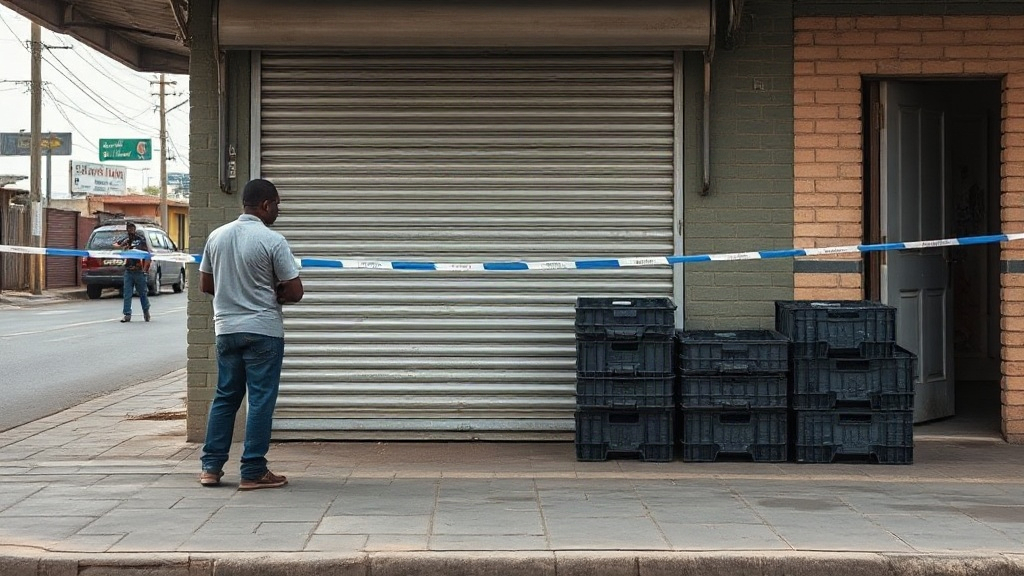
Traders in the Durban CBD and in Soweto lost days of business this week when anti-undocumented immigration protests shut streets and closed shops, and the police say 30 people have been arrested, 25 in KwaZulu-Natal and 5 in Gauteng.
The arrests were for offences including public violence, illegal gathering, obstruction and resisting arrest, according to the National Joint Operational and Intelligence Structure, the body that coordinates the police, the metro forces and the intelligence services during unrest. NATJOINTS says heightened deployments will remain in place at hotspots in Durban and Johannesburg.
What that means on the ground is a city centre in Durban and parts of Soweto where the working day stopped. Traders who set up every morning and shopkeepers who open every morning were the ones who paid for it. Streets where people queue for taxis, buy from pavement stalls and move between jobs were closed or emptied. A crowd in the street is one thing. A closed trading day is another, and it lands on the people who can least afford to lose it.
The protests were against undocumented immigration. The people who marched are South Africans who say the pressure on their streets, their trading spaces and their services has become too much to carry, and that the state has not answered them. That is the demand that produced the crowds, and it is the demand the state still has to answer. It is not a demand this paper treats as a mystery. It is the same argument South Africans have been making in queues, in community meetings and in the comments under every Home Affairs story for years.
As SABC News reported on 10 October, NATJOINTS said criminality would not be tolerated and that deployments would stay in place at the hotspots. That is the policing answer. The enforcement question is different and it is the one residents keep asking. What changed for the person in the street? Who is being removed? Why do the Home Affairs queues look the way they do? What is being done about the load on clinics, schools, housing and informal trading that people raise every time this subject comes up? A deployment is a response to a crowd. It is not yet an answer to a queue.
Thirty arrests is a fact. It is not the story. The story is that a section of South African public opinion has moved from complaining to marching, and that the state’s current answer is more police in the street rather than a visible change in immigration enforcement. Both of those things are now on the record.
The numbers themselves are worth reading carefully. Twenty-five of the 30 arrests were in KwaZulu-Natal, which is where the Durban CBD protests took place, and five were in Gauteng, covering Soweto and Johannesburg. The counts are the police’s own and they cover the offences listed, not convictions. Nobody has been found guilty of anything yet. What the arrests establish is that the state has decided to treat what happened as a policing matter, and it has said so through NATJOINTS rather than through a single minister.
That matters because NATJOINTS is not a political office. It is the operational structure that sits above the South African Police Service, the metro police and the intelligence community, and it is activated when the state judges that ordinary policing is not enough. When NATJOINTS briefs the country, it is telling South Africans that the deployment is being run centrally and that it will continue. The instruction to keep deployments at hotspots in Durban and Johannesburg is therefore the clearest signal of what the state expects next, which is more of the same pressure points rather than a wind-down.
For a trader in the Durban CBD, the practical effect is simple. The protest is over for now, the deployment is not, and the next trading day depends on whether the street stays open. For a resident of Soweto, the same arithmetic applies to taxis, to the walk to work and to whether the shops at the corner are trading. Those are the costs that do not appear in an arrest count, and they are the costs the people who marched say they are already carrying every day.
The Enquirer will keep reporting on the enforcement question that sits underneath this week’s protests, which is what the state is actually doing about undocumented immigration and what South Africans are being told to expect. We will report the outcome of the cases against those arrested when the courts deal with them, and we will keep asking what changed for the people whose streets were shut this week.