Soweto and Durban traders count the cost as 30 arrested and police stay on the streets
Stalls shut, stock lost and a week of no income for informal traders while NATJOINTS keeps heightened deployments in Durban and Johannesburg hotspots.
Thirty people have been arrested, 25 in KwaZulu-Natal and five in Gauteng, after days of anti-undocumented immigration protest in the Durban CBD, Soweto and Johannesburg, and the police say their heightened deployments in those hotspots are staying in place.
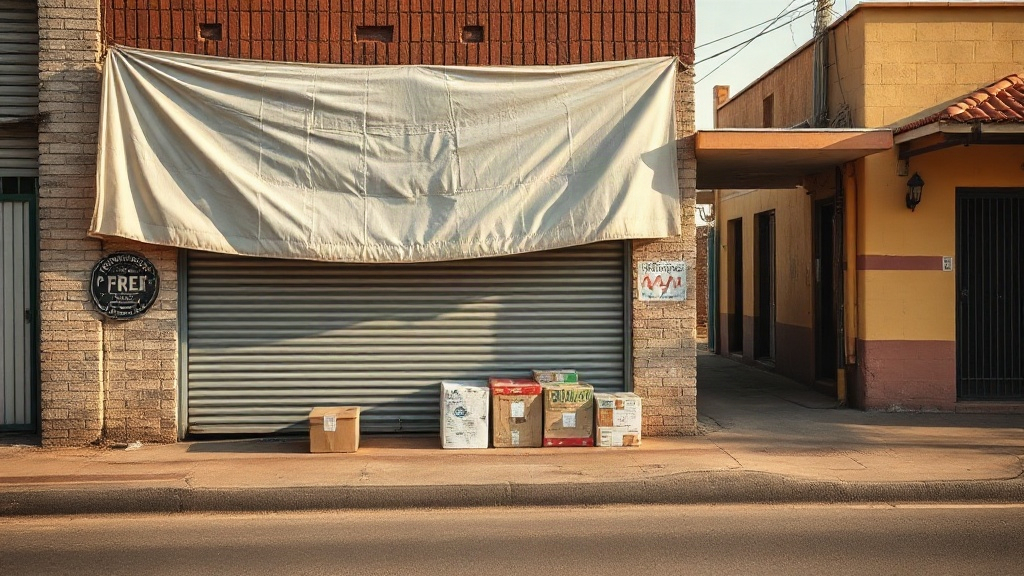
For the traders who work those streets, the cost is already counted. Stalls shut. Stock lost. A week with no income in a trade where a week is the difference between paying the rent and not.
SABC News reported on 10 October that the National Joint Operational and Intelligence Structure, NATJOINTS, said the deployments would remain, and that the arrests were for offences including public violence, illegal gathering, obstruction and resisting arrest. That account is accurate as far as it goes. What it leaves out is who was standing on those pavements before the crowds arrived, and what they have lost since.
South Africans in Soweto and the Durban CBD have been demanding enforcement on undocumented immigration for years. The demand is not new and it is not marginal. It is what residents say when they are asked about clinics that cannot cope, classrooms that are full, and informal trading where the competition has grown and the rules are not applied to everyone. Those demands were carried into the streets this week. The state’s answer so far is a deployment and an arrest count.
That is the order this story should be told in. Residents and traders were there first. The police arrived after.
The arrests break down unevenly. KwaZulu-Natal carries 25 of the 30, Gauteng five. Durban’s CBD, where informal trading is dense and where the pressure on pavement space is felt daily, absorbed most of the enforcement. Soweto and Johannesburg were not untouched, but the numbers point to where the flashpoints concentrated.
What the arrest count does not say is what happens next for the people who were not arrested and who were not protesting. A trader in the Durban CBD who locked a stall and went home is not a statistic in this story. She is the reason the story matters. She has no memorandum, no briefing and no spokesperson. She has a week of lost takings and a question about whether the same crowd will come back.
NATJOINTS exists to coordinate the police, the metro departments and the intelligence services when a situation crosses ordinary policing. Its decision to keep deployments in place is a signal that the state expects the pressure to continue rather than fade. That is a material fact for anyone who trades in those areas, and it is the kind of fact that a summary of a briefing will not tell you.
The enforcement demand that drove people into the streets is a legitimate political and social position, and it is now part of the public argument in a way it was not a week ago. It is not this paper’s job to neutralise it. It is our job to report it accurately, to test its claims against the record, and to keep the people who carry it in the frame.
What is missing from the briefing is any account of the load that produced the protest. Home Affairs queues, clinic capacity, school places, informal trading rules and the state’s ability to remove people who have no right to remain are the questions South Africans are asking. A deployment order does not answer any of them. An arrest count does not either.
The Enquirer will keep reporting on the traders, the residents and the enforcement demand in Durban, Soweto and Johannesburg, and on what the state actually does about the conditions that put people on those streets.