SASSA tells grant beneficiaries: tell us when your life changes
The agency says reviews and eLife certification are anti-fraud controls, not a purge, after MPs raised payments to people who did not qualify.
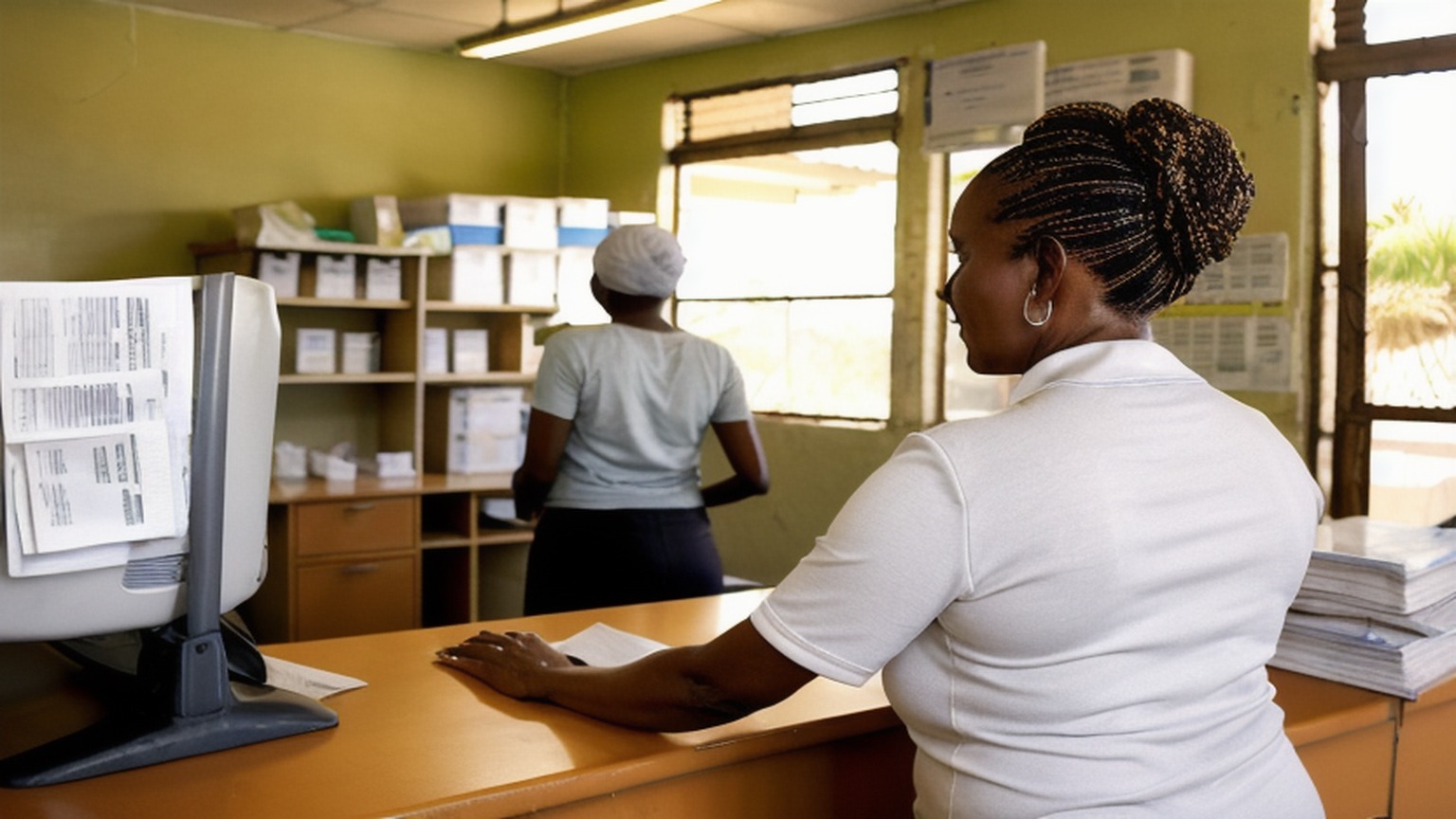
SASSA has defended its grant reviews, eLife certification and biometric enrolment, saying the measures exist to stop fraud and to make sure social assistance reaches people who still qualify for it.
The agency’s statement follows questions raised before the Portfolio Committee on Social Development on Wednesday, October 7, about payments made during the 2025/2026 financial year to people who were allegedly ineligible. As IOL reported on October 9, SASSA said criticism that the reviews were meant to push legitimate beneficiaries off the system was incorrect.
The South African Social Security Agency administers the country’s social grants, including the older persons grant, disability grant, child support grant and the social relief of distress grant. For millions of households these payments are the main or only income, which is why any change to how eligibility is checked is felt far beyond the paperwork.
SASSA said social assistance is a constitutional obligation and a critical safety net for vulnerable South Africans, but it also has to be protected against fraud, abuse, errors and misrepresentation. Beneficiaries, it said, are responsible for telling the agency about changes in their circumstances that could affect whether they still qualify. Those include changes in income, employment, marital status, banking details and where they live.
“A social grant is not an unconditional entitlement that continues irrespective of changes in a beneficiary’s circumstances,” the agency said.
Grant reviews, SASSA said, are an administrative control to establish whether a beneficiary still meets the requirements for assistance. The agency said it could not keep relying on historical information indefinitely, because identities, personal circumstances and payment arrangements can change.
eLife certification, which SASSA said it has intensified, is used to establish whether a beneficiary is still alive and is the legitimate recipient of the grant. It is aimed at preventing payments after a beneficiary has died, where their continued existence is uncertain, or where someone else may be unlawfully accessing the grant. Biometric enrolment is being used to strengthen identity verification and reduce impersonation and fraudulent transactions.
SASSA maintained that neither process is designed to terminate grants arbitrarily. “Where beneficiaries are legitimately entitled to social assistance, they should not fear a process designed to verify that they remain eligible,” it said. “The integrity of the social grants system cannot be protected by avoiding reviews simply because reviews may be uncomfortable or inconvenient.”
The practical effect for a beneficiary is that a grant can be suspended while a review or certification is outstanding, and that reinstatement usually depends on producing the documents the agency asks for. SASSA’s position is that the checks are what protect the system from being drained by payments that should not be made.
The agency has not said how many payments were made to ineligible beneficiaries, or what the value of those payments was. Those figures were not part of its response, and the committee’s questions about the 2025/2026 financial year remain the record on which the issue was raised.
Source: IOL, SASSA defends grant reviews after reports of payments to ineligible beneficiaries