SASSA review makes a mother re-prove three children qualify, school letters and fingerprints included
A grant recipient in the survey described by The South African had to supply bank statements, school letters and her children's fingerprints to keep payments running.
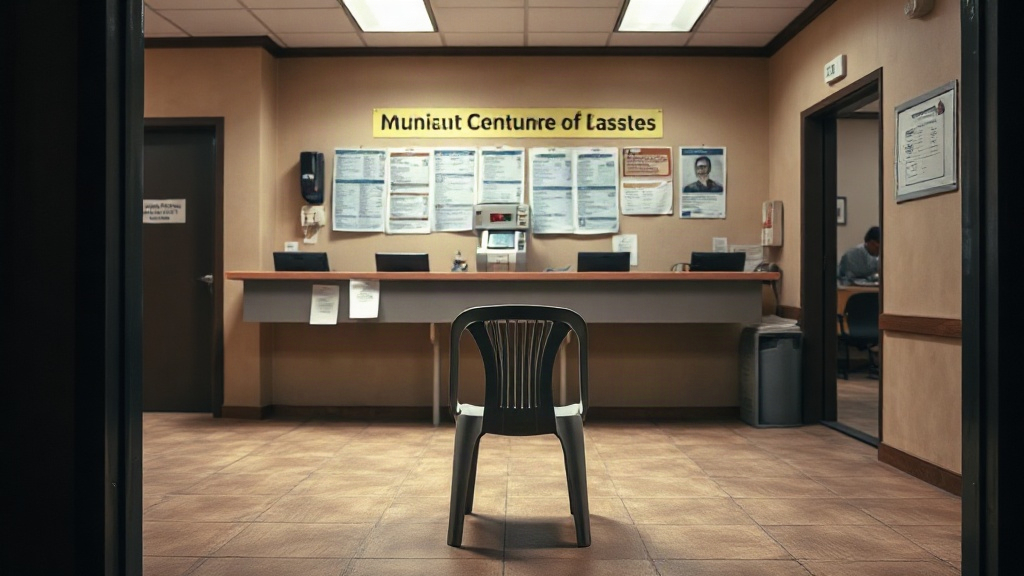
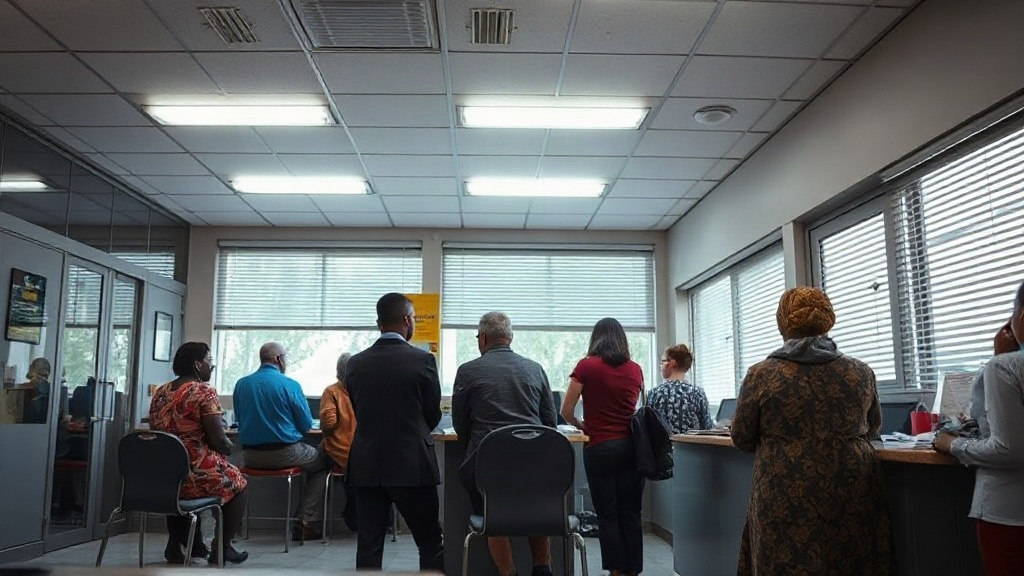
A mother of three had to bring bank statements, school enrolment letters for each of her children and the children themselves to be fingerprinted before her grants were confirmed. She said it felt like applying for the first time all over again.
As The South African reported on 15 September, the beneficiary, identified only as Nthabiseng, described the review as a repeat of the original application. “I had to bring in everything, all the paperwork that you need when you apply for grants for the first time,” she said in that report.
That account is a fair description of what the law actually requires. The Social Assistance Act 13 of 2004 and its regulations make the South African Social Security Agency responsible for confirming that a beneficiary still qualifies, and the agency can ask for proof of identity, proof of school enrolment, proof of income and proof that the child is alive. The same rules apply when a grant is first awarded.
The part that surprises most people is the bank statements. A child support grant is means tested, which means a caregiver’s income decides whether the child qualifies. To check that income, SASSA has to look at money coming in. Asking for statements is the mechanism, not an invention.
What the review asks for, and why
The child support grant is paid to a primary caregiver, not to the child. That is why SASSA asks about the caregiver’s finances. If the caregiver’s income rises above the threshold, the grant falls away. If it falls, the child can qualify again.
School enrolment letters serve a different purpose. A child between the ages of seven and 18 is expected to be in school, and the letter is how the agency confirms it. The fingerprint requirement is identity verification, and it is the same step used across Home Affairs and SASSA systems to stop duplicate and fraudulent claims.
None of this is new. What changes is how often the agency asks, and how much of the paperwork has to be produced at once.
According to Nthabiseng, the process also required proof that the children were alive and in need of financial help. That is a standard part of the review.
When a payment stops, and what happens to the money
Nthabiseng described a separate period when her grant was cut for two or three months without back pay. “I didn’t get paid for like two or three months, so I didn’t have money for three months, but I didn’t get that money back,” she said.
That is the part of the system that causes the most damage. A review that takes weeks to resolve leaves a household with no income in the meantime. If the review later confirms that the beneficiary qualified all along, the payments are supposed to be reinstated, and arrears are supposed to follow.
Where that does not happen, the beneficiary has a route. SASSA operates a toll-free line on 0800 60 10 11, and every district has a local office where a review decision can be queried. The agency’s own appeals process runs through the Independent Tribunal for Social Assistance Appeals, which is appointed under the Social Assistance Act and hears disputes about refused or lapsed grants. A beneficiary who believes a decision was wrong can lodge an appeal without a lawyer.
That route is not well known, and it is where the real cost sits. A caregiver who does not know about the tribunal simply waits, and the household absorbs the loss.
The scale behind one story
More than 12 million children receive the child support grant, according to SASSA’s own payment figures, and the grant is worth R530 a month from April 2025. For a household with three children, that is R1 590 a month, which is rent, transport and food for a family in most parts of the country.
The agency has been under pressure to tighten verification after the auditor-general repeatedly flagged irregular payments in the social assistance system. Reviews are the response to that pressure. The tension is real. Loose verification lets money go to people who do not qualify. Tight verification costs legitimate beneficiaries time, transport and, sometimes, months of income.
The Department of Social Development and SASSA have both said the review process is intended to protect the grant, not to remove people from it. Beneficiaries who are asked to re-submit documents are entitled to ask for the reason in writing, and to keep a receipt for every document handed over.
What a beneficiary can do
Keep copies. Every document handed to a SASSA office should be copied first, and the beneficiary should ask for a stamped receipt. If a payment stops, the query should be logged at the local office and a reference number obtained. If the office does not resolve it, the appeal goes to the Independent Tribunal for Social Assistance Appeals.
Nthabiseng said she remains committed to keeping her children’s grants active, and described the support as essential to her household. That is the position most caregivers in her situation take. The paperwork is the price of keeping the payment, and the system is designed on the assumption that people will pay it.
SASSA has not yet responded to a request for comment on the specific case described.
Source: The South African, ‘They wanted my bank statements’: What it took to keep her kids’ SASSA grants