NPA's DNA priority lane has processed nearly 68,000 GBV forensic reports since 2020
The National Prosecuting Authority says a partnership with the police forensic science laboratory has cut court delays in gender-based violence cases, but its own head of the sexual offences unit concedes capacity is stretched.
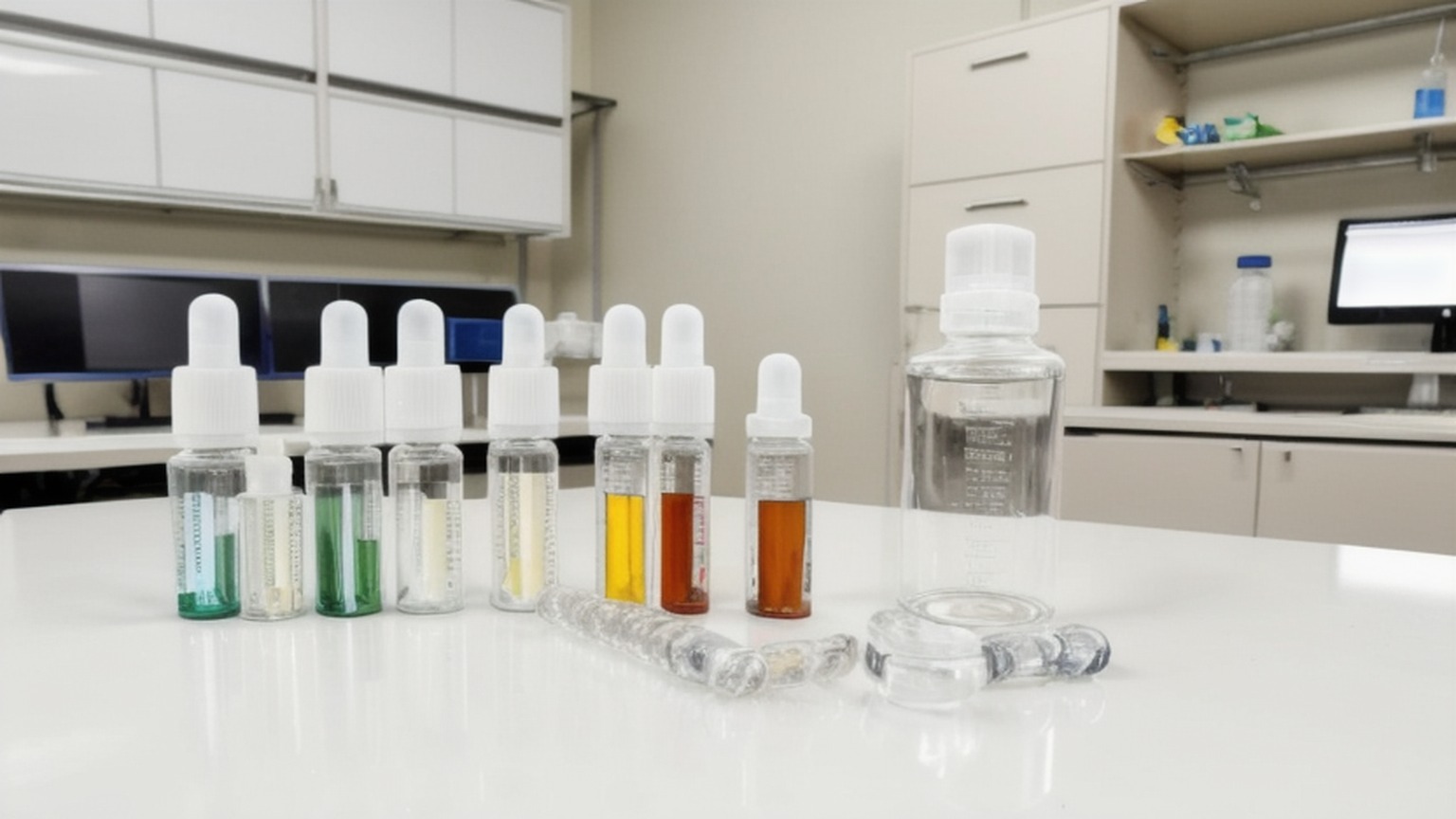
Nearly 68,000 DNA reports in gender-based violence cases have moved through a National Prosecuting Authority priority lane since October 2020, the head of the NPA’s Sexual Offences and Community Affairs Unit has said.
Advocate Bonnie Currie-Gamwo told SABC News the DNA prioritisation initiative, run with the police forensic science laboratory, was set up after a severe backlog in forensic testing. She said the arrangement had cut the delays that used to stall GBV matters in court while prosecutors waited for laboratory results.
A second lane handles cases in danger of being withdrawn or removed from the court roll, allowing evidence to be obtained at short notice.
Asked why sexual offence and gender-based violence cases frequently stall, Currie-Gamwo said the most common difficulty is that the accused is someone the complainant knows. That closeness, she said, is what most often derails a prosecution, because complainants later decide they do not want the matter to continue. Victims may be traumatised, or may be entangled with the person accused, and the investigation slows when they do not give full accounts to police. Detectives then have to trace other witnesses.
She said the NPA has built a victim-centred approach into how these matters are handled, so that complainants are supported enough to co-operate and the case can be fully investigated.
On dockets that arrive at court without enough evidence, Currie-Gamwo said the timing is the problem. Prosecutors often receive a file shortly after an arrest, before all the evidence has been gathered. A victim in trauma may not yet have given the detail police need to follow up. There may be enough to charge someone, but not enough to secure a conviction.
Police also have to check the accused’s version, including any alibi, she said.
Forensic evidence, Currie-Gamwo said, is critical in sexual offence prosecutions, and the 2020 backlog is what prompted the NPA to work with the police laboratory on a faster system.
On bail, she said the NPA has issued directives instructing prosecutors to take a zero-tolerance position in gender-based violence matters. Prosecutors cannot grant or refuse bail, which is a decision for the courts. Their role is to put before the court everything that should shape that decision, including the strength of the docket, the investigating officer’s input, the accused’s criminal history, any prior violence between the parties, and the level of risk to the complainant. Victims, she said, must be told what the court decided.
She also stressed that bail is not a punishment. It is a step in the criminal procedure process.
Pressed on whether the NPA has enough prosecutors and specialist support staff to clear the backlog within the deadline set by the President without lowering the quality of prosecutions, Currie-Gamwo said the NPA has two units handling gender-based violence, the National Prosecuting Service and the Sexual Offences and Community Affairs Unit. There are 2,667 prosecutors at district court level, senior public prosecutors managing them, and trained staff in all nine directors of public prosecutions.
Gender-based violence training is compulsory for NPA prosecutors, she said, and the organisation keeps upskilling them.
Asked directly whether that is enough, she said enough is never really enough, because the scale of the problem is enormous. The NPA, she said, is optimising the resources it has so that cases can be finalised in the sexual offences courts or elsewhere, and victims can get justice.
The Enquirer will continue to follow how the NPA’s forensic priority lane and its prosecution capacity perform against the President’s deadline, and what the courts record in the cases that come before them.
Source: SABC News, How measures in justice system are used to fight GBVF: SOCA Head