Landfill dumps only 10% of waste as department moves to force producers to fund recycling
Deputy Minister Bernice Swarts told a University of Limpopo summit the EPR regulations are under review, with a proposed 40% producer levy for waste infrastructure, and that licensing turnaround for beneficial waste use should fall to 90 days.
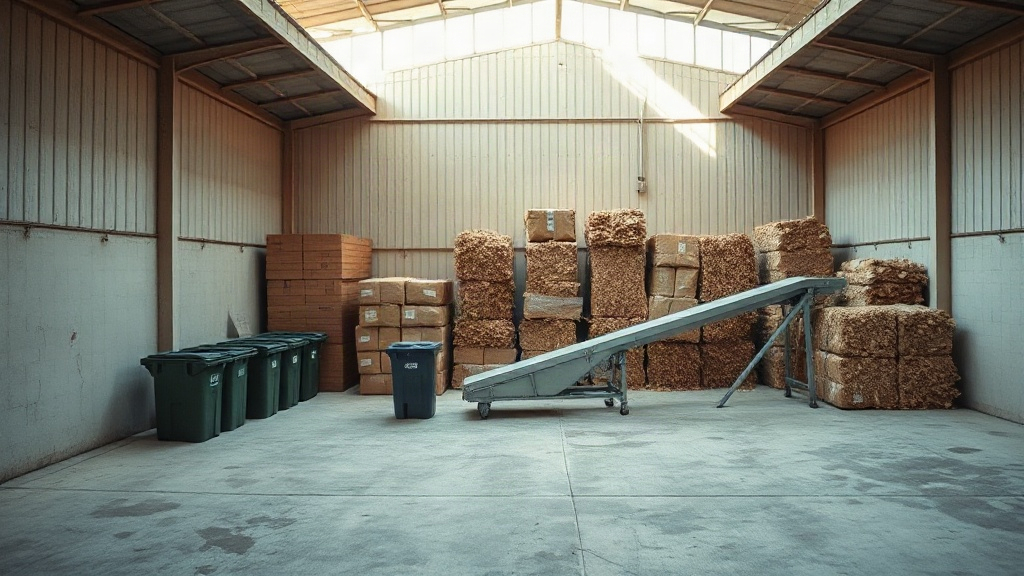
Only about 10% of South Africa’s waste is diverted from landfill and fewer than 20% of landfill sites are compliant, Deputy Minister of Forestry, Fisheries and the Environment Bernice Swarts said on Thursday, announcing that her department is reviewing the Extended Producer Responsibility (EPR) Regulations to tighten governance and accountability.
The review includes a proposed requirement that Producer Responsibility Organisations invest 40% of the fees they collect into waste infrastructure. Swarts delivered the figures and the proposal in an address at the Circular Economy Summit at the University of Limpopo, according to the government news agency SAnews (https://www.sanews.gov.za/south-africa/waste-sector-vital-economic-contributor).
Her central argument was that waste should be treated as an economic sector rather than a municipal burden. “The waste sector must no longer be viewed merely as a problem that government and municipalities must manage. It must increasingly be recognised as an important contributor to economic development, enterprise creation and environmental sustainability,” she said.
“Landfilling should be the last resort, not the default option. Every material that can be recovered, reused, recycled or beneficiated represents a potential economic opportunity.”
The department is also finalising listed activities for waste management in a bid to cut licensing time, with a proposed authorisation turnaround of 90 days for the beneficial use of waste.
Swarts used the platform to mark International E-Waste Day, pointing to what she called “Fast Tech”, low-cost electronic products such as earphones, charging cables and mini fans that are frequently discarded improperly. Small devices are often overlooked because consumers do not recognise them as electronic waste, she said, while some of their batteries and components carry environmental and safety risks when handled or thrown away incorrectly. She called on consumers to recognise, return and demand compliance on small electronic devices.
On enterprise support, Swarts said 56 small and medium-sized enterprises have been backed through the department’s Recycling Enterprise Support Programme, with support valued at approximately R200 million. At least 12 of those are women-owned, and 13 beneficiaries in Limpopo are participating in the programme.
“This demonstrates the importance of targeted interventions to ensure that women participate meaningfully in the green economy and are not left behind as new industries and markets emerge,” she said. “Our objective should not merely be to support businesses to enter the waste sector. We must help them become sustainable, competitive and capable of growing.”
Addressing students in the audience, she tied the sector to the National Development Plan’s vision of universities as drivers of economic growth and urged them to treat environmental problems as business opportunities. She closed with a call for collaboration between government, industry, municipalities, communities and entrepreneurs, saying no single institution can build a circular economy alone.
The source material is a government news agency summary of the Deputy Minister’s address rather than a transcript or the text of the regulations. The EPR review, the 40% investment requirement and the 90-day authorisation target are stated as proposals and as work in progress, not as adopted rules. No commencement date, gazette notice or consultation timetable was given in the address as reported, and the department has not said when the reviewed regulations will be published.