Kouga gets 235 hectares of State land locked down as nature reserve
Public Works and the Kouga municipality have ended a decade-long deadlock at Ongegunde Vryheid, separating conservation land near Cape St Francis from the portion earmarked for future housing.
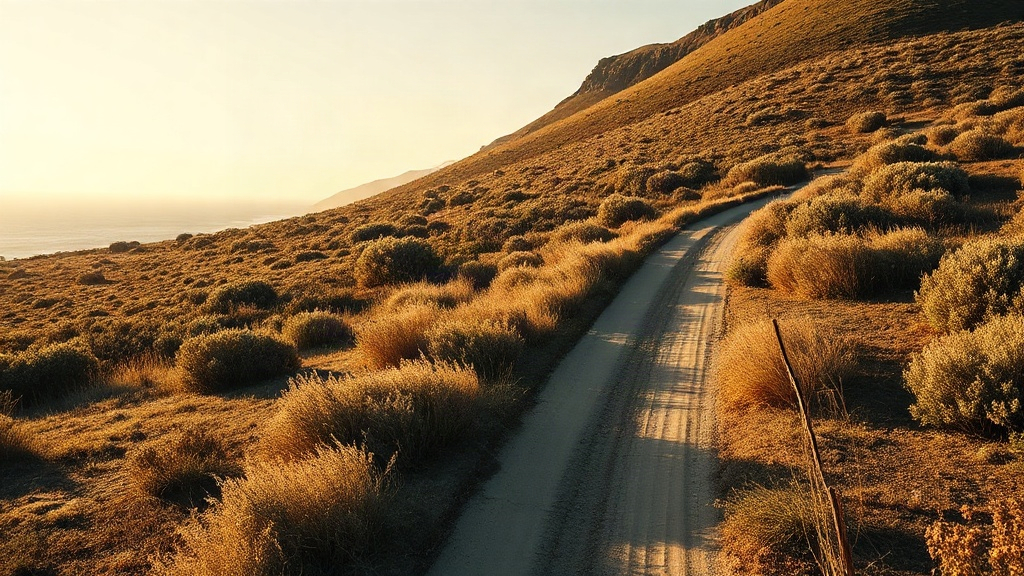
About 235 hectares of State-owned land at Ongegunde Vryheid, near Cape St Francis in the Eastern Cape, will be formally protected as a nature reserve after Public Works and Infrastructure Minister Dean Macpherson and Kouga Local Municipality executive mayor Hattingh Bornman announced an agreement to end a decade-long administrative deadlock.
The department describes the arrangement, announced on Friday, as its first of its kind. Macpherson granted final approval for the revised arrangement on 29 September 2026, following legal review and the necessary approvals.
The process began in 2015, when Kouga approached the department about using State-owned land for development and municipal purposes. Environmental assessments that followed found significant portions of the property unsuitable for residential development, which required a solution balancing conservation with the municipality’s housing needs. In October 2025, Macpherson directed that a definitive resolution be found, and the department then developed a revised approach that separated the conservation land from the portion earmarked for future human settlements, allowing both processes to proceed independently.
Under the arrangement, the land is protected under the National Environmental Management: Protected Areas Act, while the municipality takes responsibility for its ongoing management at no operational cost to the Department of Public Works and Infrastructure. The separate process for the land earmarked for future human settlements will continue through the appropriate channels, the department said.
The property carries wetlands, coastal dune systems that the department says play an important role in beach stability, and the critically endangered St Francis Strandveld vegetation type, along with habitats for threatened plant species and diverse wildlife. The department also cites significant archaeological heritage on the site. Beyond conservation, it says the arrangement helps preserve the natural assets that underpin nature-based tourism in the area.
Macpherson said the announcement showed what can be achieved when government takes the initiative to overcome administrative obstacles. “For too long, this land was caught in an administrative impasse. We have now found a way forward that protects our natural heritage, strengthens local conservation efforts and ensures this land serves a clear purpose,” he said. He added that government land must not remain idle when it can deliver public value, whether by supporting housing and economic development or by protecting environmentally sensitive areas.
Bornman said the agreement protects Kouga’s natural heritage while keeping future housing needs on the table. “Ongegunde Vryheid is an environmental asset that deserves to be protected and managed responsibly, not left vulnerable to degradation because of administrative delays,” he said. He said the partnership allows the land to be put under active management without adding operational costs to the national department, and that conservation and development need not be in conflict when government works collaboratively.
The account above is drawn from the SAnews (South African Government News Agency) report of the announcement rather than from the agreement document itself, and the terms as described have not been independently verified by the Enquirer. The source is at https://www.sanews.gov.za/south-africa/public-works-inks-deal-protect-235-hectares-state-owned-land-kouga.