IEC has already printed 66% of the ballot, and a court ruling could send the bill higher
The commission told a media briefing that money spent on ballots for the affected municipalities cannot be recovered if the Constitutional Court reinstates 181 ANC candidates.
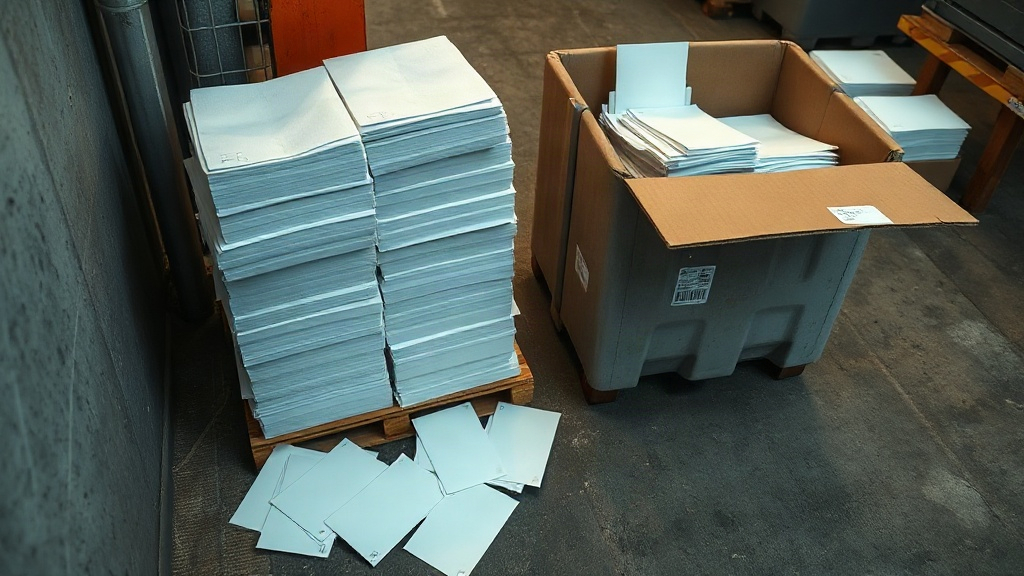
Two thirds of the ballot papers for the 4 November local government elections were already printed when the dispute over 181 ANC candidates reached the Constitutional Court, and the Electoral Commission says the money spent on them cannot be recovered whatever the court decides.
Deputy Chief Electoral Officer Masego Sheburi set out the position at a media briefing on 14 October 2026. The commission works inside a fixed 21-day printing window, he said, and had no mechanism to pause production while the legal proceedings ran their course. By the time the matter was argued, 66% of the ballots were done.
As Briefly News reported on 15 October, the commission warned that a ruling in the ANC’s favour would mean costly reprints that cannot be clawed back.
What the court is weighing
The dispute goes back to the Electoral Court, which dismissed the ANC’s appeal after the party missed the official deadline for submitting candidate lists online across six municipalities. The ANC took the matter further, asking the Constitutional Court to reinstate the 181 affected nominees in time for the 4 November elections.
The court heard oral arguments on 12 October and reserved judgment. No date has been given for the ruling.
If the court grants the relief the ANC is seeking, the commission would have to produce new ballot papers for the relevant municipalities so that the reinstated candidates appear on them. Sheburi was direct that the printing already paid for would be a sunk cost, with the reprint sitting on top of it as new expenditure.
The commission says it has contingency plans ready should the judgment require fresh ballots. Sheburi also said the ANC is not the only party with candidate submission problems, and warned that the commission’s final bill could climb beyond what this case alone represents, depending on how similar matters involving other parties are resolved.
Why the clock matters
South Africans will recognise the arithmetic here. A ballot paper is not a poster that can be overprinted. Each municipality’s ballot carries its own list of candidates in its own order, and a change to the list means the whole sheet is remade for that municipality. The printing window is set so that ballots reach voting stations, including the far ones, with time to spare.
That is the pressure the commission is describing. The closer the judgment lands to 4 November, the less room there is to reprint, pack and distribute before voters arrive. The commission’s own account is that it cannot stop the presses and wait, so it is printing on the assumption that the current lists stand, and will reprint if the court says otherwise.
The court’s decision is about which names voters in those six municipalities will find on the ballot. The commission’s problem is what it costs, and how quickly it can be done, once that decision is known.
What is not yet known
Three things remain open. The court has not said when it will rule. The commission has not put a rand figure on the reprint, and the material before the public does not carry one. And the scale of the exposure depends partly on the other candidate submission matters Sheburi flagged, which have not been resolved.
What is settled is the number that started this. Two thirds of the ballot for the 4 November elections is already on paper, and the commission says that money is gone whichever way the court goes.
The Enquirer will follow the judgment and the commission’s cost statement when they come.