Home Affairs pulls asylum intake directive, leaving reception offices to be rebuilt around a court order
The department says overwhelmed refugee reception offices and risks to its own officials forced the withdrawal, and that a new operational plan will follow the Constitutional Court's July judgment.
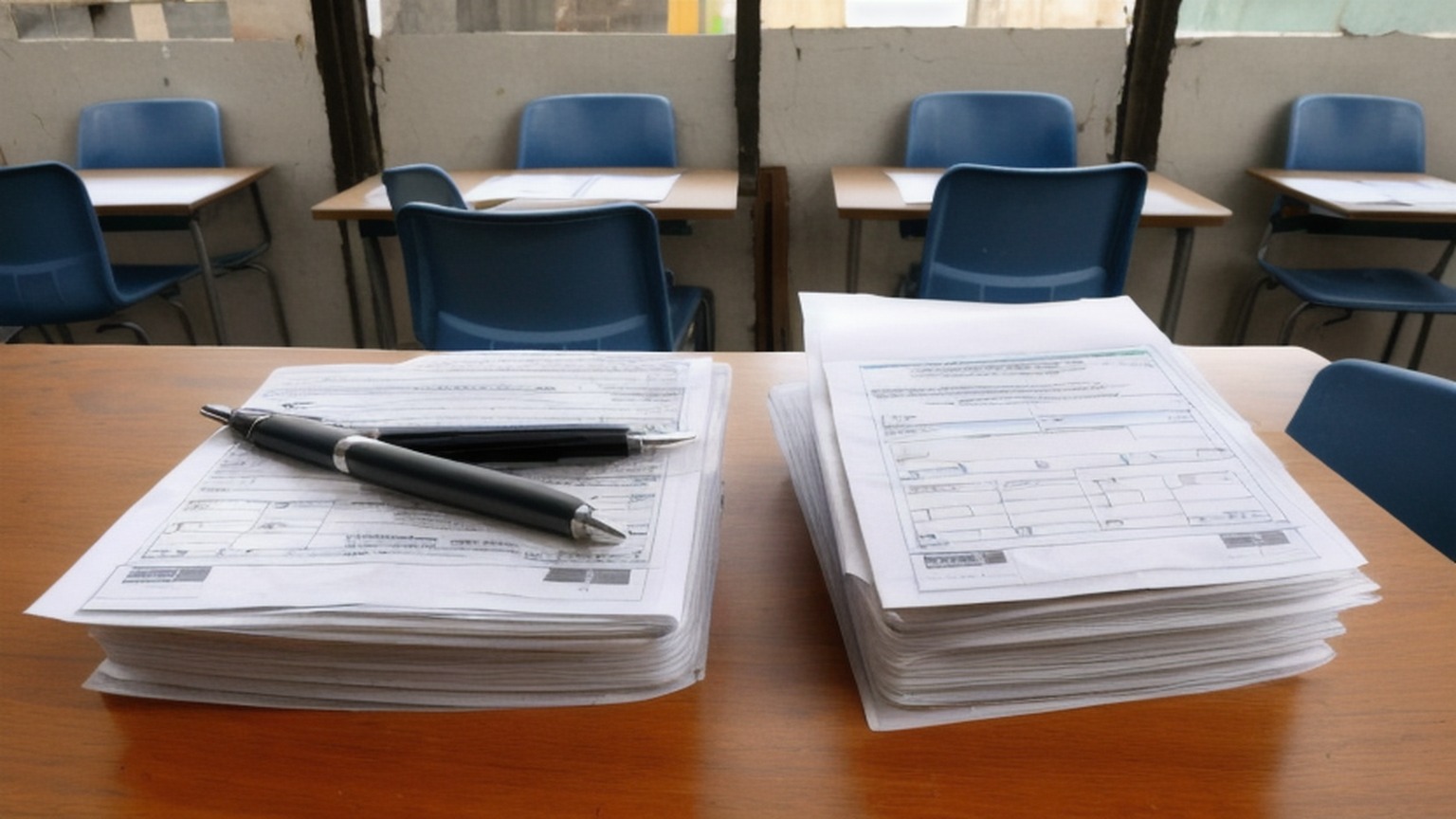
The Department of Home Affairs has withdrawn its directive on the intake of asylum applications. The department says the directive was pulled because refugee reception offices were overwhelmed, its officials were at risk, and public safety concerns had mounted. It now says it will develop a new operational approach to comply with the Constitutional Court’s July judgment.
The withdrawal was announced by Home Affairs Minister Dr Leon Schreiber, who discussed the decision with SABC News senior reporter Canny Maphanga in an interview published on 9 October 2026. As SABC News reported, the department cited overwhelmed refugee reception offices, risks to officials and concerns over public safety as the reasons for pulling the directive, and said a new operational approach would follow.
The Constitutional Court judgment in July is the legal spine of the whole matter. The court ordered the department to comply, and the directive was issued in response to that order. Withdrawing it does not withdraw the order. The department still has to run an asylum intake system that meets what the court required, and it now has to build that system without the directive it had been using.
That distinction matters more than the paperwork. A directive is an internal instruction about how a department does its work. A court order is an obligation the department cannot set aside by changing its own instructions. The withdrawal changes how Home Affairs will take in applications. It does not change the legal duty the court set out.
For an ordinary person in the asylum system, the practical effect sits in the queue. Refugee reception offices are where a person lodges an application, has it recorded, and receives the documentation that follows from it. When those offices are described by the department itself as overwhelmed, the consequence lands on the people standing in line and on the officials trying to process them. The department has now said, in plain terms, that both of those pressures were part of why it withdrew the directive.
The department also named risks to its officials and concerns over public safety. Those are the department’s own stated reasons, and they are serious ones. A reception office that cannot manage its intake is a difficult place to work and a difficult place to be processed. The withdrawal is the department’s acknowledgement that the previous arrangement was not holding.
What the department has not yet published is the replacement. It says a new operational approach is being developed to comply with the court order. Until that approach is set out, the shape of asylum intake in South Africa remains unsettled, and the people who depend on it have no new instruction to read.
This is not a story about a department walking away from a court. It is a story about a department saying its current method failed and that it intends to build another one. The test of the withdrawal is what replaces it, and whether the replacement can do what the directive could not: take in applications at the volume arriving, keep officials safe, and satisfy the Constitutional Court.
The department has been clear about the pressures. It has been less clear about the plan. Those are the two facts a reader should hold together.
Home Affairs has not said when the new operational approach will be published, and it has not set out what it will contain. Until it does, the July judgment stands as the binding requirement and the withdrawn directive stands as the method the department has decided it can no longer use.
The Enquirer will follow the department’s next published step on the replacement approach and what it means for people in the asylum queue. Anyone who has lodged an application or is waiting on documentation should treat the court order, not the withdrawn directive, as the standard the department is now obliged to meet.
Source: SABC News, Migration Crisis | DHA Minister Dr Leon Schreiber on withdrawn asylum directive.