Durban bets R1.9 billion on superyachts to create 2 500 jobs by 2030
eThekwini is pushing a 24-hectare superyacht precinct in the Port of Durban and hosting the first African YARE symposium in November, with the city manager promising the money turns into work for residents.
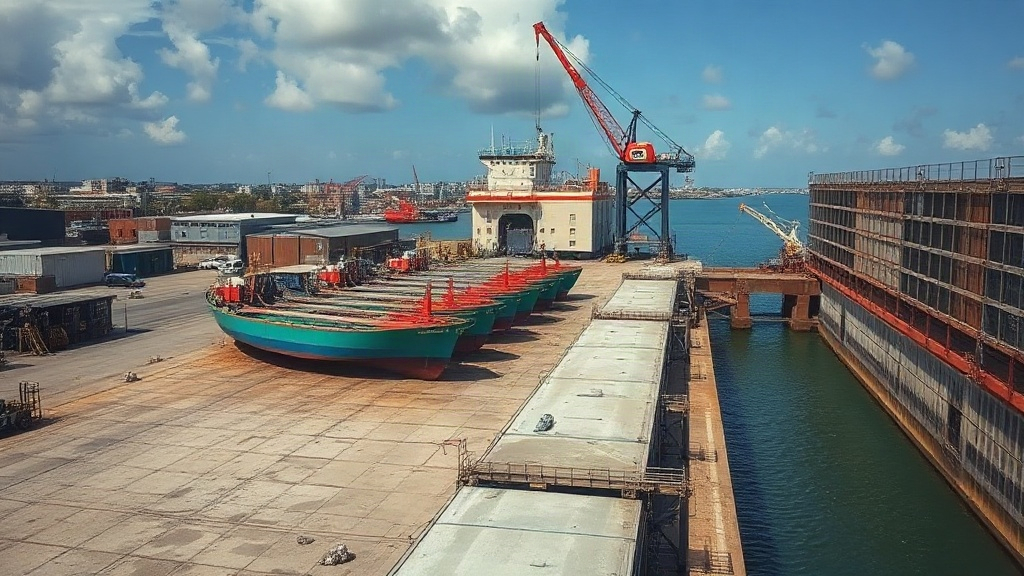
eThekwini Municipality is moving ahead with plans to make Durban a superyacht destination and service hub, with a proposed 24-hectare superyacht precinct earmarked inside the Port of Durban and a target of more than 2 500 direct jobs by 2030.
The KwaZulu-Natal Superyacht Marina forms part of a R1.9 billion investment pipeline, the city says, and sits inside the wider Durban Bay Waterfront development. The pitch is that Durban becomes the entry point to Africa on an emerging superyacht route linking the Mediterranean with the continent’s eastern seaboard.
The city will host the first African edition of the Yachting Aftersales and Refit Experience (YARE) On Tour Symposium at Moses Mabhida Stadium in November 2026, bringing captains, shipyards, refit specialists, marine companies, ports, institutions and international stakeholders together around new yachting routes and destinations.
City manager Musa Mbhele framed the project as industrial policy rather than tourism alone. “The KZN Superyacht Marina is not just about berthing boats. It is about industrial development, skills transfer, and positioning Durban as the gateway to the Indian Ocean superyacht circuit,” he said. “By hosting YARE and working with global partners such as Navigo, we are turning our maritime heritage into a high-value economic engine for the city and its residents.”
The municipality is working with Italy-based Navigo, which is associated with the YARE programme, to advance the estimated R1.9 billion private-sector investment pipeline. Navigo has committed to bringing 10 or more superyacht visits to Durban annually from 2028, which the city says could generate about R100 million a year in fuel sales before other spending is counted.
That other spending is the larger part of the argument. The city anticipates superyacht crews and owners spending on maintenance, repairs, provisions, accommodation and tourism services. It cites a single superyacht visit to Cape Town reportedly spending about R10 million on diesel alone.
Mbhele said the employment targets complement the Transnet National Ports Authority’s ship repair strategy, which is projected to support more than 25 000 employment opportunities across the sector. “Every superyacht that calls at our port supports local suppliers, technicians, hospitality businesses, and young people entering maritime careers,” he said. “Our task is to make sure this opportunity translates into real jobs and skills for the people of eThekwini.”
The paperwork behind the announcement has been building through the year. The municipality signed a letter of intent with Navigo in Viareggio, Italy, in March 2026, introducing the Durban route to the international superyacht community. In July the municipal council approved a three-year partnership with Navigo and authorised the development of a KZN Superyacht Implementation Plan. The city engaged industry leaders at the Monaco Yacht Show in September under the Navigo umbrella, and in October took part in blue economy discussions at the African Boating Conference in Cape Town, represented by Captain Londy Ngcobo.
The initiative is aligned with national and provincial ocean economy priorities, including Operation Phakisa and the Oceans Economy Master Plan 2035. It also complements the TNPA’s Ship Repair and Manufacturing Plan, which seeks to expand private-sector participation through a landlord port model and concessions, and the work of the Presidential eThekwini Working Group.
The municipality has called on investors, maritime businesses and skills development partners to engage with the programme ahead of the November symposium. What the city has not set out in this account is how the 2 500 direct jobs will be counted, which firms will carry them, or what portion of the R1.9 billion has been committed rather than estimated. Those are the questions the November gathering and the implementation plan will have to answer.
This report is based on the account published by SAnews (South African Government News Agency) at https://www.sanews.gov.za/south-africa/durban-targets-2-500-jobs-through-superyacht-marina-project, which is a summary of the municipality’s position rather than the underlying agreements and plans.