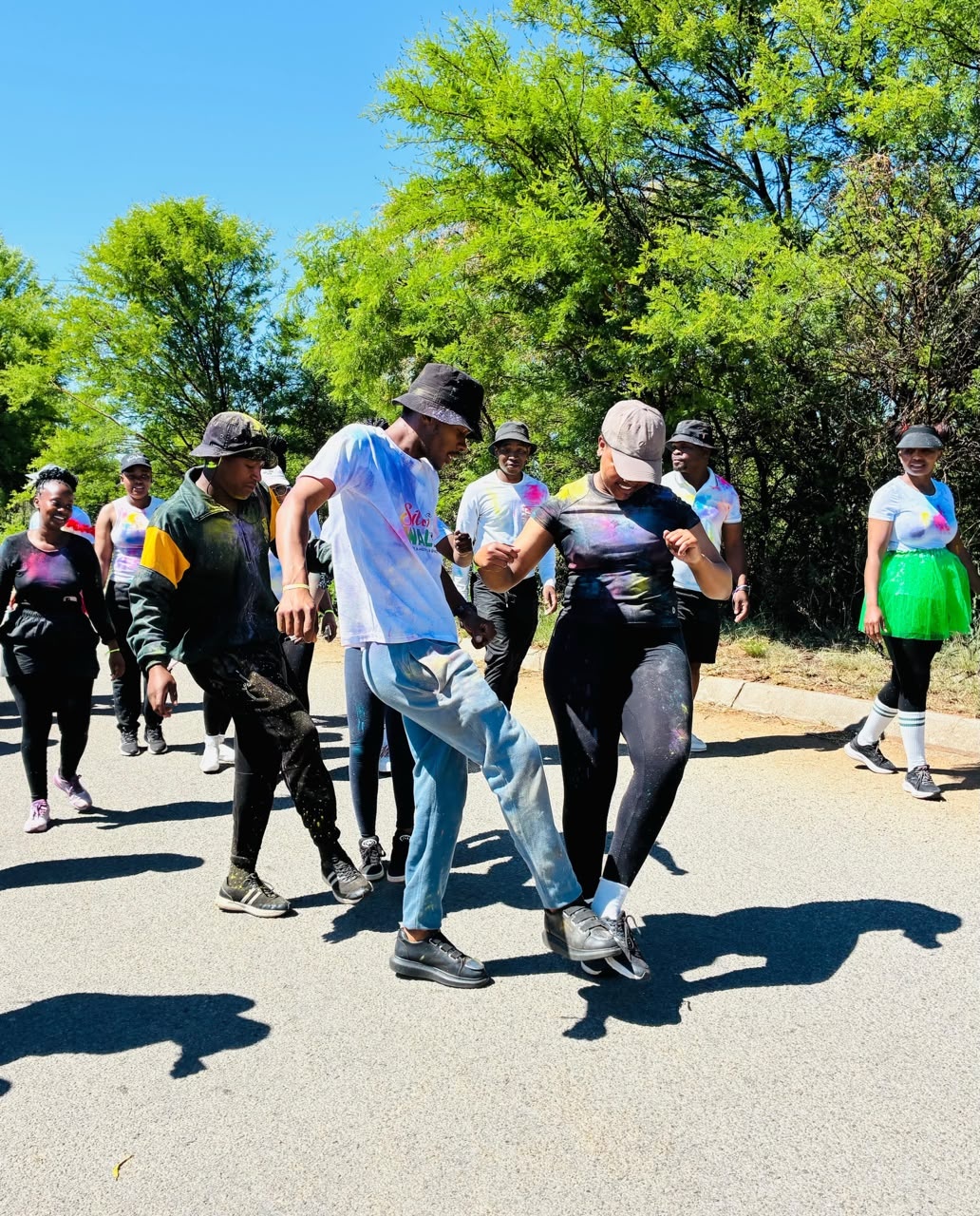
Durban and Soweto residents take the streets over undocumented immigration as police hold hotspots
Marchers in the Durban CBD, Soweto and Johannesburg demanded enforcement action this week, and 30 people have been arrested, 25 in KwaZulu-Natal and five in Gauteng.
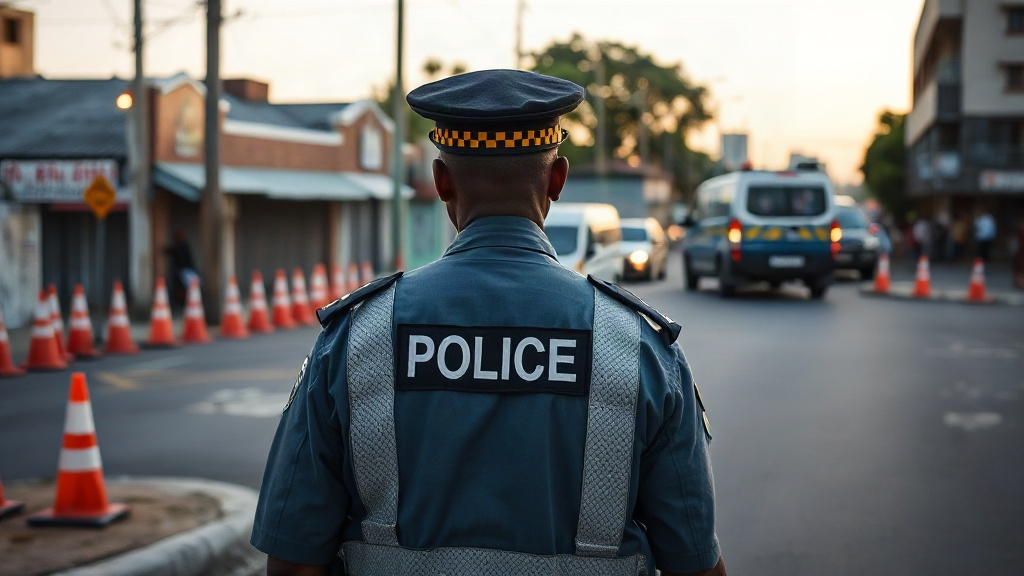
South Africans in the Durban CBD, Soweto and Johannesburg took to the streets this week to demand enforcement against undocumented immigration, and the streets they marched are still the streets the state is watching.
The National Joint Operational and Intelligence Structure, the body that coordinates the police, the metro services and the intelligence community during a national operation, says heightened deployments will stay in place at the hotspots in Durban and Johannesburg. That is the state’s answer to what residents did, and it arrived after the marches, not before them.
The demand itself is not new. Communities in Durban and in the Johannesburg townships have been arguing for years that the load undocumented immigration places on clinics, schools, housing and informal trading has gone past what those services can carry, and that the enforcement they are promised does not arrive. This week they said it in the street. The Enquirer is not in a position to put a number on how many people marched, and the source material does not carry one.
What the record does carry is the consequence. Thirty people have been arrested, 25 in KwaZulu-Natal and five in Gauteng. The offences listed are public violence, illegal gathering, obstruction and resisting arrest. Those are the state’s counts and the state’s charges, and they belong after the reason people were there.
As SABC News reported on 10 October, the deployments will remain at the hotspots in Durban and Johannesburg after what it described as violent protests erupted over the last few days. That is the account the broadcaster carried, and it is the only account of the NATJOINTS briefing in front of us.
What a South African reader will notice is what that account does not say. It does not say what the marchers were demanding, in their words or in anyone else’s. It does not say what residents say is happening in their clinics, their schools or on their trading strips. It does not say which hotspot streets are being held, or for how long, or what the deployment is meant to achieve beyond presence. A briefing that begins and ends with the state’s own posture leaves the public argument that produced the marches out of the frame.
That argument is the part this paper reports. Residents in these areas have made a specific case, and it is a case about capacity. They say the services they depend on are stretched, that enforcement is uneven, and that the paperwork and the policing do not match the size of the problem they are living with. Whether every claim in that case holds is a question for evidence, and where the evidence is thin this paper will say so. The demand that the state enforce the law is not a claim that needs to be neutralised. It is a political position held by South Africans, and it is the reason the streets filled.
The policing question is the one the state now has to answer plainly. What changed after this week. Who may remain and who may be removed. Why the queues at Home Affairs are what they are. What the police can actually enforce, on which streets, with what resources. And what residents are supposed to do while they wait for an answer that has not come for years.
What is on the record is narrow and worth stating exactly. Heightened deployments remain at hotspots in Durban and Johannesburg. Thirty arrests have been made, 25 in KwaZulu-Natal and five in Gauteng, on charges of public violence, illegal gathering, obstruction and resisting arrest. The marches happened in the Durban CBD, Soweto and Johannesburg.
Everything else that a reader would want to know, the size of the crowds, the memoranda handed over if any were, the specific demands put to which office, the response of the provincial and national departments to those demands, is not in the material this paper is working from, and this paper will not invent it.
The Enquirer is putting the enforcement questions to the police, to the Department of Home Affairs and to the Gauteng and KwaZulu-Natal provincial governments, and will publish what they say when they say it.