Durban and Soweto residents demand action on undocumented migration as 30 held after week of protest
NATJOINTS says heightened deployments remain at hotspots in Durban and Johannesburg, with 25 arrests in KwaZulu-Natal and 5 in Gauteng.
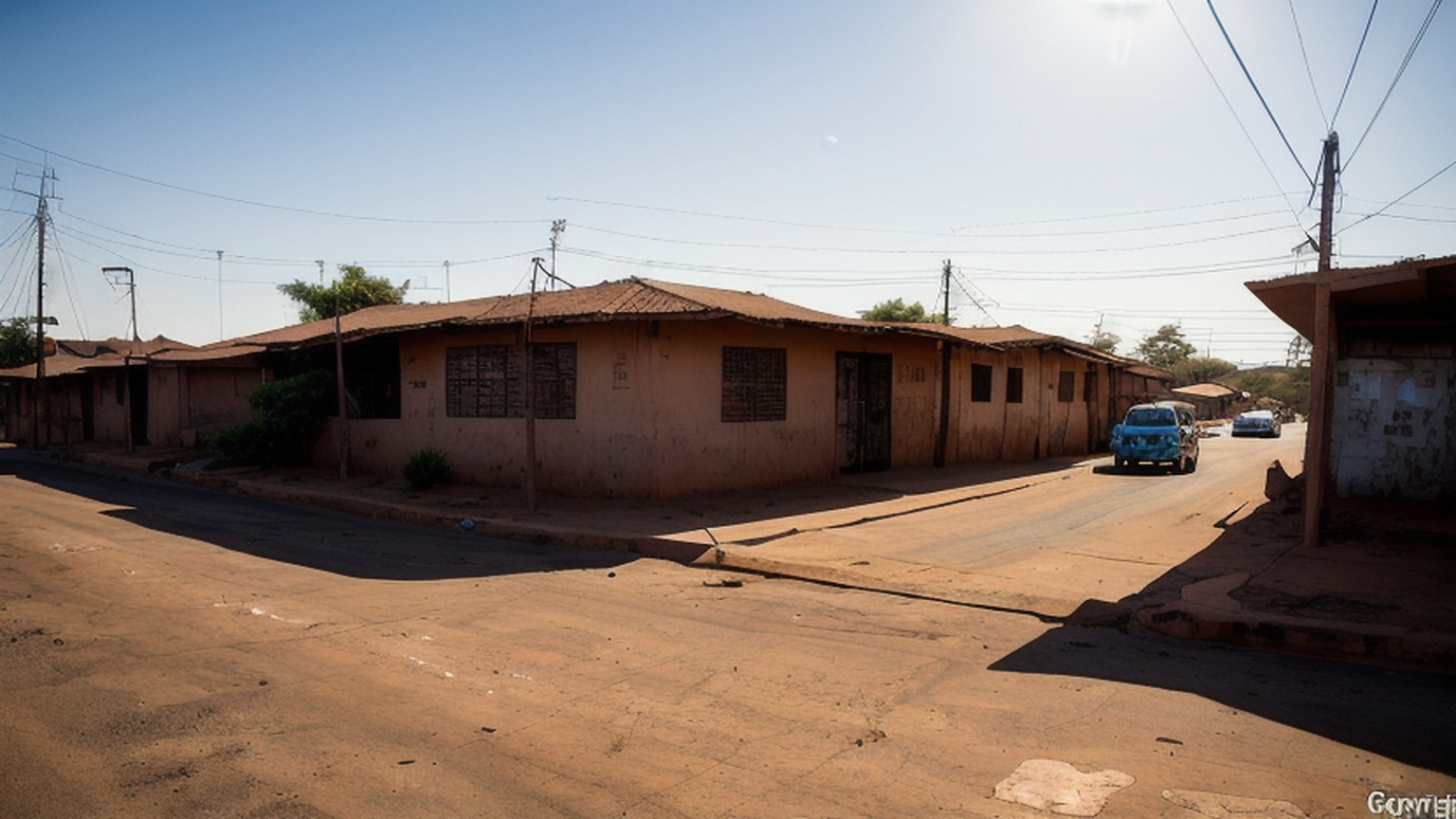
Residents in Durban and Soweto are asking what the state is going to do about undocumented migration in their areas, after a week in which anger over the issue spilled into the streets and the police moved in to hold the hotspots.
By Saturday the streets had quietened. The National Joint Operational and Intelligence Structure, the interdepartmental command centre that coordinates the police, the metro services and the intelligence community during unrest, said heightened deployments would remain in Durban and Johannesburg. Thirty people have been arrested, 25 in KwaZulu-Natal and five in Gauteng, for offences including public violence, illegal gathering, obstruction and resisting arrest.
The week began with protest against undocumented immigration. The grievances are the ones South Africans have been raising in meetings, on radio and in queues outside Home Affairs for years: pressure on clinics, on classrooms, on housing lists and on the informal trading spots that families depend on, and a Home Affairs system that people say cannot process, cannot deport and cannot tell them who is in the country.
That is the demand the state is now answering. Not with a policy announcement, but with a deployment, an arrest count and a promise that the police will stay where they are.
As SABC News reported on 10 October, NATJOINTS said criminality would not be tolerated and that the heightened deployments would remain in place at hotspots in Durban and Johannesburg. That account is accurate as far as it goes. What it does not carry is the reason the crowds came out, which is the load that residents say they are carrying and the enforcement they say they are not getting.
Durban’s CBD and Soweto are not random addresses. Both are dense, both carry large informal trading economies, and both have been the site of repeated flashpoints over undocumented migration, service delivery and street trading. When the police describe a hotspot, they are describing a place where the pressure has been building for a long time and where the state’s presence has been thin until something breaks.
The arrests are the state’s case against named people, and each one has to be tested in court on its own facts. Public violence, illegal gathering, obstruction and resisting arrest are the counts that have been laid. What the arrests do not do is answer the question the marchers were asking, which is what happens next to the pressure that put them on the street.
For a reader in Durban or Soweto, the practical questions are simple. Will Home Affairs process the applications and the deportations that have been piling up. Will the police stay after the cameras leave. Will the clinics and the schools get the capacity they need, or will the community be told again that the numbers are being managed. Those are the questions that will decide whether the streets stay quiet.
NATJOINTS is the structure that sits above the SAPS, the metro police and the intelligence services when a situation crosses provincial lines or needs a single command voice. Its briefings are the state’s account of what it is doing. They are not the community’s account of what it is living through, and the two have not been the same this week.
The Enquirer will keep reporting on the enforcement questions residents are raising, on what Home Affairs can actually process and remove, and on what the police deployment delivers once the briefing cycle moves on.