Cape Town CBD suites go on sale from R2,1m as Neighbourgood opens The Lennon
The former Townhouse Hotel site at 60 Corporation Street is being redeveloped into the company's first sectional title building, with 7 October online launch and a R100 000 early investor discount.
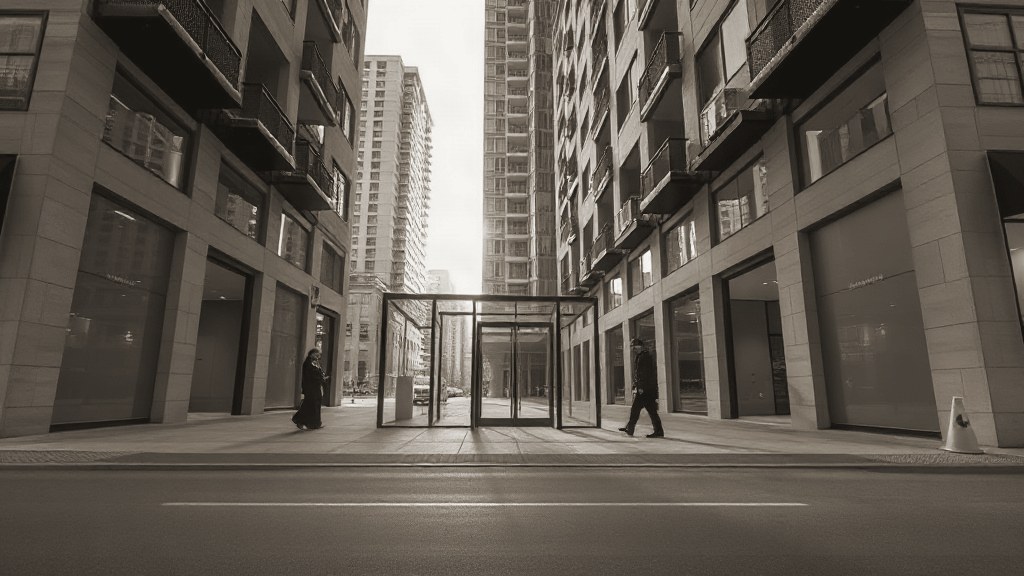
A suite in Cape Town’s central business district can be bought from R2,1 million, with the building’s pool, gym, café and concierge run by a management company rather than left to the body corporate.
The Lennon, at 60 Corporation Street, is Neighbourgood’s first sectional title development, and it opens online sales on Wednesday, 7 October at 1pm. Suites start at R2,1 million, one-bedroom apartments at R2,99 million and two-bedroom apartments at R5,09 million. A R100 000 discount is attached to reservations made on launch day, and units are held with a R10 000 reservation fee.
The address is not incidental. The former Townhouse Hotel on the site became Neighbourgood’s first significant acquisition in 2021. The company now runs more than 1 000 units across Cape Town and the Cape Winelands, spanning furnished accommodation, aparthotels, coworking spaces and rooftops, and it is applying that operating experience to a residential building it will manage itself.
What the buyer actually gets
Standard finishes include the essential kitchen appliances. Buyers who want the apartment ready to live in or let out can add a furniture and fit-out package put together by Terrā Design, the Cape Town interiors studio working on the project alongside Silk Road Architects.
The shared facilities are the core of the sales pitch. Residents get a rooftop pool and bar, a fully equipped gym, a café and bakery, a restaurant, social spaces, reception and concierge services, laundry, and optional cleaning and hotel-style room service. Access also extends to Neighbourgood’s amenity spaces and Work Clubs elsewhere in the city, and to its events programme, which runs from creative workshops and networking evenings to community dinners and sunset hikes up Lion’s Head.
For an owner who lets the unit out, that access becomes part of what the tenant is paying for. For an owner who lives in it, the argument is convenience: the building covers more of the daily routine without a trip into the city.
The tax question buyers should ask
The location falls inside Cape Town’s Urban Development Zone. Qualifying owners of residential property used to produce income may be able to claim an accelerated income tax allowance under Section 13quat, and investors holding five or more qualifying new residential rental units may qualify under Section 13sex. Both incentives carry specific eligibility requirements, and the source material is explicit that purchasers should take independent professional tax advice before relying on any deduction. That is the correct instruction, and buyers should follow it rather than treat a launch brochure as a ruling.
Where the money is going
The proposition rests on a shift that has been under way in South African cities for several years. The line between a hotel, a rental block and a residential building has thinned, and buyers in the CBD are increasingly paying for management and shared space rather than for floor area alone.
For a reader weighing R2,1 million, the calculation is straightforward. A compact suite in the CBD buys proximity to Bree Street’s restaurants and cafés, Harrington Street, the galleries and museums, and MyCiTi routes to Signal Hill, Table Mountain, the V&A Waterfront and the Atlantic Seaboard, all of which the development’s marketing places within a few minutes of the door. What it does not buy is space, and the entry-level product is designed to make efficient use of what there is.
The online launch on 7 October is the dated step. Registration is open ahead of it, floor plans are available to browse, and apartments can be shortlisted before the day.
Source: BusinessTech, R2.1m gets you a hotel-style home in Cape Town’s CBD