30 arrested as anti-immigration protests hit Durban and Soweto
NATJOINTS says heightened police deployments will remain at hotspots in Durban and Johannesburg after this week's unrest.
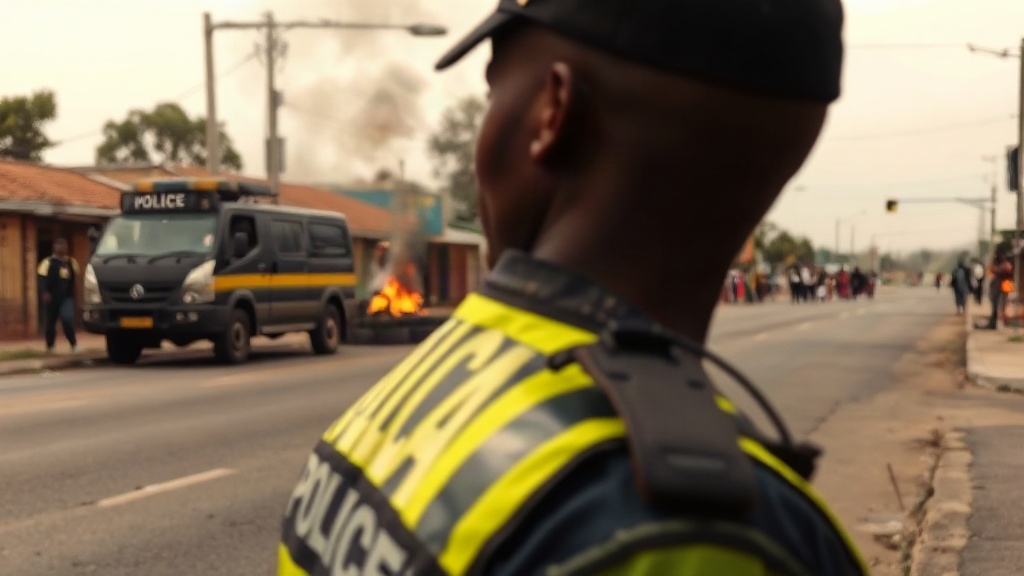
Thirty people have been arrested after protests against undocumented immigration in Durban, Soweto and Johannesburg this week, the National Joint Operational and Intelligence Structure said on Saturday.
Twenty-five of the arrests were in KwaZulu-Natal and five in Gauteng, NATJOINTS said. The offences include public violence, illegal gathering, obstruction and resisting arrest.
As SABC News reported on 10 October, heightened police deployments will remain in place at hotspots in Durban and Johannesburg. The structure’s briefing was carried under the headline “Criminality will not be tolerated”.
NATJOINTS is the standing structure that coordinates the police, the metro police services, the defence force and the intelligence services during large public order events. When it announces that deployments will remain in place, it means the extra officers, vehicles and public order units sent to those areas are staying rather than standing down.
The protests broke out in the Durban CBD and in Soweto and Johannesburg earlier in the week. All three are areas where the argument over undocumented immigration has been running for years, and all three carry the same pressures that sit behind it: competition for informal trading space, pressure on clinics and schools, and a police service that residents in those areas say is already stretched.
What the deployment means on the ground is that road closures and stop-and-search operations in the affected parts of the Durban CBD and the Johannesburg townships are likely to continue into the coming week. Commuters and traders in those areas should expect the police presence to stay.
The 30 arrests are the state’s count of people taken into custody. They are not a count of people convicted, and the cases still have to run their course. The Enquirer has no further detail on the individual cases.
NATJOINTS has not said how long the deployments will remain in place, or what would have to change in the hotspots before they are scaled back.