30 arrested after Durban and Joburg immigration protests: who they are, what they are charged with, and what the police will not say
NATJOINTS says heightened deployments stay in place at hotspots in Durban and Johannesburg, but the record does not yet answer the basic questions about the people in custody.
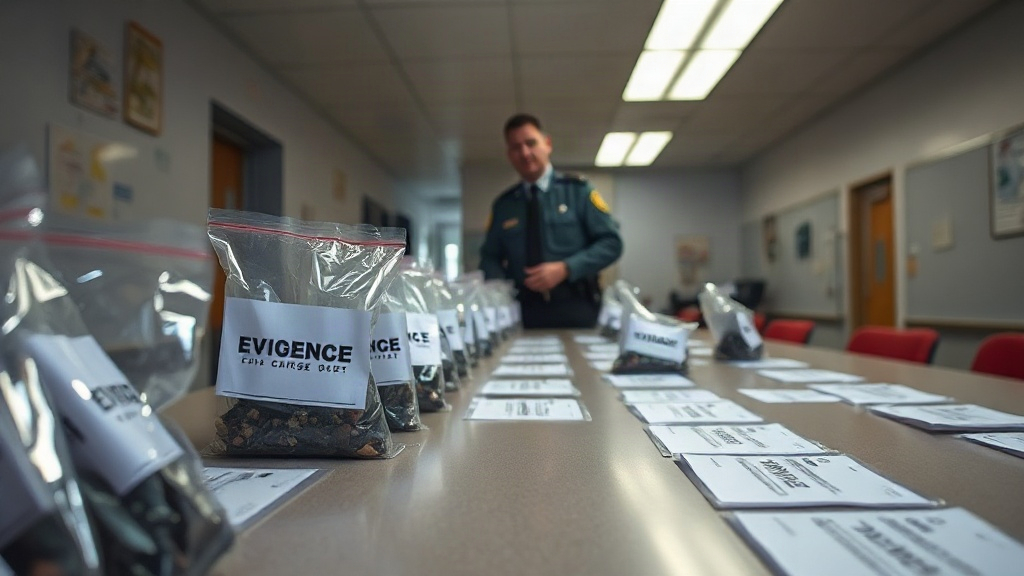
Thirty people have been arrested after several days of anti-undocumented immigration protest in the Durban CBD, Soweto and Johannesburg, the National Joint Operational and Intelligence Structure said. Twenty-five of the arrests were in KwaZulu-Natal and five in Gauteng. The offences cited include public violence, illegal gathering, obstruction and resisting arrest.
NATJOINTS also said heightened police deployments will remain in place at hotspots in Durban and Johannesburg. As SABC News reported on 10 October, the structure briefed on the arrests and on the deployments that will stay in place.
That is the state’s account, and on the counts and the categories of offence it is the only account available. What it does not yet answer is the part that matters most to the people who were on those streets, and to the people whose family members are now in custody.
What the record does and does not say
NATJOINTS is not a police station or a single unit. It is the standing structure that coordinates the SAPS with the metro police, the defence force, the intelligence services and other departments when an event is judged to need a joint operational response. When NATJOINTS briefs, it is speaking for the state as a whole, not for one commander. That is why the briefing carries weight, and also why the gaps in it are not gaps in a single officer’s knowledge.
The record, as it stands, answers the following. Thirty arrests. Twenty-five in KwaZulu-Natal, five in Gauteng. The offence categories listed. Heightened deployments continuing at hotspots in two provinces. Protest activity over several days in the Durban CBD, Soweto and Johannesburg.
It does not answer the following, and these are the questions this paper is putting to the SAPS, to the KwaZulu-Natal and Gauteng provincial commissioners, and to the National Prosecuting Authority.
Who are the accused, once their identity may lawfully be published? The state has not named any of them. Where the state has established immigration or asylum status, what is it? The state has not said. Where the state or a court has established ages, what are they? The state has not said, and the distinction matters because the Child Justice Act routes minors through a different process from the outset. What is each person actually charged with, as opposed to the list of categories the briefing gave? Whether any firearm was recovered, whether any firearm was licensed, to whom, and where it came from? The state has not said. What identity and status checks the police perform after an arrest, and whether those checks were performed here? The state has not said. How many people were injured, and how seriously? The state has not said. When is the next court appearance? The state has not said.
None of these are trick questions. They are the standard questions that follow any set of arrests on a public order matter, and in a case where the underlying issue is immigration status, the status question is not incidental. It is central to what happens next to each person in custody, and it is the difference between a bail hearing in a magistrate’s court and a Home Affairs process that runs alongside it.
What South Africans were saying on the street
The protest did not begin with a briefing. It began with residents and traders in the Durban CBD, in Soweto and in Johannesburg making a demand that has been made in those areas for years: enforcement of immigration law, and relief from what they describe as the pressure that undocumented migration places on informal trading, on policing and on local services. That demand is the reason the streets filled. It is not a fringe position and it is not new. It has been raised in community meetings, in submissions to Parliament, in provincial legislature debates and in the informal trading associations that operate in the Durban CBD and in the inner city of Johannesburg.
The state’s answer, so far, has been a deployment and an arrest count. Those are two facts. They are not an answer to the question the protesters were asking, which is what Home Affairs, the SAPS and the metros intend to do about the conditions that produced the march in the first place.
That question is now sharper, not softer, because of the arrests. If the state’s position is that the demand is legitimate but the method was not, the state needs to say what it will do about the demand. If the state’s position is that the demand is not legitimate, the state needs to say that too, and take the political consequences. What it cannot do is brief on the arrests and leave the demand unanswered, because the demand will still be there when the deployments are scaled down.
What the enforcement picture actually looks like
South Africa’s immigration enforcement capacity is not a mystery. Home Affairs has a standing inspectorate, the Immigration Act provides for detention and deportation, and the SAPS has a mandate to act on immigration offences alongside its other duties. What has been in short supply, according to years of reporting and to the department’s own annual reports, is the operational capacity to run the system at the scale the law contemplates. That is why the enforcement demand from communities has kept returning, and why a briefing that confirms arrests but says nothing about the enforcement pipeline is not a complete account.
The question for Home Affairs, as distinct from the SAPS, is what happens to any of the thirty who are found to be in the country without lawful status. That is a separate process from the criminal case, and it runs on its own timeline. The department has not said whether it has begun that process for any of the people arrested, and it has not said whether it intends to.
The next dated step
The one thing the record does not yet contain, and the one thing that will move this story forward, is a court date. Until the National Prosecuting Authority or the SAPS confirms when the first appearances are scheduled, the public has no way of knowing whether these are bail applications, whether any accused are minors, whether any are facing immigration proceedings in parallel, or whether any of the charges will be withdrawn before a plea.
This paper has put those questions to the SAPS national spokesperson, to the KwaZulu-Natal and Gauteng provincial commissioners, to the National Prosecuting Authority and to the Department of Home Affairs. Their answers, when they come, will be published. The deployment is in place. The arrests have been made. The questions that follow the arrests have not been answered, and they are the questions that decide what happens to thirty people and to the communities that marched.