30 arrested after anti-immigration protests in Durban and Soweto, NATJOINTS deployments stay in place
The National Joint Operational and Intelligence Structure says heightened police deployments will remain at hotspots in Durban and Johannesburg, with 25 of the arrests in KwaZulu-Natal and five in Gauteng.
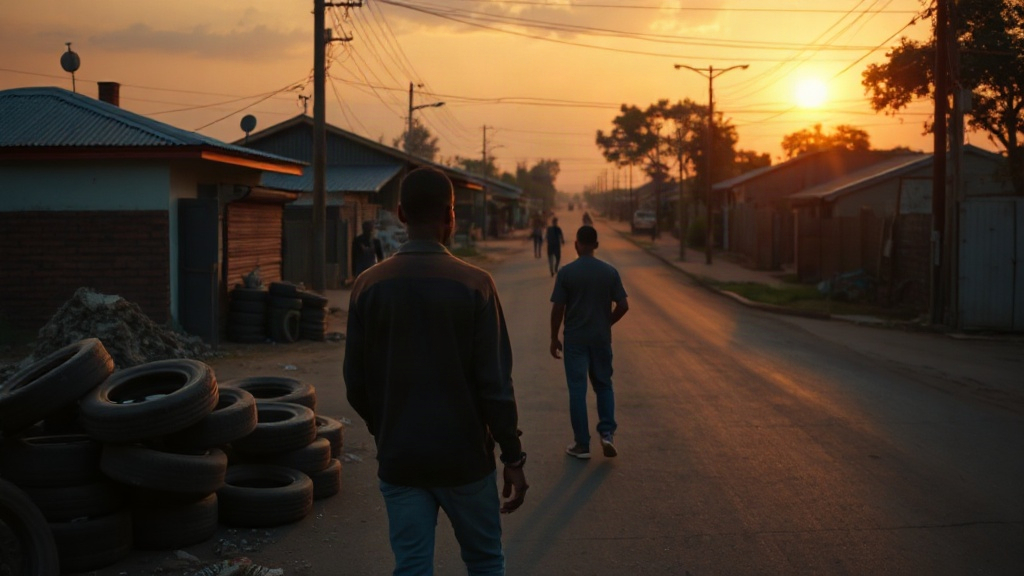
Thirty people have been arrested after protests over undocumented immigration in the Durban CBD, Soweto and Johannesburg, the National Joint Operational and Intelligence Structure said, with 25 of the arrests in KwaZulu-Natal and five in Gauteng. The offences cited include public violence, illegal gathering, obstruction and resisting arrest.
NATJOINTS is the standing structure that coordinates the South African Police Service, the metro police services, the intelligence community and other state departments when an event is treated as a national security or public order matter. A NATJOINTS briefing is therefore not a station-level update. It is the state speaking through its highest operational coordinating body, which is why the deployment language matters to anyone who lives or trades in the affected areas.
As SABC News reported on 10 October, the structure says heightened police deployments will remain in place at hotspots in Durban and Johannesburg. That is the operational part of the announcement, and it is the part residents will notice first: more officers on the streets in the affected precincts, for an unspecified period, with no stated end date in the material published so far.
What the announcement does not yet do is answer the questions that follow any set of arrests on a politically charged matter. The record does not name the accused, and no court document has established their ages. It does not state the immigration or asylum status of any person arrested, and under the reporting rules this paper applies, status is stated only where the state has established it and it is material. It does not set out the specific charge each arrested person faces, only the categories of offence cited across the group. It does not say whether any weapon was recovered, whether any firearm was involved, whether any such firearm was licensed and to whom, or what identity and status checks police perform after an arrest. It does not give a figure for people injured or the seriousness of any injuries. It does not give a date for a first court appearance.
Those are not gaps this paper can fill from inference. They are questions put to the state, and they remain open until the state answers them on the record or a court does.
South Africans who live in the affected areas know what the surrounding argument is about. The protests reported this week were directed at undocumented immigration, and the pressure behind them is the load that residents say they carry in their own neighbourhoods: informal trading space, rental rooms, clinic queues, school places and the policing of streets where the state’s presence has been thin. That is the demand the state is being asked to answer, and it is a demand made by South Africans about their own country. It is not answered by an arrest count, and it is not answered by a deployment that has no stated duration.
The enforcement questions are concrete. What changed on the ground this week that was not the case before. Who among those arrested may lawfully remain in the country and who may be removed, and on what legal basis. Why the deployments were ordered at these specific hotspots rather than others. What the state can actually enforce at the Durban CBD and in Soweto once the extra officers are withdrawn. And what Home Affairs is doing, alongside the police, about the underlying documentation question that the protests were about. The material published so far addresses none of these.
There is also the question of what happens to the 30 people now in custody. South African law sets timelines for a first appearance after arrest, and the state has not yet said when that will be or in which court. Until it does, the arrests remain a number rather than a set of cases, and the public has no way to test whether the charges match the conduct alleged.
NATJOINTS has said criminality will not be tolerated. That is a statement of intent, and it is the state’s to make. What a reader in Durban or Soweto is owed is the rest of it: who was arrested, what each is charged with, what was recovered, who was hurt, and when the courts will see them. The Enquirer will report those answers when the state provides them.