Tshwane taps ran three weeks without chlorine, and 408 people fell ill, most of them under four
A Department of Water and Sanitation investigation found the Bronkhorstspruit plant went unchlorinated from September 24 to October 14 and that residents were never warned, as norovirus, Campylobacter and Shigella are detected in patients and water samples.
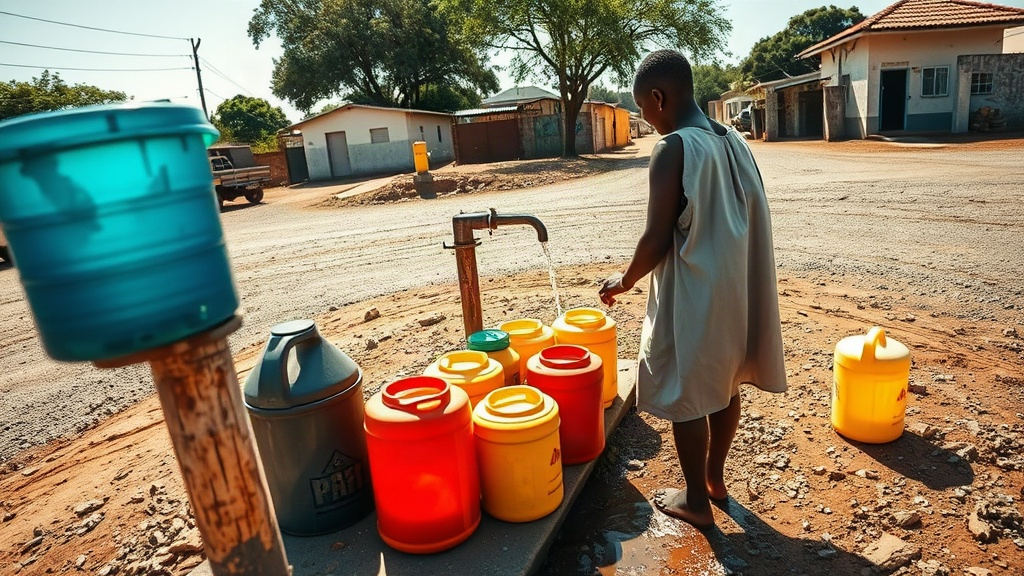
The Bronkhorstspruit water treatment plant ran for three weeks without chlorine, and nobody told the residents drinking from it. Between October 7 and 18, health authorities recorded 408 cases of gastrointestinal illness in Bronkhorstspruit, Zithobeni, Dark City, Rethabiseng and Sokhulumi. Most of the patients are younger than four years old.
A Department of Water and Sanitation investigation found the plant operated without chlorination from September 24 to October 14 because of difficulties with the City of Tshwane’s chlorine supplier. The same investigation found that residents were not warned against drinking or using the water, despite requirements to notify communities when their supply becomes unsafe.
The City closed the plant on October 14 and reopened it on October 16 after chlorine supplies were restored. The water is still not safe for household use.
The National Institute for Communicable Diseases detected norovirus, Campylobacter and Shigella in three of four patient stool specimens analysed. Water tests by the department found extremely high levels of E. coli and total coliforms in samples from the treatment works and from the Ekandustria and Zithobeni reservoirs. No cholera bacteria were detected in the stool specimens, and no deaths had been reported by October 19.
A joint statement from the national health and water and sanitation ministries, the Gauteng provincial government and the City of Tshwane said the combined findings indicated that exposure to contaminated water from the plant had caused the illnesses.
Dr Ohunayo Babalola of Bettermed Clinic in Boksburg said dehydration is the complication that worries clinicians most. “The greatest concern is dehydration, particularly among young children, because their bodies are less able to compensate for significant fluid losses than those of adults,” he said. A child who becomes unusually lethargic, is less playful than normal, experiences seizures or cannot keep fluids down needs urgent medical attention, he said. Bloody diarrhoea also requires medical assessment.
Babalola warned against taking antibiotics on the assumption of exposure. “We do not routinely prescribe preventative antibiotics simply because someone may have been exposed to contaminated water,” he said. Adults with persistent symptoms should seek help. People with no symptoms should monitor their health and drink safe water.
Bronkhorstspruit Hospital has set up an isolation area and added beds, with contingency plans for extra staff and transfers to other hospitals.
The chlorine interruption was not the only problem investigators found. The Bronkhorstspruit River, which supplies raw water to the plant, is affected by sewage pollution linked to dysfunctional wastewater treatment works in Victor Khanye Municipality and malfunctioning Tshwane sewage pump stations. Pumps, sand filters and other mechanical equipment at the treatment plant were not working.
The Water Research Commission has been appointed to conduct independent water-quality tests and investigate the contamination. Further laboratory results were expected from October 21, and its investigation report is expected by October 28. The department has begun regulatory accountability measures on pollution and compliance with water and sanitation standards.
Until the taps are declared safe, the City is distributing emergency drinking water from the Cullinan Water Treatment Works using 36 tankers. The City and the department say laboratory tests indicate the tanker water is safe to drink. Residents in the affected areas have been told not to drink tap water or use it for cooking, bathing, brushing teeth, washing food or clothes. Tap water may be used only for flushing toilets.
Households have been advised to throw away water stored before the warning, disinfect containers with household bleach, and keep tanker water in clean, covered containers. Health promoters are visiting homes to explain hygiene and safe storage.
There is still no confirmed date for when tap water will be safe to drink again.
The City says it has committed more than R107-million in expenditure and planned investment to refurbish and upgrade the plant over the 2025/26 to 2027/28 financial years, with about R21-million spent during the 2026/27 financial year. The municipality is seeking to appoint Rand Water as an implementing agent, and engineers from Rand Water and the department are developing a plan that includes repairing equipment and assessing whether the plant needs to be isolated for further work.
As Sunday World reported on October 21, doctors are urging parents to watch for the warning signs in children. The clinical advice is sound and the warning signs are worth repeating. What South African readers also need is the sequence that produced those cases, because it is the part that can be fixed: a plant that lost its chlorine supply, equipment that was already failing, a river carrying sewage from upstream works, and a community that was not told to stop drinking.
The Water Research Commission’s findings and the department’s regulatory process will be the test of whether that sequence is answered. The Enquirer will follow the report due by October 28 and the department’s accountability measures as they are made public.
- PRASA puts 17 new long-distance buses on the road, first fleet buy since 2010 2026-10-15
- Ekurhuleni wins 2400MW power deal, and residents could see bills cut by up to 31% 2026-10-19
- 408 sick in Bronkhorstspruit after Tshwane sent out water it never warned residents about 2026-10-19
- Tshwane sent Bronkhorstspruit three weeks of unchlorinated water drawn from a sewage-heavy river 2026-10-20
- Tshwane water crisis: 430 sick, city faces culpable homicide charges if a child dies 2026-10-21
- 408 sick in Bronkhorstspruit as Mashatile inspects the water works 2026-10-26