Tshwane faces criminal case as 430 people, most of them children, are hospitalised by contaminated water
The Department of Water and Sanitation has opened a criminal case against the City of Tshwane, which allegedly left Bronkhorstspruit's water unchlorinated for about three weeks, and the SAHRC says warnings about the treatment works went unanswered for months.
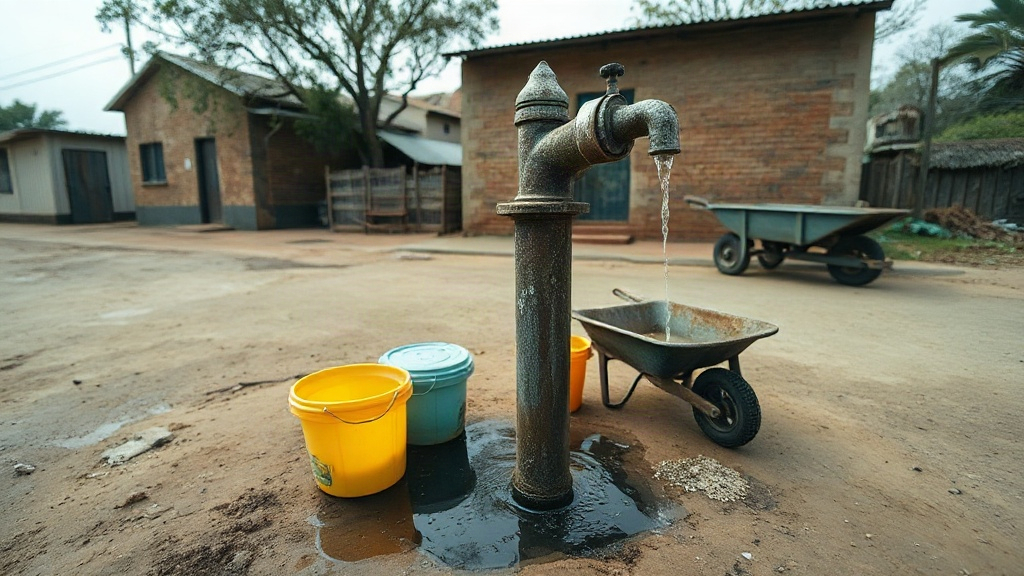
More than 430 people, most of them children, have been hospitalised after drinking water supplied to Bronkhorstspruit, Ekangala and Rethabiseng, and the Department of Water and Sanitation has opened a criminal case against the City of Tshwane over it.
The department’s case is that the municipality failed to chlorinate the water for about three weeks, even though it was drawn from an area affected by sewage pollution, and that residents were not adequately warned of the health risks.
As eNCA reported on 23 October, the South African Human Rights Commission is now demanding that the City of Tshwane urgently fix the contamination and that concerns raised about the area’s water treatment works, which the Commission says were flagged months ago, finally be answered.
The Commission is calling for immediate intervention, safe alternative water supplies and clear communication with the communities affected.
For residents of these three towns, the practical question is simple and unanswered in the material available: where the taps cannot be trusted, what water are they meant to drink, cook with and give to their children while the city and the department work out who is responsible for what.
The criminal case is the first time in this episode that a national department has moved against a municipality rather than issued guidance to it. It does not by itself restore a supply, and it does not say who will pay for alternative water in the meantime.
The Human Rights Commission’s involvement matters because it is the body with a constitutional mandate to step in where a service failure becomes a rights failure. Its demand for safe alternative supplies is the closest thing in the record to an answer for households that cannot use their own taps.
What remains unknown from the public record is how far the contamination spread beyond the three areas named, what the test results for the treatment works showed, and what the city says in response to the department’s case. The Enquirer has not seen a City of Tshwane statement on the criminal case.
The Commission’s complaint, as it stands, is that warnings were raised and not acted on for months. That is the question the city will have to answer, and it is the question residents have been asking since the first children were admitted.
- Pastor and wife dump bail, third accused fights to get out as court waits 2026-10-16
- 200 people found chained at unregistered Mpumalanga rehab centre as couple arrested 2026-10-16
- Ne-Yo plays Cape Town on Saturday, Pretoria on Sunday as Cape Malay choirs fill Artscape 2026-10-16
- Bail bid in Durban: why the October 10 shutdown still costs traders and commuters 2026-10-16
- March and March denies Durban CBD violence as state fights bail for parolee Wandile Nsibande 2026-10-16
- Charges collapse against crime intelligence officer Ismail Dawood 2026-10-27