Treasury signs $1bn NDB loan for eight metros, Joburg gets three-year plan
The second loan for the same reform programme will be repaid over 16 years, with performance targets that metro councils must approve.
South Africa has signed a $1 billion loan with the New Development Bank to upgrade infrastructure across the country’s eight metropolitan municipalities, National Treasury said on Tuesday. The money, more than R16 billion at current rates, is the second loan the country has taken for the same programme.
The loan funds the Metro Trading Services Reform Programme, which targets the services metros sell to residents and businesses: water and sanitation, electricity and energy, and solid waste management. The first loan under the same programme was signed earlier.
National Treasury said the $1 billion will be repaid over 16 years, with a three-year grace period, at an interest rate linked to the Secured Overnight Financing Rate plus 1.18508%. The rate is set against a US benchmark, which means the rand cost of repayment will move with the exchange rate over the life of the loan.
As The Citizen reported on 15 September, the loan was prepared with other development partners active in South African infrastructure. The New Development Bank is financing the programme alongside the World Bank, the Asian Infrastructure Investment Bank, the German development bank KFW and the French Development Agency. The eight metros covered by the programme are Johannesburg, Cape Town, eThekwini, Ekurhuleni, Tshwane, Nelson Mandela Bay, Buffalo City and Mangaung.
The money is tied to performance
The loan is not a straight transfer. Treasury said financing is linked to institutional strengthening and to measurable performance targets that must be independently verified and approved by each metro council for its trading services. In practice, that means a council has to sign off on what its water, electricity and waste departments will deliver before the money moves.
The structure matters for residents because it puts the targets on a public council agenda. A metro that misses them does not simply get the next tranche. The reform programme is built on South Africa’s existing legal, fiscal and institutional framework rather than a parallel structure, Treasury said.
Godongwana’s three years in Johannesburg
The announcement follows Finance minister Enoch Godongwana’s keynote address at the Development Bank of Southern Africa’s financial results presentation on Monday, where he set out a three-year plan for the City of Johannesburg.
“We have got a strategic development plan for an intensive intervention in the City of Joburg. We intend to move in there and stick around for three years, irrespective of the outcome of elections,” Godongwana said.
“I can tell you now, whatever the outcome of the elections, any government that comes will need our support. We will be there for the next three years, and we are working together with the DBSA.”
South Africans vote in local government elections on 4 November 2026. Johannesburg has been run by a succession of coalition administrations since 2021, and the metro’s finances and service delivery have been under National Treasury scrutiny for several years.
Godongwana said Treasury will support the metro in five key areas, which he did not name. He said the intervention will not dissolve the council. “We are going to provide support. We are not going to dissolve them. It is too late because of the elections. We don’t know what the outcome is going to be. But we will finalise the objective in three years. In other words, we will get Johannesburg right,” he said.
The five areas are likely to track the reform programme’s focus on governance, financial sustainability and the operational performance of trading services.
Why the pipes matter more than the politics
Godongwana acknowledged that the city does not have an infrastructure plan, and said most of the money currently goes to fixing leaks because the infrastructure is old. That is the detail residents will recognise. Johannesburg’s water network loses a large share of what it pumps through leaks and illegal connections, and the city’s own reporting has repeatedly flagged the cost of patching rather than replacing.
The DBSA, which is working with Treasury on the intervention, funds infrastructure projects in South Africa, the SADC region and the rest of Africa. Its involvement gives the Johannesburg plan an implementing agency with a project pipeline, rather than a support arrangement that exists only on paper.
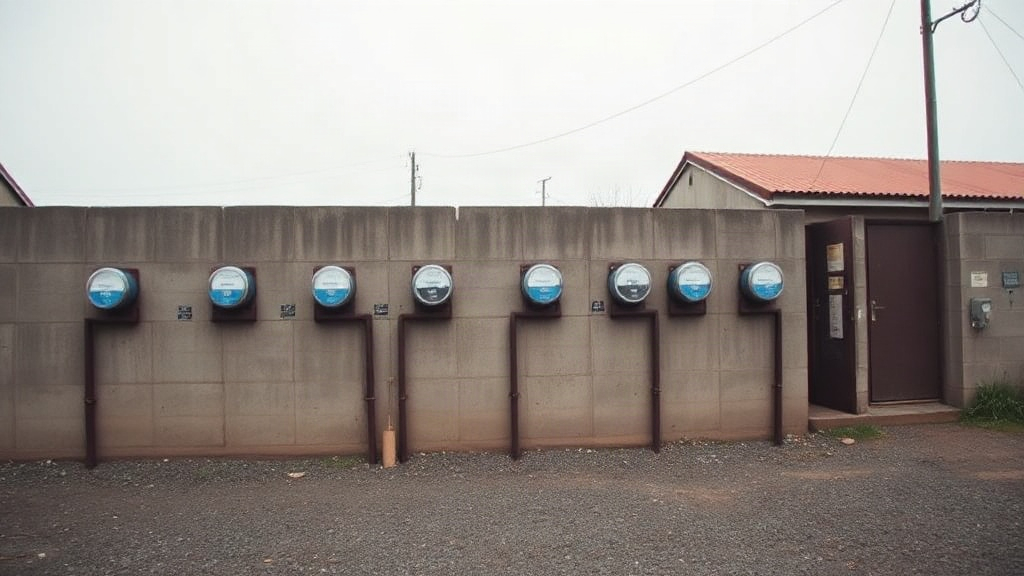
For ratepayers in the eight metros, the practical test is whether the loan changes what happens at the meter, the substation and the landfill site. The performance targets that metro councils must approve are the mechanism meant to connect the financing to that outcome, and they are the documents worth watching in the months ahead.
Source: The Citizen, Treasury signs another loan to fix City of Joburg and others, 15 September 2026.
- Kubayi to launch 30-year Constitution anniversary at Apartheid Museum 2026-09-10
- Mashatile sends Lesufi to Soweto synod with a prayer for the elections 2026-09-14
- Kubayi to open UJ's first AI and law conference in Skukuza 2026-09-16
- IDC and DBSA sign energy deal for seven special economic zones 2026-09-16
- Tau names 24 hydrogen projects as R3bn fund closes first round 2026-09-16