Transnet's R4,6bn profit rests on a R12,5bn Durban port gain
The state logistics group's first profit in four years came from a one-off accounting gain, while R150,7bn of debt cost R17bn in interest and rail still ran at a R13,25bn loss.
Transnet posted a R4,6 billion profit for the year to March 2026, its first in four years, but the number rests on a single accounting entry of R12,5 billion from handing the running of Durban Container Terminal Pier 2 to a private operator. Take that gain away and the group’s year was a loss again.
As Moneyweb reported on 18 September, the profit reverses a R1,9 billion loss in the prior year. The gain arose from the concession of Pier 2 to International Container Terminal Services Incorporated, which has taken over the management and operations of the terminal.
That distinction matters for anyone reading the result as a recovery. A one-off accounting gain does not repeat. It cannot be used to repay debt or to fund the rehabilitation programme that the network needs.
The debt is the story
Transnet’s borrowings rose to R150,7 billion from R144,8 billion the previous year. About half of that debt traces back to the state capture years, and it carries an interest burden that will sit on the group’s income statement for years to come.
Transnet paid R17 billion in interest in the year to March 2026, up from R15,8 billion. That is roughly R1,42 billion a month, or R47 million a day. After capitalising some borrowing costs, R16,4 billion was charged against earnings, more than three and a half times the reported profit.
Approved government guarantee facilities have reached R196,3 billion, with R74,3 billion of Transnet’s debt covered by guarantees at year end. The group raised R36,2 billion in new funding during the year, and lenders granted waivers after it breached interest cover covenants affecting R30,8 billion of loans. Those guarantees are now central to Transnet’s ability to refinance maturing debt and to keep trading as a going concern.
The cost does not stop at Transnet’s own books. Lost export sales and higher logistics costs are estimated at roughly R500 million a day, an improvement on the earlier estimate of R1 billion a day, which reflects more coal and iron ore moving by rail.
Rail is still losing money
The divide inside the group is stark. The National Ports Authority, Port Terminals and Pipelines together generated R16,6 billion in pre-tax profit. Freight Rail and the Rail Infrastructure Manager recorded a combined R13,25 billion loss. Transnet Engineering added a further R4 billion loss.
Freight rail volumes improved to 167,9 million tonnes from 160,1 million tonnes, but remain below the group’s 180 million tonne target. CEO Michelle Phillips has said reaching that volume is necessary for the underlying business to break even, which confirms the operational turnaround is not finished.
Eleven private operators have been allocated routes on the rail network, and they will enter a system weakened by years of underinvestment, theft and deferred maintenance. The reform brings private trains onto the tracks. It does not by itself finance the track repairs they need to run reliably.
Transnet has estimated that restoring and upgrading the freight network, including signalling, will require about R50 billion over five years. Transnet Rail Infrastructure Manager spent R8 billion on capital projects in 2026, and the group’s wider five-year investment programme has risen to R129,1 billion, of which R115,9 billion is earmarked for maintaining and rehabilitating rail, port and pipeline infrastructure.
What Pier 2 changes for exporters
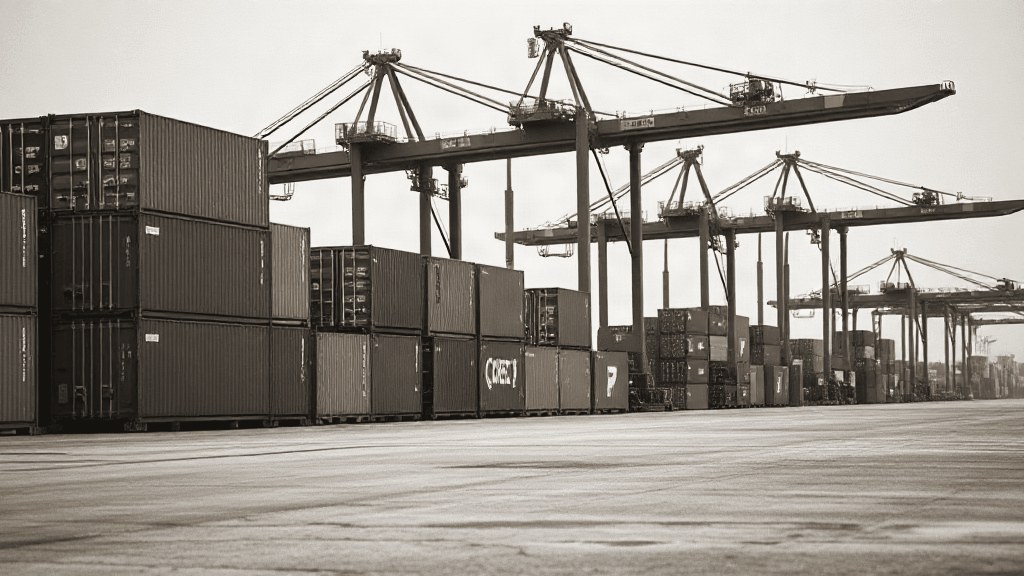
Pier 2 handles about 46% of South Africa’s container volumes and has long been a source of congestion and delay for importers and exporters. Under the concession, ICTSI operates the terminal and is expected to bring international expertise and private capital to its modernisation. The partners plan to lift capacity from two million to 2,8 million twenty-foot equivalent units and to improve crane productivity.
That is the part of the deal that can show up in the real economy. A terminal that moves containers faster shortens the wait for a manufacturer in Gauteng or a fruit exporter in the Western Cape, and it lowers the cost of moving goods through the country’s main container gateway.
The question the reforms have not yet answered is whether a debt-laden Transnet can generate enough cash to rehabilitate the network while charging access tariffs that private operators can afford. Transport specialists have argued that the 2022 National Rail Policy needs to go further, placing the rail network in a properly capitalised and operationally independent infrastructure entity, with operators competing for access in the way road users use infrastructure administered by Sanral.
Until the network’s debt burden and rehabilitation backlog are addressed, adding private trains may simply add operators to a railway that cannot yet run reliably.
Source: Moneyweb, Durban port deal rescues Transnet from another nasty loss
- Police find fifth woman's body near Kempton Park as search for missing jogger continues 2026-09-14
- Sixth woman found in Ekurhuleni as ex-SAPS profiler calls for serial killer investigation 2026-09-15
- Gauteng police confirm six women found dead in Ekurhuleni as Kekana appeals for information 2026-09-15
- Police task team probes five Kempton Park deaths as family identifies runner Elizabeth Moselakgomo 2026-09-15
- Seven women found dead in Ekurhuleni as top police and ministers meet in Parktown 2026-09-15
- Police confirm eighth body in Ekurhuleni and offer R400 000 for information 2026-09-15
- Police put R400 000 on the table in Kempton Park murders probe 2026-09-15
- Police form high-level team as eighth body found in Ekurhuleni 2026-09-15
- Seven women found dead in Gauteng in two months as safety audit is demanded 2026-09-15
- Police raise Ekurhuleni toll to seven women as task team hunts suspects 2026-09-16