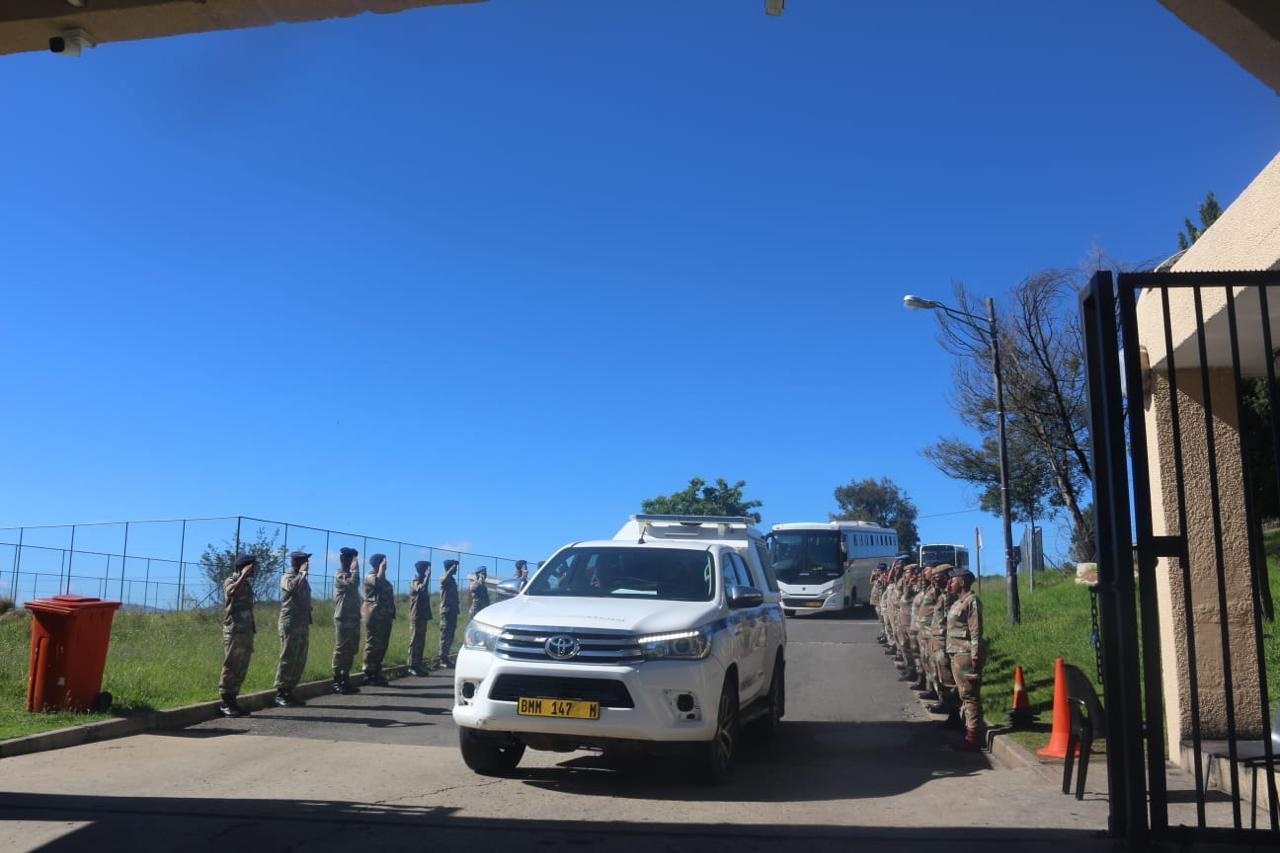
Soweto and Durban traders paid for the protests with closed shops and lost days
NATJOINTS says heightened police deployments will stay in Durban and Johannesburg hotspots after this week's anti-undocumented-immigration protests, with 30 arrests recorded, 25 in KwaZulu-Natal and 5 in Gauteng.
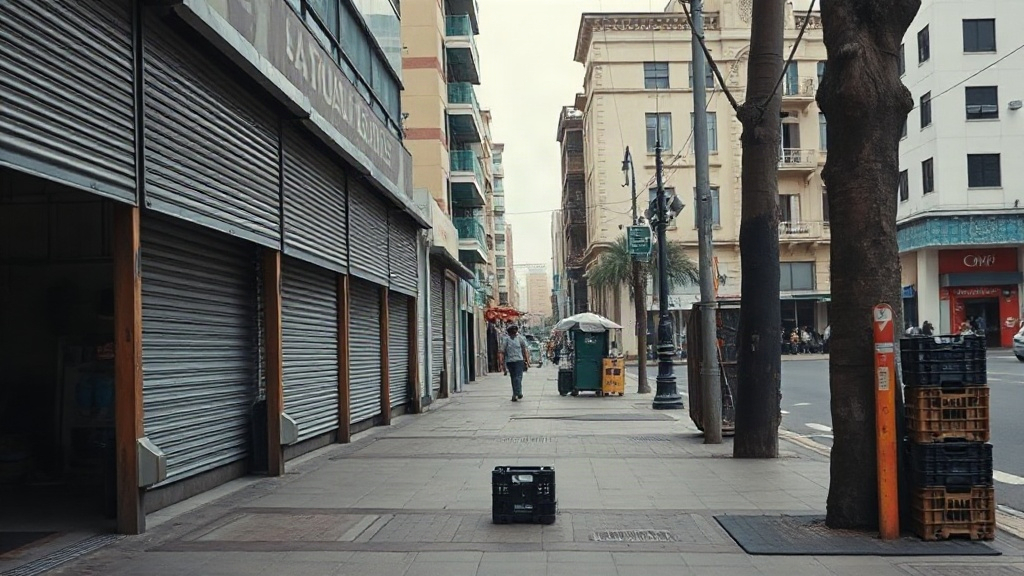
Traders in the Durban CBD and in Soweto shut their doors and packed up their stalls this week as anti-undocumented-immigration protests moved through both areas, and the heightened police deployments that followed will stay in place at hotspots in Durban and Johannesburg.
That is the sequence as the National Joint Operational and Intelligence Structure, NATJOINTS, set it out in a briefing on Saturday. As SABC News reported on 10 October, NATJOINTS says criminality will not be tolerated and that the deployments will remain at the identified hotspots. Thirty people have been arrested, 25 in KwaZulu-Natal and 5 in Gauteng. The offences listed are public violence, illegal gathering, obstruction and resisting arrest.
For a spaza owner on a Soweto main road, or a trader with a table in the Durban CBD, the arithmetic of a week like this is simple and unforgiving. A day with the shutters down is a day with no till. Stock bought for the week does not sell itself, and perishables do not wait for the streets to settle. A stallholder who packs up at midday loses the afternoon trade and the evening trade with it, and the rent on the pitch or the shop does not pause because the road was closed.
Those costs do not appear in an arrest count. They fall on the people who were not part of any march and who have no memorandum to hand to anyone.
NATJOINTS is the structure that coordinates the South African Police Service with the metro police services and the intelligence community when an event crosses provincial and operational lines. Its briefings are the point at which a week of scattered incidents becomes a single national account, which is why the numbers it gives are the ones that will be quoted from here on. The 30 arrests divide 25 to KwaZulu-Natal and 5 to Gauteng, and the charges attached to them are the ordinary ones that follow a crowd and a police line: public violence, illegal gathering, obstruction and resisting arrest.
The protests themselves were directed at undocumented immigration, and they took place in the Durban CBD, in Soweto and in Johannesburg. The enforcement demand behind them is not new in either province. It is the same demand that has filled Home Affairs queues, put pressure on clinics and classrooms, and been raised by residents’ associations and informal traders’ groupings for years, and it is the demand that the state is now answering with a police presence rather than with a processing backlog cleared.
What the deployments will mean in practice is the open question for the people who live and work in the hotspots. A sustained police presence in a CBD can restore a trading day, and it can also close a street. Commuters who use the affected routes will notice it in their travel times. Traders will notice it in whether they can set up at all.
NATJOINTS has not said how long the deployments will run or which specific streets are covered, and no further detail on the arrests has been released. The 25 people held in KwaZulu-Natal and the 5 in Gauteng now move into the courts, where the state’s case against each will be tested on its own facts.
For everyone else on those streets, the week ends where it started. The stall goes back up, the stock that survived gets sold, and the days that were lost stay lost.