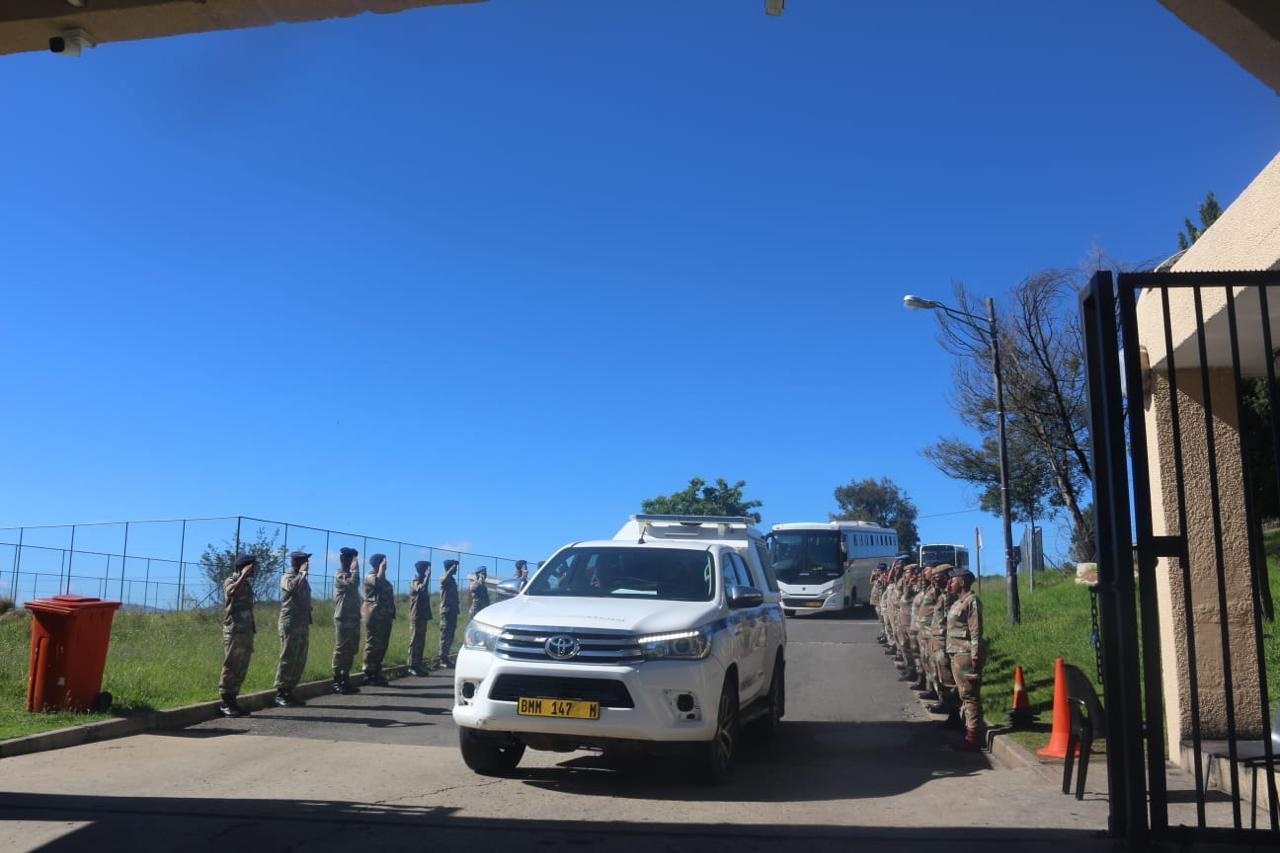
Soweto and Durban traders count the cost: three days of shutdown, 30 arrests, and a police cordon that will not lift
NATJOINTS says heightened deployments remain at hotspots in Durban and Johannesburg after this week's anti-undocumented-immigration protests, with 25 of the 30 arrests recorded in KwaZulu-Natal and 5 in Gauteng.
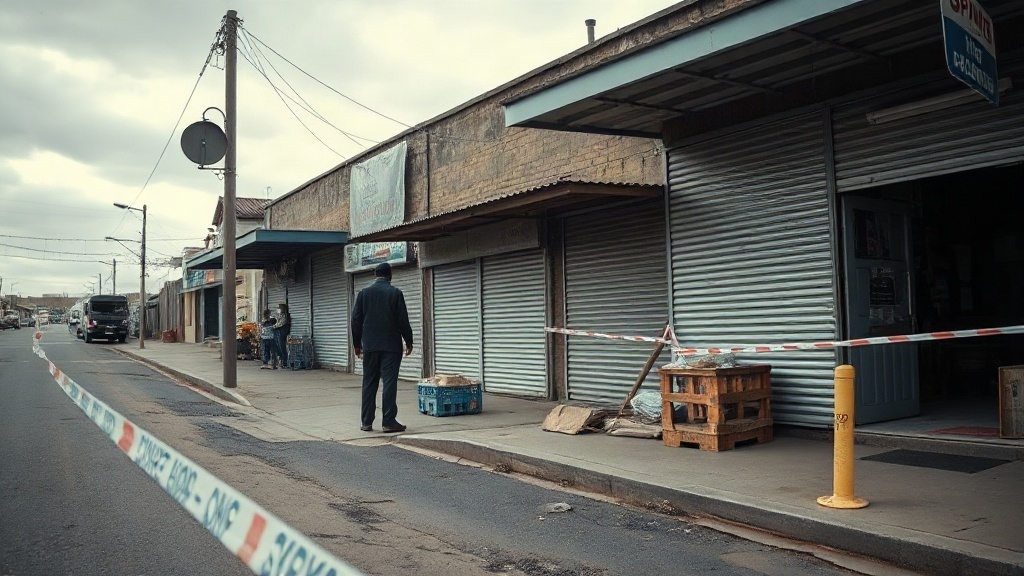
Traders in the Durban CBD, Soweto and central Johannesburg are working out what this week cost them. Streets that carry the daily takings of hawkers, spaza owners, taxi operators and small shops were shut or thinned out for days as anti-undocumented-immigration protests moved through the three areas. The people who lost the trading days are the people who live off them, and the state’s answer so far is a standing police deployment and a set of charges.
As SABC News reported on 10 October, the National Joint Operational and Intelligence Structure, NATJOINTS, says heightened police deployments will remain in place at hotspots in Durban and Johannesburg. Thirty arrests have been made, 25 in KwaZulu-Natal and 5 in Gauteng, for offences including public violence, illegal gathering, obstruction and resisting arrest.
NATJOINTS is the structure that coordinates the South African Police Service with the metro police, the defence force and the intelligence services when a situation is judged to be beyond a single province or a single force. When NATJOINTS speaks, it is the national state speaking, not one station commander. Its decision to leave deployments in place means the cordon outlasts the march. For a trader on Dr Pixley kaSeme Street or a shopkeeper on Bree, that is the practical difference between a bad week and a bad month. Foot traffic that does not return is turnover that does not return.
The reasons being given for the protests are not a mystery. They are the load that residents in these areas say they carry: competition for trading spots and customers in the informal economy, pressure on clinics and schools, and a Home Affairs system that South Africans queue in for identity documents, permits and asylum decisions. Those are the grievances the marchers put forward, and they are now part of a public argument the state has to answer. The Enquirer reports those demands as the political position they are. Whether every claim made at a march is accurate is a separate question, and it is answered on the evidence, not on the volume of the crowd.
What South Africans will notice first is not the arrest figure. It is whether the taxi rank is operating, whether the clinic queue is moving, whether the shop gate is up, and whether the police who are standing on the corner are there to keep the road open or to keep it closed. A deployment that stays in place after the protest has dispersed is felt as a tax on the ordinary day. Commuters in Soweto and Durban pay it in taxi fares and in hours. Traders pay it in stock that does not move.
The 30 arrests are a fact and they belong where they belong, after the reason people were on the street. What is not yet in the public record is the breakdown of who was arrested, what evidence supports each charge, and when any of them will appear in court. Those are the questions a reader is entitled to have answered, and the state has not yet answered them. Until it does, the arrests are an allegation in the legal sense, not a finding.
The deeper question is the one the deployment does not touch. South Africa has run anti-immigration enforcement drives before, and the pattern is familiar: a visible police presence, a spike in arrests, then a return to the same queues and the same pressure on services. If the underlying complaints are about Home Affairs capacity, clinic load, school places and trading rights, then a standing deployment in Durban and Johannesburg is a response to the symptom and not to the cause. That is not a criticism of the police who are doing the work. It is a statement about what the work can and cannot achieve.
For now, the people who will measure this week are the ones counting the till. The traders in the Durban CBD, the Soweto shop owners and the Johannesburg commuters who lost days will know by the end of the month whether the streets came back. NATJOINTS has said the deployments remain. It has not said when they will end, and it has not said what, if anything, will change for the people who were marching or for the people they were marching about.