Soweto and Durban traders count the cost as 30 arrests follow this week's anti-immigration protests
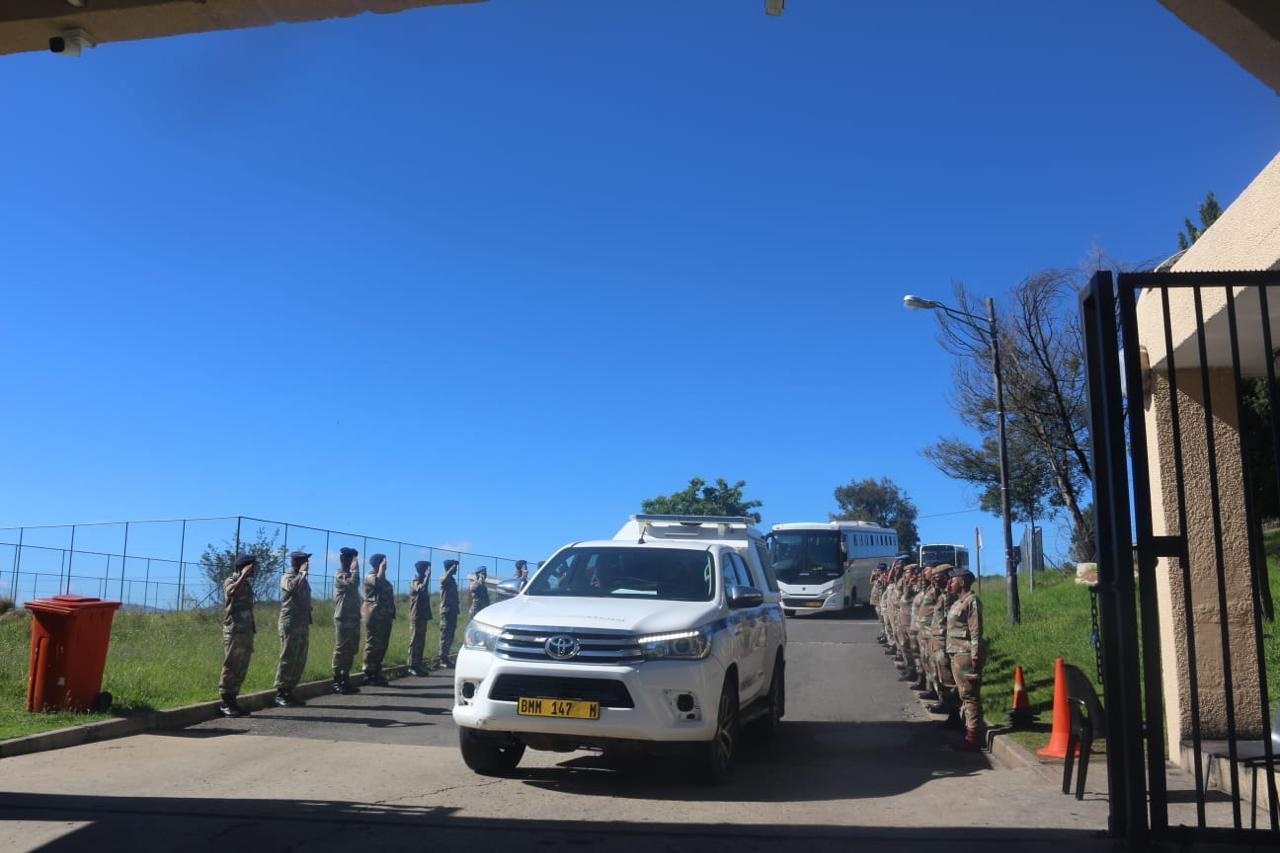
NATJOINTS says heightened police deployments stay in place at hotspots in Durban and Johannesburg after this week's protests, with 25 arrests in KwaZulu-Natal and 5 in Gauteng.
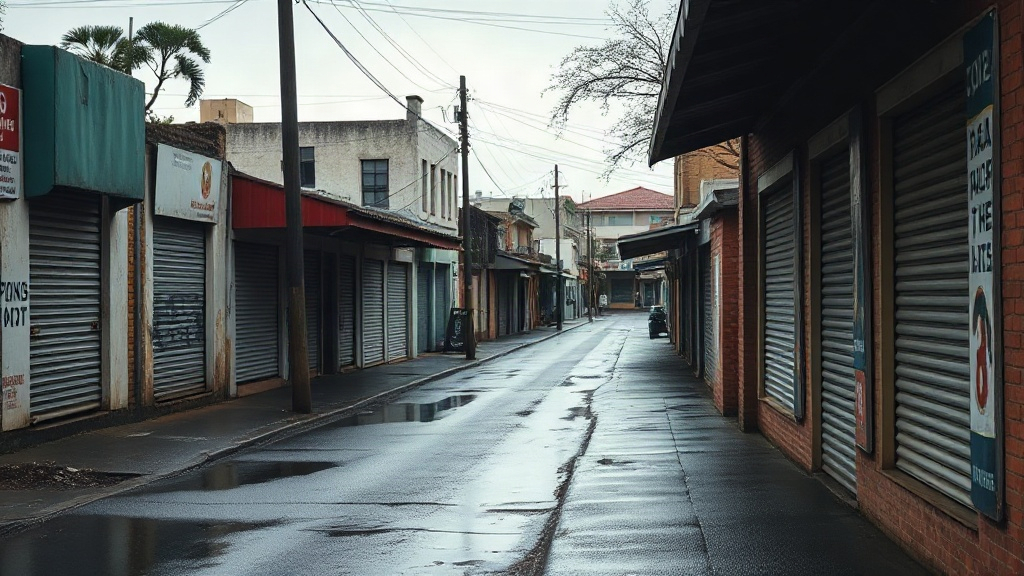
Traders in the Durban CBD and in Soweto and Johannesburg lost trading days this week when protests against undocumented immigration shut streets and shopfronts, and the police answer so far is a deployment that stays in place and 30 arrests.
The National Joint Operational and Intelligence Structure, the body that coordinates the police, the metro police and the intelligence services when a national operation is running, said heightened deployments will remain at the hotspots in Durban and Johannesburg. As SABC News reported on 10 October, 30 arrests have been made, 25 in KwaZulu-Natal and 5 in Gauteng, for offences including public violence, illegal gathering, obstruction and resisting arrest.
NATJOINTS is not a police station and it is not a single unit. It is the standing structure that draws the South African Police Service, the metro departments, the intelligence services and other state agencies into one command when an event is judged to need a national response. When it says a deployment will remain in place, that is the state telling residents of the affected areas that the police presence they saw this week is not being scaled back yet.
What that means on the ground is uneven. A trader with a stall in the Durban CBD who closed for a day does not get that day back. A shop that pulled its shutters down in Soweto or central Johannesburg lost the till take for the hours it stayed closed, and the staff who were sent home were sent home on a day they would otherwise have worked. Commuters who normally pass through those areas had to find another route or stay put. None of that is recovered by an arrest, and none of it appears in an arrest count.
The protests were against undocumented immigration, and they follow a longer argument in these same areas over the pressure that residents and informal traders say they carry: competition for trading space, the strain on clinics and schools, and what communities describe as a slow state response on documentation and enforcement. Those demands are the reason people were on the streets. The arrests are what happened afterwards.
The 30 arrests divide unevenly across the two provinces. KwaZulu-Natal accounts for 25 of them and Gauteng for 5, which reflects where the bulk of the enforcement action fell this week rather than a measure of how many people were on the streets. The offences listed by NATJOINTS are public violence, illegal gathering, obstruction and resisting arrest. Those are the state’s case against named individuals, and each will be tested in court in the ordinary way.
What a reader in Durban or Johannesburg will notice first is not the charge sheet. It is whether the streets they use are open, whether the shop they buy from is trading, and whether the taxi route they take is running normally. The deployment staying in place suggests the state expects the pressure in those areas to continue, at least in the short term.
For the traders who closed, the cost has already been paid. The question they are left with is the same one they had before this week: whether the enforcement they have been asking for arrives, and whether it arrives without costing them another trading day.