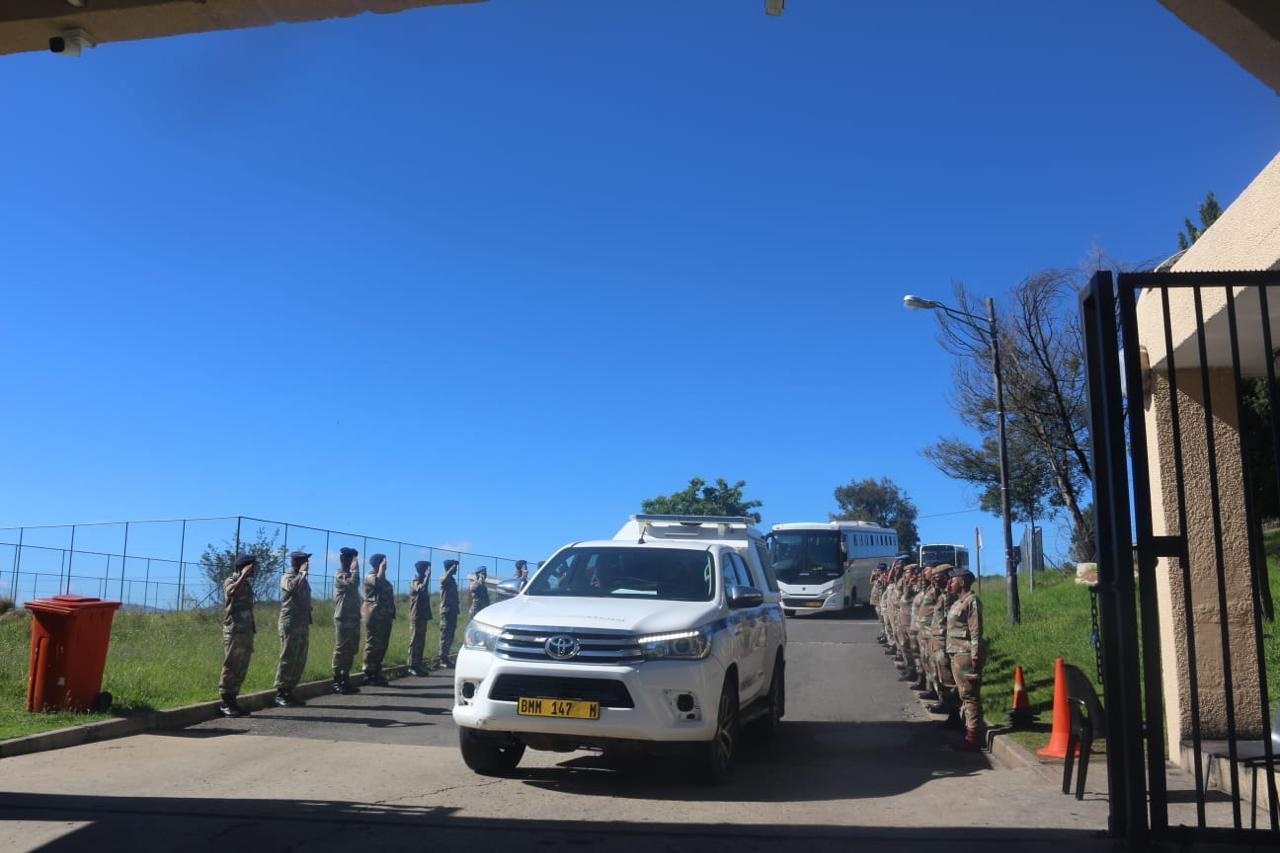
Soweto and Durban streets shut in immigration standoff as police hold hotspots and 30 are arrested
Residents and traders in the two cities are demanding enforcement on undocumented immigration while NATJOINTS keeps heightened deployments in place and confirms 25 arrests in KwaZulu-Natal and 5 in Gauteng.
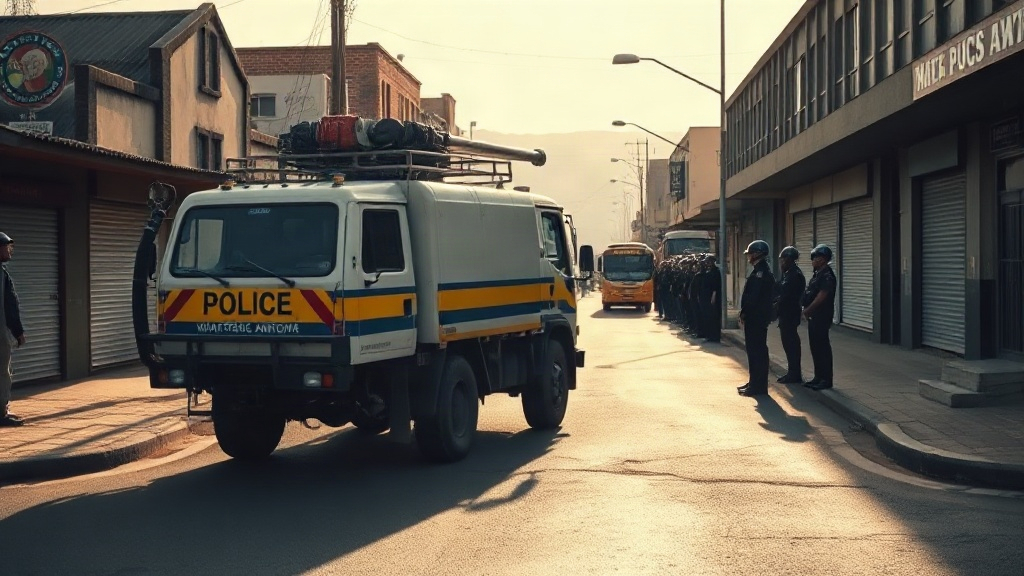
South Africans in the Durban CBD, in Soweto and in Johannesburg took their demand for enforcement on undocumented immigration into the streets this week, and the police are staying where they marched.
The National Joint Operational and Intelligence Structure, NATJOINTS, says heightened deployments will remain in place at hotspots in Durban and Johannesburg after what it describes as protests over the last few days. Thirty people have been arrested, 25 in KwaZulu-Natal and 5 in Gauteng. The offences listed are public violence, illegal gathering, obstruction and resisting arrest.
That is the state’s account of the week. The account of the people who went out is about the load they say they are carrying: informal traders who say the pavement outside their stalls is worked by people with no papers, residents who say the flats and backrooms around them have filled without any register, and commuters who say the same streets have become harder to use after dark. Those are the conditions South Africans were protesting about, and they are the reason the crowds formed in the first place.
What the public is demanding is not complicated. Enforcement. Visible policing in the areas where the pressure is felt. A Home Affairs system that can say who is in the country and act on it. The march was the demand being made out loud, and the arrests do not answer it.
As SABC News reported on 10 October, NATJOINTS said criminality will not be tolerated and that deployments will stay at the hotspots. The Enquirer’s account here draws on that briefing for the figures and the operational position, and credits the broadcaster for publishing it.
The number that matters to a reader in Durban or Soweto is not 30. It is the number of people who felt strongly enough to shut a street in the middle of a working week. Thirty arrests is a fact, and it sits after the reason the crowds were there, not before it.
NATJOINTS is the structure that coordinates the South African Police Service with the intelligence services and the metro police when a public order situation is judged serious enough to need a single command. When it briefs, it is speaking for the whole state response, not for one station. Its decision to keep deployments in place is a statement that the state expects the pressure in those areas to continue.
What has not been settled is the thing the crowds were asking about. Nobody has said how many people in the Durban CBD or in the Soweto and Johannesburg hotspots are undocumented, because no register exists that could say. Nobody has said what happens to the people who were arrested, beyond the offences listed. Nobody has said whether the enforcement the marchers want is coming, or whether the deployment is only there to keep the streets open.
South Africans watching this from outside the hotspots will recognise the pattern. A grievance builds in a neighbourhood, residents take it to the street, the state answers with a deployment and a charge sheet, and the underlying question is left where it was. That is what happened this week, and it is why the story does not end with the arrests.
The Enquirer will keep reporting on the enforcement question in Durban and Johannesburg, on what Home Affairs can actually process and remove, and on what residents and traders in those areas say they are living with. We will report what the state does, not only what it says.