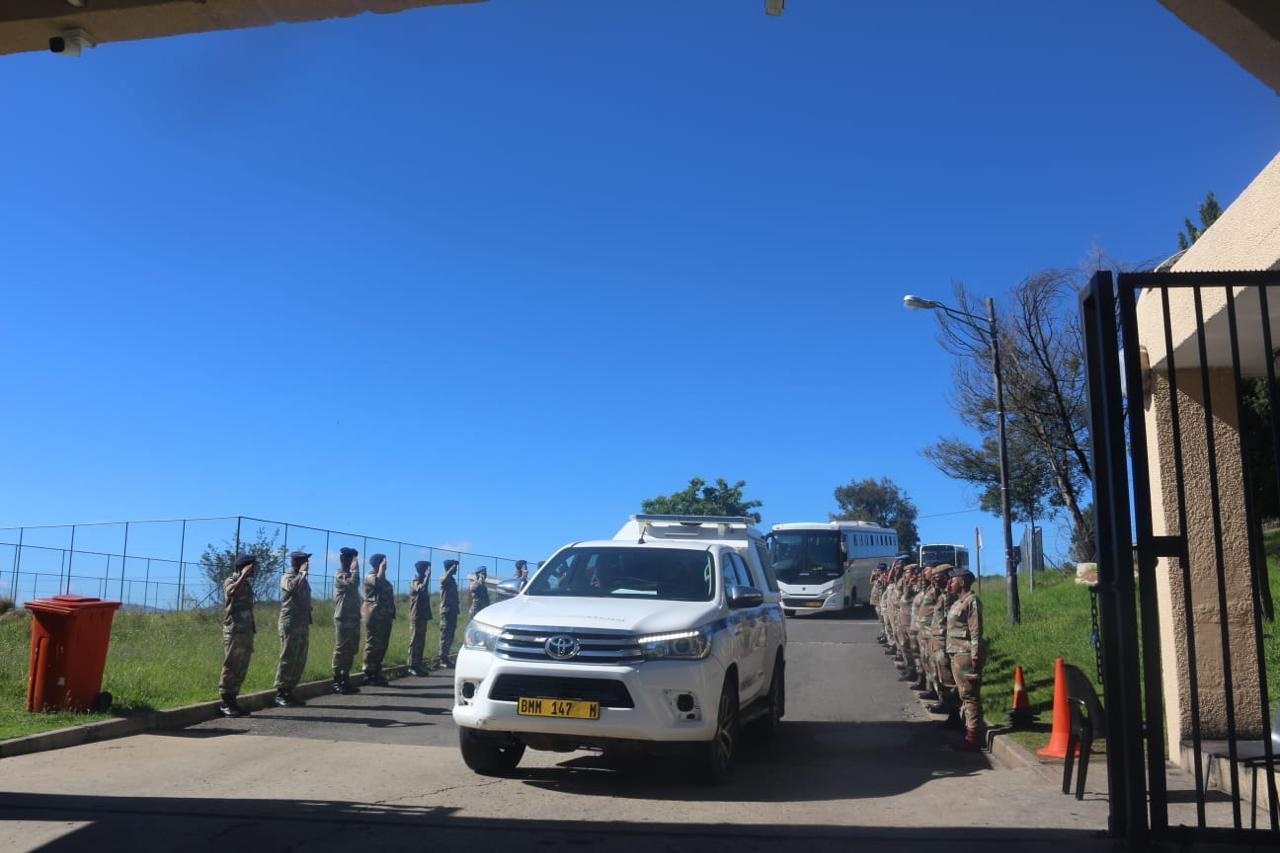
Soweto and Durban rise over illegal immigration as police hold the hotspots
Residents in Durban and Soweto took their enforcement demand to the streets this week, and NATJOINTS says deployments will stay in place at the flashpoints.
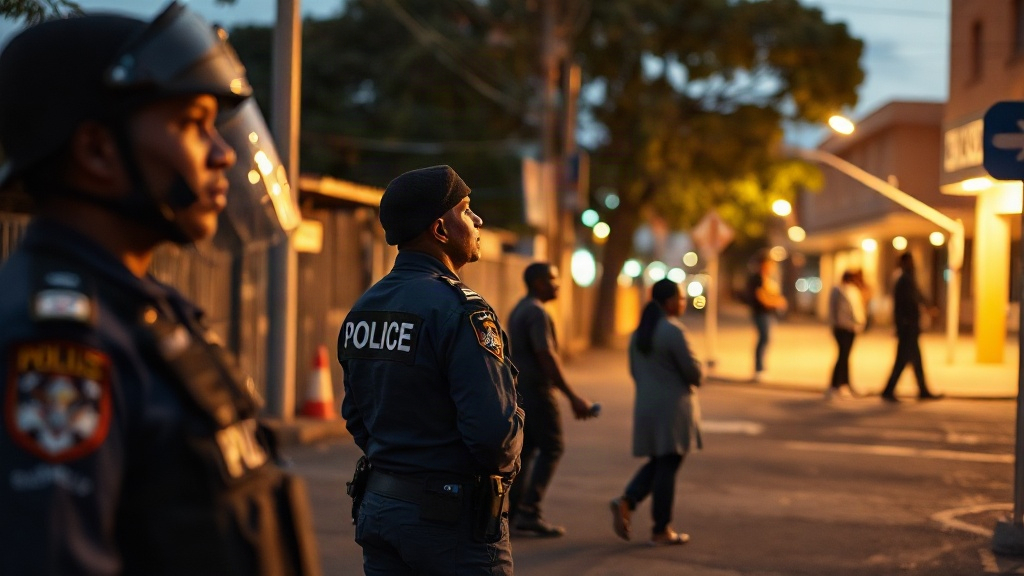
South Africans in the Durban CBD, in Soweto and in Johannesburg took their demand for enforcement against undocumented immigration into the streets this week, and the state has answered with a police presence that is not going away. The National Joint Operational and Intelligence Structure, NATJOINTS, said on Saturday that heightened deployments will remain in place at the hotspots in Durban and Johannesburg where the protests happened.
That is the shape of the week. Residents and traders in those areas say the pressure of undocumented immigration on their streets, their informal trading spots and their neighbourhoods is the reason they came out, and they want the state to enforce the law rather than explain it. The demand is not new. What is new is that it was made in the open, in numbers, in two provinces in the same week.
The unrest broke out earlier this week in the Durban CBD, in Soweto and in Johannesburg. Thirty people have since been arrested, 25 of them in KwaZulu-Natal and five in Gauteng. The offences listed are public violence, illegal gathering, obstruction and resisting arrest. Those are the state’s counts against people who were there, and they belong after the reason people were there, which is the enforcement question the marchers put to government.
As SABC News reported on 10 October, NATJOINTS said criminality will not be tolerated and that the deployments will stay at the hotspots. The structure is the state’s standing coordinating body for joint police, intelligence and security operations, and when it speaks about a deployment it is describing operational posture rather than policy. Nothing in that briefing changes the law on who may be in the country, who may work, who may trade or who may be removed. It says police will hold the ground.
What a South African reader will notice is what the briefing does not answer. It does not say how many people in the affected areas are undocumented, or how Home Affairs intends to deal with the queues and the permit backlog that sit behind the argument. It does not say what happens to the people who were arrested beyond the charges. It does not say whether the enforcement the marchers are asking for will be delivered at the street level where they say they feel it, or whether the deployment is there to keep the peace and then leave.
For the people who live and trade in the Durban CBD, in Soweto and in the Johannesburg areas affected, the practical questions are the ones that were being asked before the marches. Who is allowed to trade on this pavement. Who is allowed to rent this room. Who is on the clinic list. Who is on the school list. What the police can do when a resident points at a problem. Whether a complaint leads to a Home Affairs process or to nothing. Those are the questions that filled the streets this week, and a standing deployment does not by itself answer any of them.
The arrests carry their own weight for the families involved, and the charges will be tested in court in the ordinary way. This paper does not treat a crowd as a crime because a crowd gathered. The state’s case against each person is a matter for the courts, and it will be reported as such.
What is left after the week is a country having an argument it has been avoiding in public. Residents in Durban and Soweto have put the load on their streets on the record, in the only way that gets a response, and the response so far is police at the hotspots. The enforcement demand is now a standing item. The next move belongs to Home Affairs, to the police and to the politicians who have spent years treating immigration as a subject for statements rather than for operations.
The Enquirer will follow the court appearances arising from the 30 arrests and will keep reporting what residents in the affected areas say about the load on their streets, their services and their trading space. If Home Affairs sets out a concrete enforcement plan, or a removal figure, or a change to the permit and asylum process, that will be reported with the same weight as the deployment itself.