Soweto and Durban residents demand action on undocumented immigration as 30 arrests follow days of protest
Communities in Durban and Johannesburg say the load on clinics, schools and informal trading has become unbearable, while NATJOINTS confirms 30 arrests and says police will stay in the hotspots.
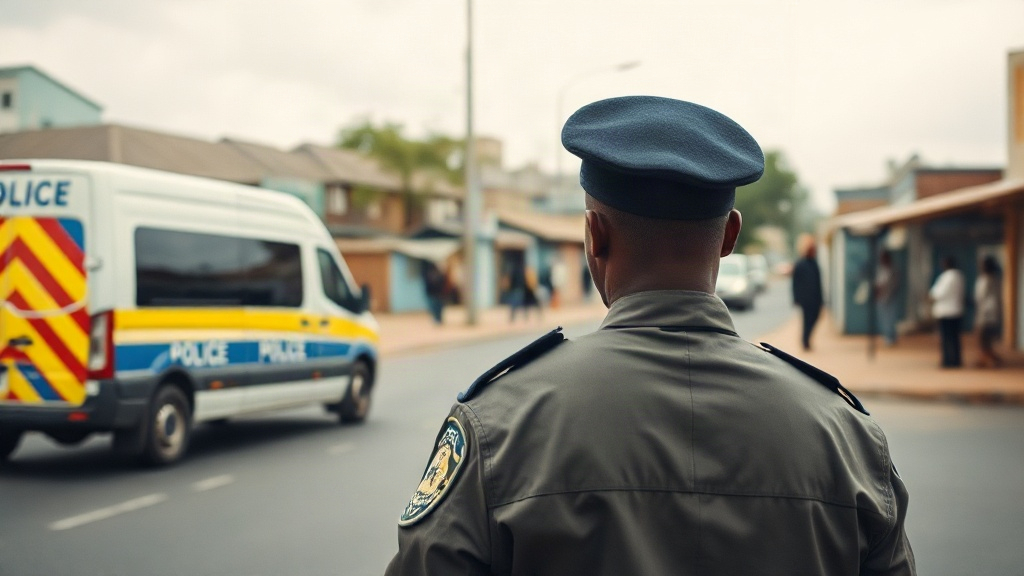
Residents in Durban and Soweto have spent this week demanding that the state act on undocumented immigration in their areas, in protests that have put the pressure on clinics, schools, informal trading and policing back at the centre of the national argument.
The National Joint Operational and Intelligence Structure says heightened police deployments will remain at hotspots in Durban and Johannesburg, and that 30 people have been arrested since the protests began. Twenty-five of those arrests were in KwaZulu-Natal and five in Gauteng, on counts including public violence, illegal gathering, obstruction and resisting arrest.
What has driven people onto the streets is not an abstraction. It is the daily arithmetic that South Africans in these areas describe: the clinic queue that does not move, the classroom that is overfull, the trading space that is contested, the police station that cannot keep up. Those are the conditions residents say they are living through, and they are the reason the crowds formed.
The protests broke out in the Durban CBD, in Soweto and in Johannesburg earlier this week. A quiet week it was not. Roads and businesses in parts of the Durban CBD were disrupted, and the deployment that followed is the state’s answer to a demand that residents have been making for some time.
The demand itself is straightforward and it has been made before. Residents want enforcement. They want the state to know who is in the country, to act on those who are not, and to relieve the pressure that the load places on services that are already stretched. That is the position the crowds carried into the streets this week, and it is a position that has been building in South African public argument for years.
NATJOINTS, which coordinates the police, the metro police and the intelligence services across all three spheres of government, confirmed the deployment and the arrest figures. It said heightened police presence will stay in place at the identified hotspots in Durban and Johannesburg.
The breakdown of the arrests is worth reading carefully. Twenty-five in KwaZulu-Natal, where the Durban CBD protests were concentrated, and five in Gauteng, where Soweto and Johannesburg saw their own crowds. The charges are the ones that attach to a public gathering that the state says crossed the line, and they will be tested in court in the ordinary way.
As SABC News reported on 10 October, NATJOINTS said criminality will not be tolerated and that the deployments will remain. That is the state’s position, plainly stated, and it is the position the department has taken at previous flashpoints.
The context a South African reader brings to this story is the context that matters. The country has argued about undocumented immigration for more than a decade. Home Affairs has been repeatedly criticised for the state of its systems, its queues and its inability to process the people who come through its doors. The Department of Employment and Labour has its own enforcement responsibilities. The police have their own. The result is a system that residents experience as a set of gaps, and the gaps are what people in Durban and Soweto say they are tired of explaining.
That does not make every person who crosses a border a criminal, and it does not make every South African who raises the issue something worse than a citizen with a complaint. Both of those propositions are true at once, and the public argument would be better if more of the people who comment on it could hold them together.
What the state has done this week is deploy and arrest. What it has not done, on the record supplied so far, is set out a plan for the underlying pressure that residents say they are under. That is the question the crowds have put to the government, and it is the question that will still be there when the police vans leave the hotspots.
The Enquirer will follow the court processes that flow from the arrests and the state’s response to the enforcement demand that residents have made. We will report what the record shows, and we will keep the people who raised the issue in the story, because they are the reason it is a story at all.