Shops shut and cars torched in Durban CBD as unrest follows asylum ruling
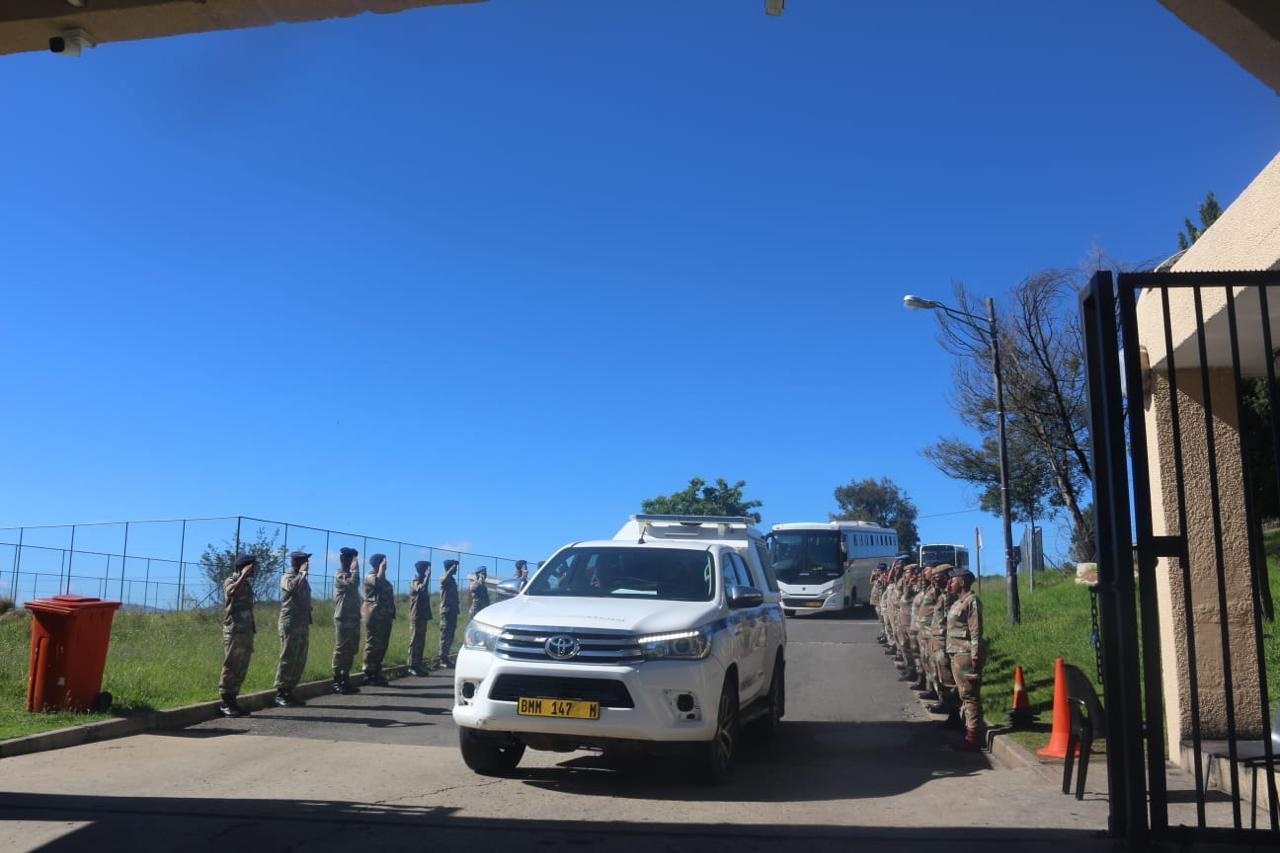
KwaZulu-Natal Premier Thami Ntuli has asked for the SANDF to help restore order after vehicles were set alight, buildings burned and businesses looted in the city centre.
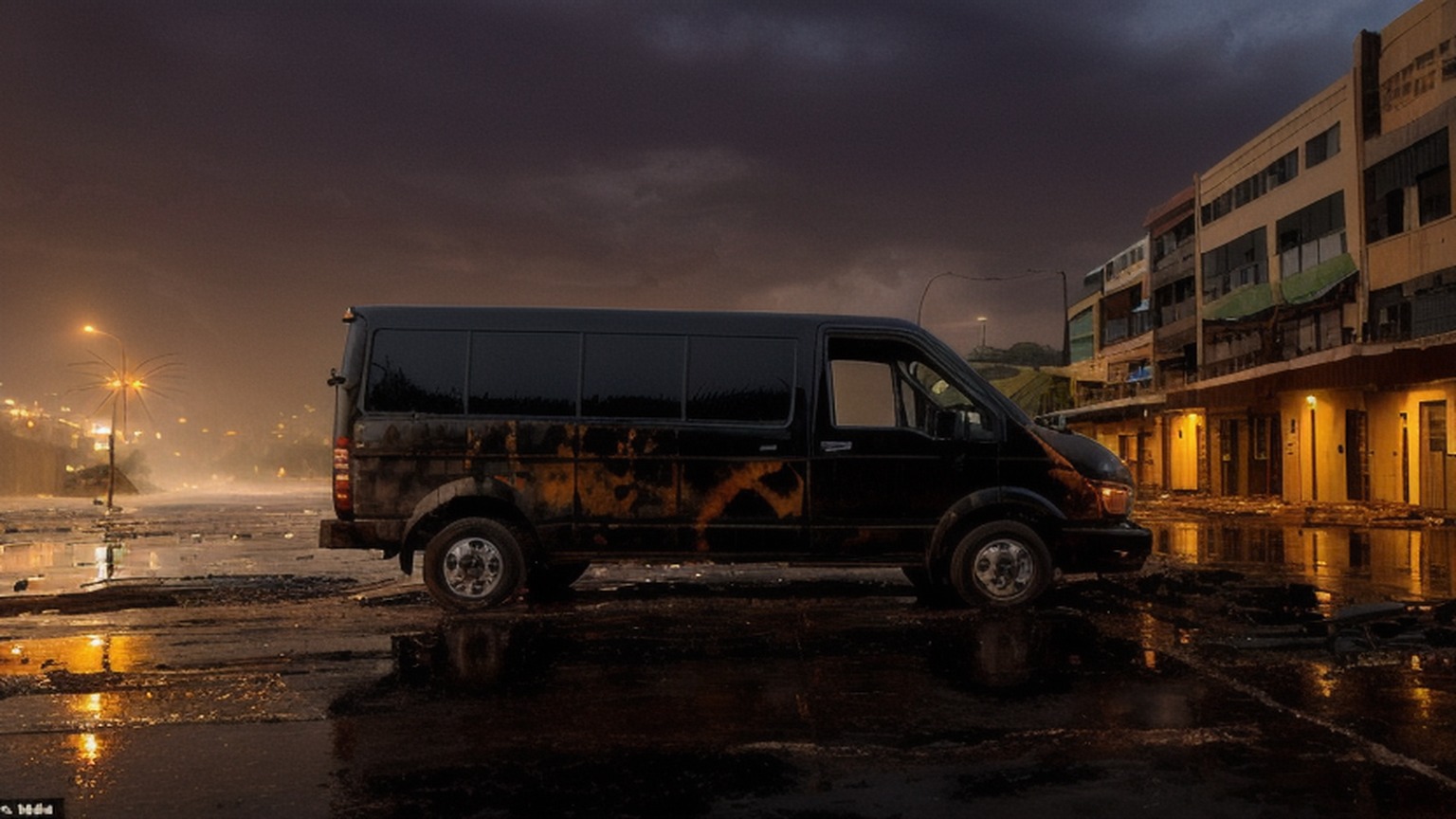
Businesses across Durban’s central business district stayed shut on Saturday after vehicles were torched, buildings set alight and shops looted during protests against undocumented immigration, with police remaining on high alert over reports of further planned marches.
As SABC News reported on 10 October, the unrest in the CBD has raised public safety concerns in the city centre, and KwaZulu-Natal Premier Thami Ntuli has requested the deployment of the South African National Defence Force to help restore order.
That request is the clearest signal of how the province is reading the situation. The SANDF is not a routine presence on South African streets. Its members are deployed in support of the police, under the Constitution they may not perform policing functions on their own, and a provincial request of this kind goes to the national government for a decision. Until that decision is made and gazetted, the policing of the CBD remains with the South African Police Service and the eThekwini Metro Police.
Behind the closed shutters is a straightforward economic fact that a reader outside Durban may not feel. The CBD is a working district. Traders, taxi operators, hawkers, banks, retailers and the people who travel in daily from KwaMashu, Umlazi, Inanda and beyond all depend on it opening. When it does not, the loss is not abstract. It is a day’s takings for a fruit seller, a shift not worked by a shop assistant, and a queue that does not move at a Home Affairs office that was already behind.
The unrest follows tensions around asylum applications after a Constitutional Court ruling opened access to the asylum process. That ruling concerns how people may apply, and it is worth stating plainly what it does not do, because a great deal of the argument in the last week has rested on a misreading of it. A court order that opens a process does not grant anybody refugee status, and it does not make anyone in the country lawfully documented by itself. Status is decided by the Department of Home Affairs on the facts of each application.
That distinction matters for the people standing on both sides of this. It matters for South Africans who are angry about pressure on services and jobs, and it matters for foreign nationals who have a legal right to apply and are waiting on a department that has not been able to keep up with its own queues. Neither of those groups is served by a city centre that has to close.
It also matters for the law. No group, movement or individual may enforce immigration law in South Africa. That authority belongs to the state alone. Torching a vehicle, setting a building alight, looting a shop and blocking a road are crimes, whether or not the person committing them believes they are acting on a grievance. Intimidation, public violence, arson and unlawful deprivation of liberty are all offences in South African law, and a self-declared deadline issued by a crowd has no standing in it.
Where the state has acted, that belongs in the record too. The police have stayed deployed in the CBD, have remained on alert for planned marches, and the province has moved to escalate rather than stand back. The request for defence force support is itself an institutional response, and it is the kind of response that has restored order in comparable situations in this country before.
What ordinary people in Durban will notice over the coming days is not the argument about a court judgment. It is whether the shutters go up on Monday, whether the taxis run, whether the police are visible at the intersections that were burning, and whether the people who lit the fires are arrested and charged. Those are the measures that will tell the city whether this has passed.
The Enquirer will report the outcome when it comes.
Source: SABC News, Shops remain closed amid public safety fears in Durban’s CBD