Police stay in Durban and Soweto hotspots after protest week, 30 arrested
NATJOINTS says deployments remain in place after violent protests over undocumented immigration, with 25 arrests in KwaZulu-Natal and five in Gauteng.

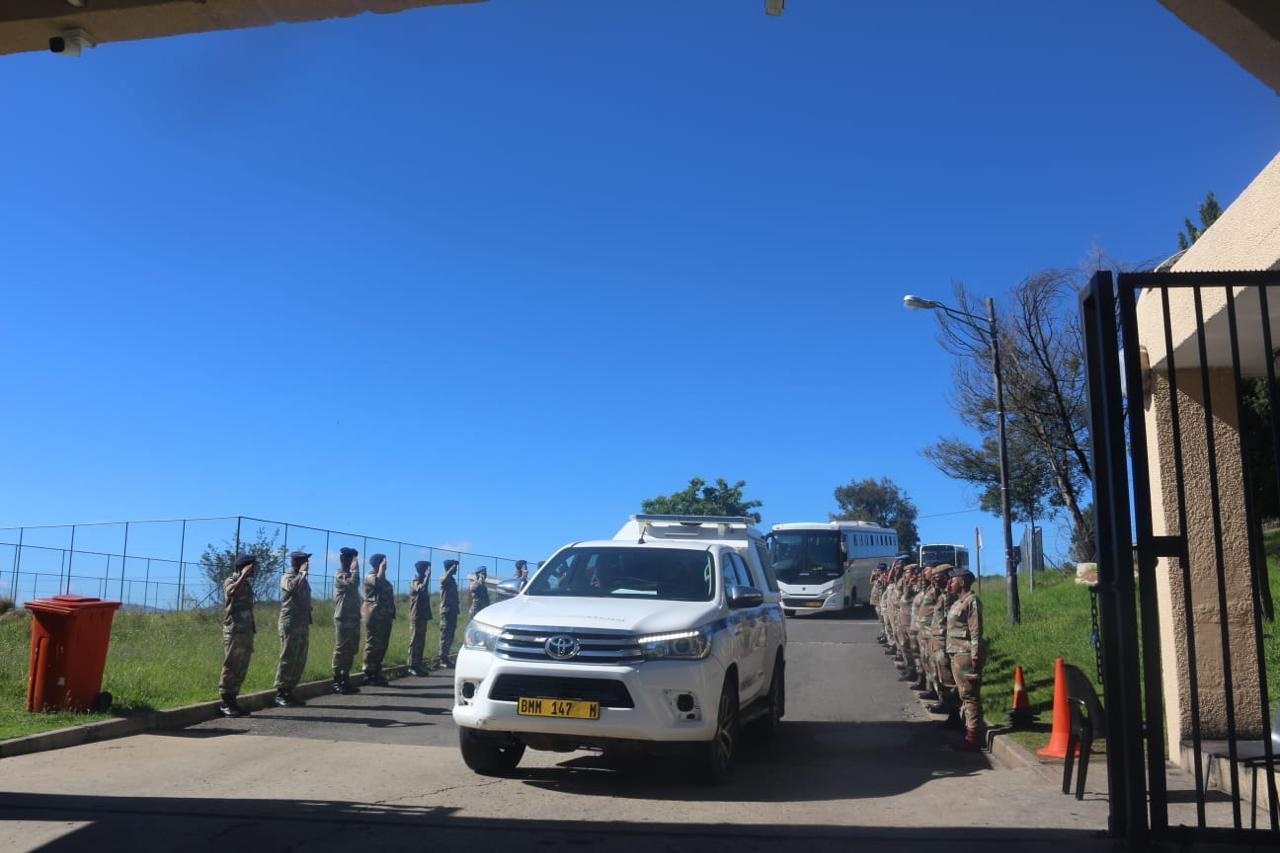
Heightened police deployments will remain in place at hotspots in Durban and Johannesburg after several days of violent protest over undocumented immigration, the National Joint Operational and Intelligence Structure said on Saturday.
Thirty people have been arrested, 25 in KwaZulu-Natal and five in Gauteng. The offences include public violence, illegal gathering, obstruction and resisting arrest. As SABC News reported on 10 October, NATJOINTS said criminality would not be tolerated.
NATJOINTS is the standing structure that coordinates the South African Police Service, metro police, the defence force, intelligence services and other departments when a situation outgrows a single province or a single force. When it briefs, it is speaking for the state’s operational centre rather than for one police station.
The trouble broke out earlier this week in the Durban CBD, in Soweto and in Johannesburg. It followed protests against undocumented immigration. The deployment that remains in place is the state’s answer to that week, and it is the part residents in those areas will notice first. More officers on the street, more roadblocks, more stops.
The line between a march and a criminal offence is the one the arrests now turn on. Public violence, illegal gathering, obstruction and resisting arrest are the charges police use when a demonstration stops being a procession and starts being a confrontation, or when a gathering has no legal cover. The distinction matters to anyone who was on those streets, and to anyone who intends to be on them again.
What South Africans are arguing about is not whether the protests happened. It is what should follow them. The demands made in Durban and Soweto this week were about undocumented immigration, and the enforcement question underneath them is a live one in this country: what the state can actually check, who may stay, who may be removed, and how quickly any of it can be done. Those questions do not disappear when a deployment is announced.
For now the operational picture is the one NATJOINTS has given. Deployments stay in the hotspots. The arrests stand at 30. No further dates, hearings or decisions have been set out in the briefing.