Police fire rubber bullets as 24 vehicles burn in Soweto and Durban
Protesters forced foreign traders out of some areas and shops were looted, while police said reinforcements had been deployed to prevent further violence.
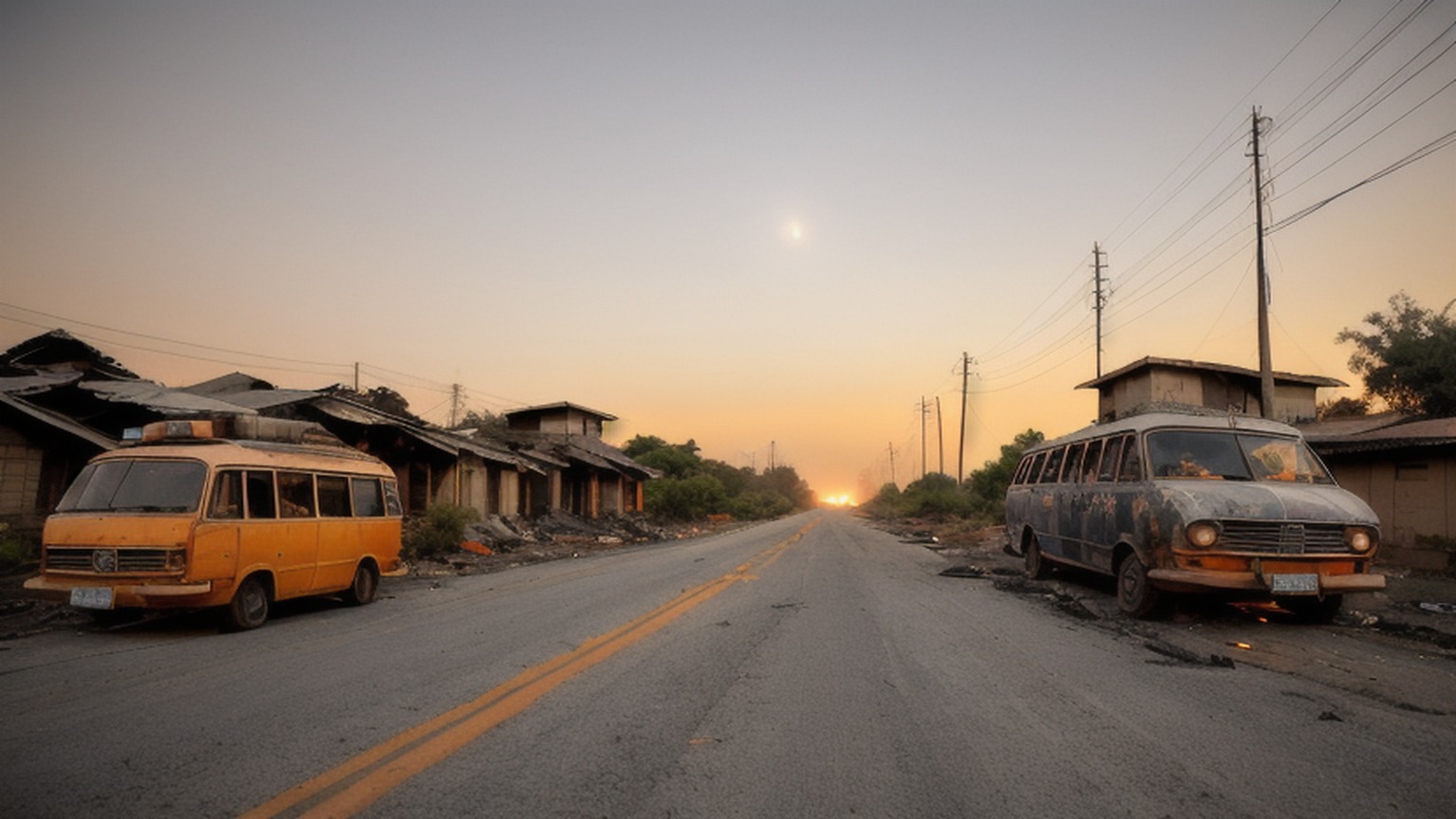
At least 24 vehicles have been set alight and foreign-owned shops looted as anti-illegal-immigration protests turned violent in Soweto and Durban, police said. Officers fired rubber bullets to disperse crowds, and businesses in Durban’s city centre shut their doors.
Fourteen vehicles were torched in Durban and ten in Soweto, where gunshots were also reported during confrontations between residents and foreign shopkeepers.
Acting national police commissioner Lt Gen Puleng Dimpane condemned the destruction of property. Police said reinforcements had been deployed to prevent further violence, and the authorities promised to pursue those responsible.
In Durban, protesters gathered outside a government refugee reception centre demanding that it stop accepting asylum applications. Xolani Fihla, a senior local police officer, told the SABC that clashes had broken out between foreign nationals and South African nationals in the area.
“At the present moment, I can confirm that no injuries have been reported,” he said.
Three foreign nationals were arrested in connection with an alleged assault on one of the protesters, police said.
In Orlando West, a neighbourhood of Soweto, residents had initially gathered to demand the closure of small convenience stores, known locally as spaza shops, operated by foreign nationals. Protesters forced foreign traders out of some areas, while shops were attacked and a building was set on fire, local media reported.
No group, movement or individual may enforce immigration law. That authority belongs to the state, and the conduct reported on Thursday, including arson, public violence and intimidation, is unlawful.
The unrest came after a July ruling by the Constitutional Court that struck down restrictions which had prevented some people from seeking asylum on the basis of how they entered the country or because they had missed immigration deadlines. Under the judgment, asylum seekers must be allowed to submit applications even if they entered South Africa without the required documents.
The ruling has prompted hundreds of people to gather at refugee reception centres. Anti-illegal-immigration campaigners say they fear it will encourage undocumented migration. Government spokesman William Baloyi told Reuters news agency that people had deliberately spread false claims about the judgment, creating the impression that undocumented migrants would automatically be granted legal status. Baloyi said the ruling does not automatically give migrants refugee status or the right to remain permanently in South Africa. Officials say applications will still be assessed individually and applicants will remain subject to immigration checks.
Earlier this year, anti-illegal-immigration groups staged weeks of demonstrations demanding that undocumented foreign nationals leave the country by 30 June. The protests forced tens of thousands of migrants to flee, with some returning home through repatriation programmes organised by their governments.
South Africa has recorded attacks on foreign nationals for nearly two decades. In 2008, more than 60 people were killed and tens of thousands displaced during widespread attacks.
Migrants are frequently accused of taking jobs, contributing to crime and placing pressure on public services. Researchers say such sweeping claims are not supported by evidence.
Despite its economic difficulties, South Africa remains one of the continent’s main destinations for migrants seeking employment, safety and better opportunities.
The Enquirer reported the facts of Thursday’s unrest from the account published by BBC News Africa on 9 October, and added the South African institutional context and the legal position that no crowd may enforce immigration law. We will continue to report on the policing response and any prosecutions that follow.
Source: BBC News Africa, Cars torched and shops looted as anti-migrant violence erupts in South Africa, 9 October 2026.