NATJOINTS: how the state's command centre decides where the police go when protests flare
The National Joint Operational and Intelligence Structure coordinates the police, SANDF and intelligence services in a single command room. Here is what it can and cannot do when crowds gather in Durban and Johannesburg.
When a protest spreads across two provinces, the question that lands on the state is not only who is on the street. It is who decides where the police go, how many of them, and on whose authority the deployment stays in place after the crowd has gone home.
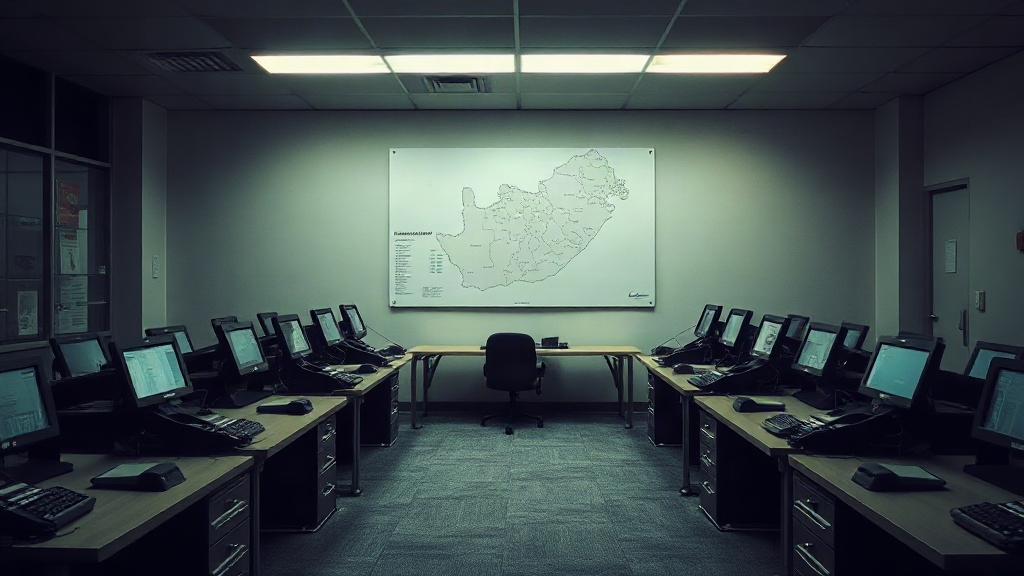
In South Africa that decision runs through a body most readers have never seen and only hear about during weeks like this one. NATJOINTS, the National Joint Operational and Intelligence Structure, is the standing coordination mechanism that brings the South African Police Service, the South African National Defence Force and the civilian intelligence services into one operational command. It does not replace the police. It sits above an operation, sets the priority, and moves resources between provinces when a situation crosses a boundary.
As SABC News reported on 10 October, NATJOINTS says heightened deployments will remain in place at hotspots in Durban and Johannesburg, where protests over undocumented immigration turned disruptive over the past few days. The broadcaster reported 30 arrests, 25 in KwaZulu-Natal and five in Gauteng, on counts including public violence, illegal gathering, obstruction and resisting arrest. Those are the facts of the week. What follows is how the machinery behind them actually works.
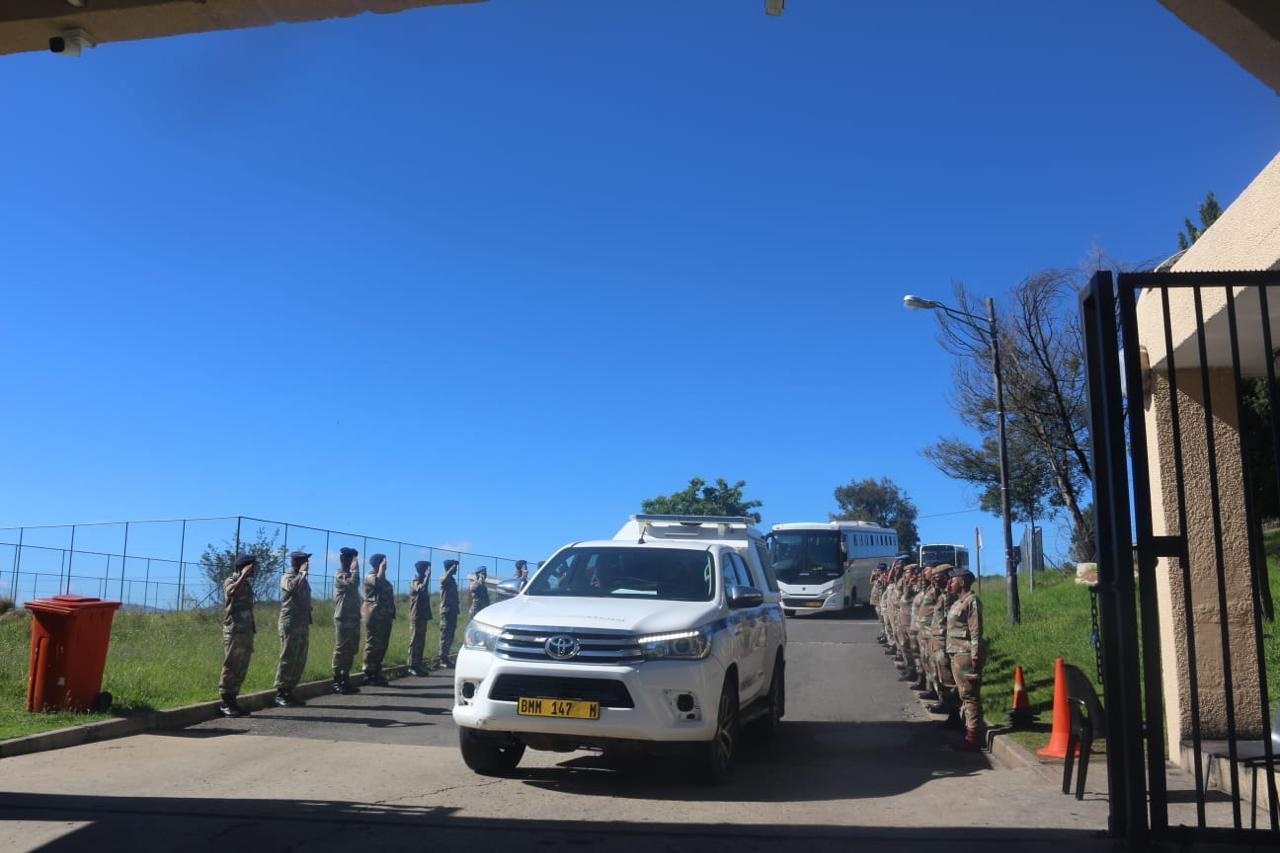
NATJOINTS is chaired at the level of the national police commissioner, with the defence force and the intelligence community represented alongside. It is not a court and it is not a prosecutor. It cannot charge anyone, convict anyone or grant anyone bail. What it can do is declare a priority, surge public order units, armoured vehicles and air support into a province, and keep them there. When a reader hears that a deployment will “remain in place”, that is a NATJOINTS decision, executed by provincial commissioners and station commanders on the ground.
The structure matters because South Africa’s policing is constitutionally provincial. Each provincial commissioner runs their own province, and the national commissioner coordinates. A protest that stays inside Soweto is a Gauteng operation. A protest that repeats in the Durban CBD is a KwaZulu-Natal operation. NATJOINTS is the room where those two operations are made to speak to each other, and where the defence force is asked to provide support under section 201 of the Constitution, which requires that any SANDF deployment inside the country be for a defined purpose and reported to Parliament.
That is the part a reader is entitled to know and rarely gets told. When soldiers appear on a street, the authority for that is not a general emergency power. It is a specific request, usually from the police, approved through the executive and reported to the Joint Standing Committee on Defence. The public record of that reporting is where the limits of a deployment can be checked.
What NATJOINTS cannot do is decide immigration status. Home Affairs decides who may remain, who must leave and who may apply. The police enforce the law on the street. The two systems meet at a removal, at a roadblock, or at a Home Affairs queue, and they do not always meet cleanly. A reader who wants to know whether a person arrested this week will be deported is asking a Home Affairs question, not a NATJOINTS one, and the answer will depend on a case-by-case process that the operational briefing does not cover.
The arrests themselves are the beginning of a legal process, not the end of it. A person arrested on a count of public violence or illegal gathering appears before a court, where the state must produce evidence and the accused may plead. The number 30 is a count of arrests, not a count of convictions, and the two should never be read as the same thing.
For residents of the affected areas, the practical effect of a heightened deployment is visible before any court sees anyone. More vehicles on the road. More stop-and-search. Longer queues at roadblocks. Traders in the Durban CBD and in Soweto will notice it in foot traffic and in the time it takes to move stock. Commuters will notice it in taxi routes and in the walk from a rank to a destination. That is the part of a deployment that does not make a briefing, and it is the part that determines whether people feel safer or simply more watched.
NATJOINTS has not said how long the heightened posture will last, and no date has been given for a return to normal deployment levels. Until that changes, the structure stays the room where the decision is held. What a reader should watch is not the next briefing, but the next court appearance, the next Home Affairs statement on removals, and the next provincial crime statistic, because those are where an operational decision either holds up or does not.