Home Affairs drops asylum directive after 24 cars torched in Durban and Soweto
The department says its offices were overwhelmed and staff at serious risk, but the court judgment that triggered the rush still stands.
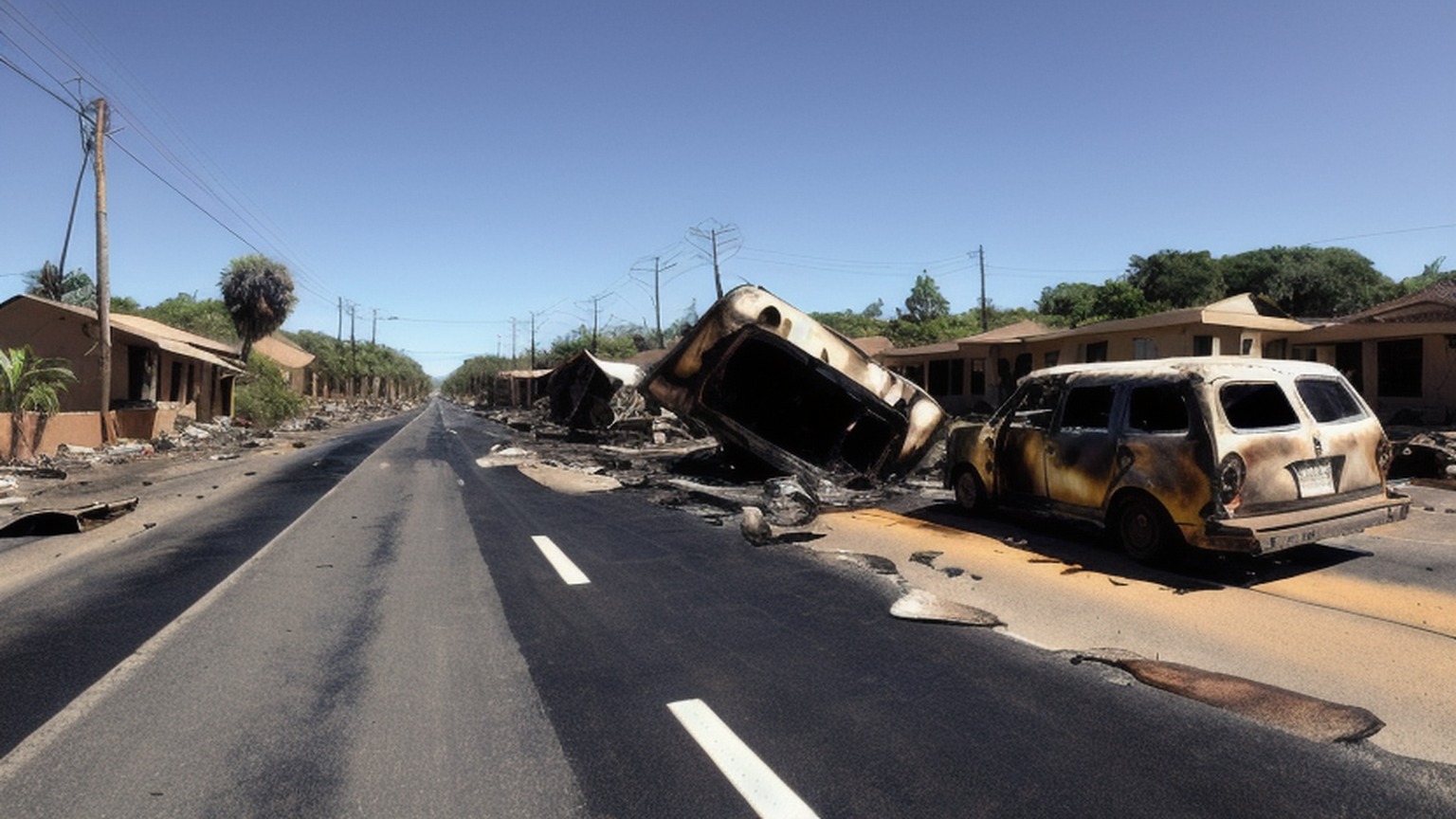
The Department of Home Affairs has withdrawn the directive it issued to govern asylum applications after two days of unrest in which 24 vehicles were torched, shops were looted in Durban and Soweto, and asylum offices were overrun.
Fourteen cars were burnt in Durban and ten in Soweto, according to the account published by Deutsche Welle on 8 October. The German broadcaster reported that the unrest in Durban began with a protest by a group demanding that a refugee centre stop processing asylum applications. Vehicles were overturned and set alight, and foreign-owned shops were looted. In Soweto, residents clashed with foreign shop owners and gunshots were heard, according to the broadcaster Newzroom Afrika.
Johannesburg Metropolitan Police Department spokesman Superintendent Xolani Fihla told SABC television that clashes had taken place between foreign nationals and South African nationals in the area, and that no injuries had been reported at that stage.
At the centre of the sequence is a court judgment. The court found certain provisions of the government’s refugee policy to be unconstitutional. It held that asylum seekers cannot be denied access to South Africa’s asylum system solely on procedural grounds, including entering the country unlawfully. That is a finding about how claims must be processed. It is not a finding that grants anyone refugee status, and the government said as much on Wednesday, emphasising that the judgment does not grant refugee status or permanent residence automatically to anyone who enters South Africa.
Home Affairs then issued a directive to give effect to the judgment in its offices. The department has said the directive was withdrawn because its asylum offices were quickly overwhelmed and the volume of people arriving placed officers at serious risk. That is the department’s stated reason, and it is the only reason it has given on the record.
What the withdrawal does not do is undo the judgment. The court’s finding stands. The department has not said, in the material available, what replaces the directive, how it will process the claims the judgment says must be processed, or on what date a new instruction will be issued. Those are the questions the department now carries.
A South African reader will recognise the wider context in which this is happening. Anti-illegal-immigration mobilisation has run for months, with populist groupings demanding that undocumented foreign nationals leave the country by 30 June. That demand has no standing in law. No group, movement or individual may enforce immigration law in this country, because that authority belongs to the state and to nobody else. A self-declared deadline is not a legal instrument. Torching a vehicle is arson. Looting a shop is theft. Blocking a patient from treatment at a clinic is a crime and not a protest tactic.
The pressure on the asylum system is real and documented. South Africa carries an unemployment rate of about a third of its population, remains the largest economy on the continent, and continues to attract migrants. Migrants are frequently blamed for taking jobs, driving crime and straining public services, and social scientists have said those accusations are not supported by evidence. Both things can be true at once. The system is under strain, and the strain is being used to justify conduct that is unlawful.
Deutsche Welle’s report is accurate on the sequence it describes, and its account of the withdrawal, the court judgment and the unrest matches what the department and the police have said publicly. What it does not carry is the administrative question that now sits with Home Affairs. A directive has been pulled. A judgment has not. Until the department says what it will do instead, the offices it closed off remain the offices that must process the claims, and the people who arrived because a court told them they could are still waiting.
Source: Deutsche Welle, South Africa pulls asylum directive after violent protests