Eleven killed at a Durban township party, and the question that follows every mass shooting here
Al Jazeera English reported the deaths of 11 people, including a pregnant woman, at a house party in a Durban township. What a South African reader needs next is the part foreign coverage rarely carries: who investigates, what happens to the docket, and why so few of these cases end in a conviction.
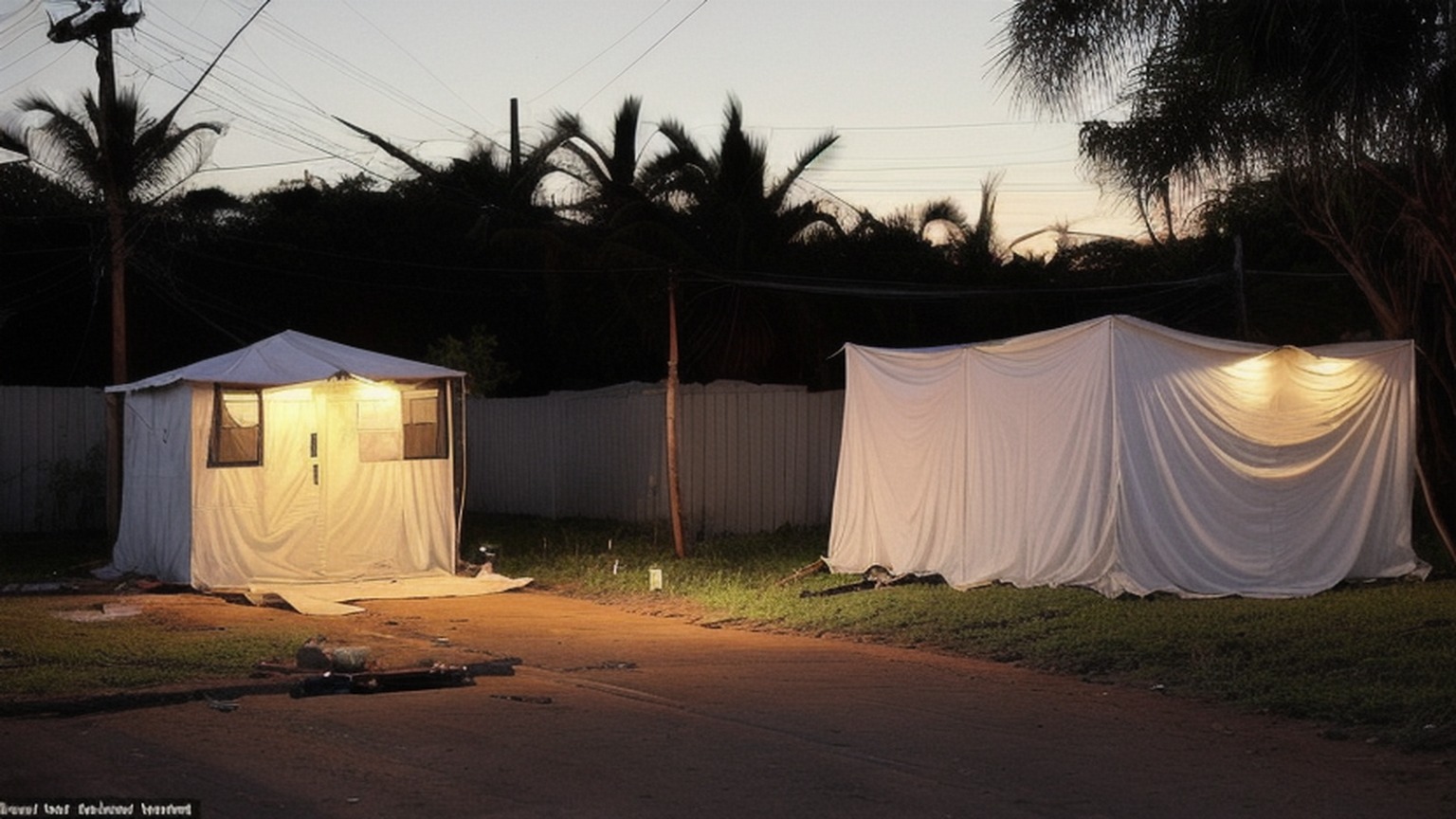
Armed men opened fire at a house party in a Durban township, killing 11 people, among them a pregnant woman, according to Al Jazeera English, which reported the deaths on 23 September 2026.
That is the account as it stands. The Enquirer has not independently verified the death toll, the identities of the dead or the sequence of the attack, and no South African authority has yet been quoted in the material available to us. What follows is what a South African reader is entitled to know that the headline alone does not carry.
Every killing on this scale in this country moves along the same institutional track, and the track is the story. The South African Police Service opens a case, in this instance murder and attempted murder, and assigns it to a detective unit. The docket then passes to the National Prosecuting Authority, which decides whether there is enough evidence to charge anyone and, later, whether there is enough to convict. The Directorate for Priority Crime Investigation, known as the Hawks, takes over cases with organised-crime features. Which unit holds this docket has not been made public.
The gap between a killing and a conviction is where public confidence is won or lost. South Africa’s courts convict in a minority of murder cases relative to the number reported, a shortfall the NPA itself has acknowledged in annual reporting, and the reasons are structural rather than mysterious: witnesses who are intimidated or relocated, ballistic evidence that takes months to process at the police forensic laboratory, arrested suspects who appear and are released on bail, and dockets that go to court without the forensic work completed.
Those are the pressure points a reader should watch here. The first is arrests. The second is the first court appearance, which under South African law must follow within 48 hours of arrest unless a court grants an extension. The third is whether the matter is postponed for bail, and whether the state opposes it. The fourth is whether the case is transferred to a regional or high court, which signals the state is treating it as a serious matter rather than a routine one.
Durban and its surrounding townships have seen mass-casualty shootings before, and the institutional response has varied. In some cases, arrests followed within days and the matters proceeded to trial. In others, the docket stalled and no one was ever charged. The difference has usually come down to whether witnesses were willing to speak and whether the police could protect them. That is not a comment on this case. It is the pattern the record shows, and it is the reason the next 72 hours matter more than the next 72 weeks.
What a foreign audience is rarely told is that the South African state is not passive in these matters. The SAPS has specialist units, the Hawks has a mandate that covers organised and serious crime, and the NPA has a priority cases directorate. Where those units have been deployed early and resourced properly, arrests and convictions have followed. The question in this case is whether they will be, and that question has not yet been answered on the record.
As Al Jazeera English reported on 23 September, armed men opened fire at a house party and 11 people died. That is accurate as far as it goes. What it does not carry is the machinery that now decides whether the families of those 11 people, and the pregnant woman among them, ever see a court reach a verdict.
The Enquirer will report the outcome when the SAPS or the NPA places the first details on the record: the unit handling the case, the number of arrests, and the date of the first court appearance. Until then, the honest position is that the deaths are reported and the accountability is pending.