Durban shops stay shut as premier asks for soldiers to help restore order
KwaZulu-Natal Premier Thami Ntuli has requested SANDF deployment after vehicles were torched, buildings set alight and businesses looted in the CBD, with police on high alert over planned marches.
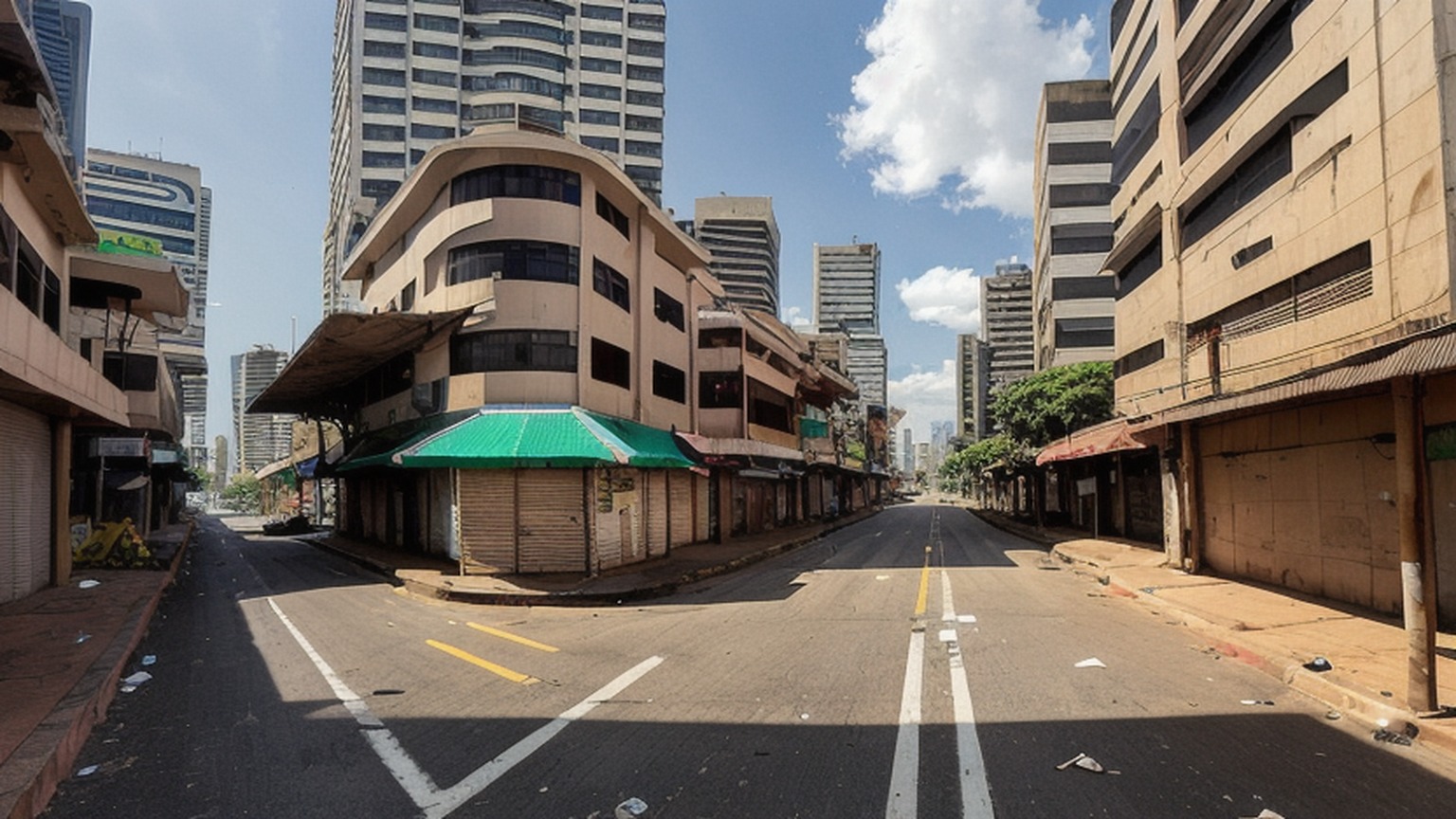
Shops in Durban’s central business district stayed closed on Saturday as police remained on high alert following public violence in which vehicles were torched, buildings were set alight and businesses were looted. KwaZulu-Natal Premier Thami Ntuli has requested the deployment of the South African National Defence Force to help restore order in the city.
As SABC News reported on 10 October, the unrest came amid protests against undocumented immigration, and reports of further planned marches kept officers on standby in the CBD.
For a reader in Durban, the practical effect is simple. A shuttered CBD is a lost trading day for shop owners, street traders and the people they employ, and closed routes through the city centre change how everyone else gets to work, to school and to clinics. The decision by the premier to ask for soldiers is the clearest signal yet of how seriously the province is treating the risk of a repeat.
The legal position is not complicated. No group and no individual may enforce immigration law. That authority belongs to the state, exercised through the Department of Home Affairs, the police and the courts. Arson, public violence, intimidation, looting and the unlawful deprivation of liberty are crimes under South African law, and the people who commit them are answerable for them individually. A self-declared deadline or a crowd’s demand carries no standing in law and cannot be used to justify a blockade or an attack.
The sequence of events that brought Durban to this point has a documented context. Tensions around asylum applications rose after a Constitutional Court ruling opened access to the asylum process. That ruling changed the administrative route available to people seeking protection. It did not legalise unlawful migration, and it did not create a new category of refugee, both of which are worth stating plainly because they have been repeated as fact in public argument. What the ruling did was open the door to the asylum process itself, and that is the process the Department of Home Affairs is required to run.
That distinction matters for the reader because it separates two different arguments that are being run together. One is about whether the state is processing asylum claims properly and enforcing its own immigration law. The other is about what a crowd is entitled to do on a city street. The first is a legitimate public question. The second has a single answer in law, and it is no.
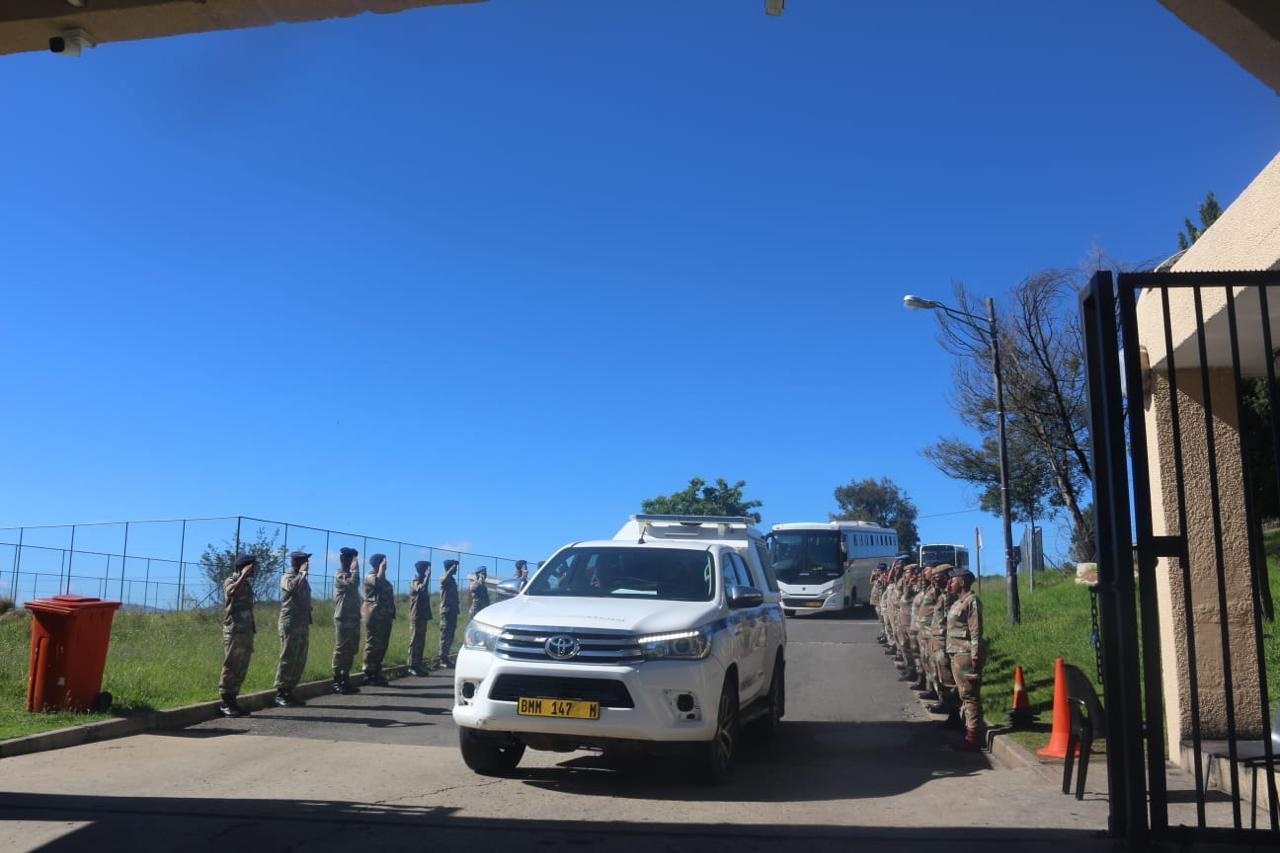
The state’s response so far has been visible and it has been credited. The police remained on high alert, maintained a presence in the CBD through the weekend and stood ready for the marches that had been reported. The premier moved to request SANDF support, which is the mechanism available to a province when it judges that police capacity alone is not sufficient. That request is now the live question, because a SANDF deployment in support of the police is a specific, time-bound operation and not a general state of emergency.
Ordinary South Africans have a stake in how this is handled that goes beyond the CBD. Durban is a port city and a provincial economic centre. When its central business district closes, the cost lands on small businesses that trade on foot traffic, on workers paid by the day, and on the taxi and bus routes that move people through the city. Restoring order quickly and lawfully is in everyone’s interest, and so is making sure that the people who torched vehicles and looted shops face the consequences, because the alternative is that the next crowd believes it can do the same.
Two things are still open. The first is whether the SANDF request is approved and what the terms of the deployment will be. The second is whether the police and the National Prosecuting Authority open and pursue cases against the individuals who committed the acts, because a visible arrest and a prosecution is what tells a city that the law applies to everyone. Those are the questions this paper will keep asking, and we will report what the police, the premier’s office and the courts say in response.
Source: SABC News, Shops remain closed amid public safety fears in Durban’s CBD.