Durban shopkeepers lose another trading day as unrest closes the CBD
Vehicles were torched, buildings set alight and businesses looted during protests against undocumented immigration, and the KwaZulu-Natal premier has asked for the army.
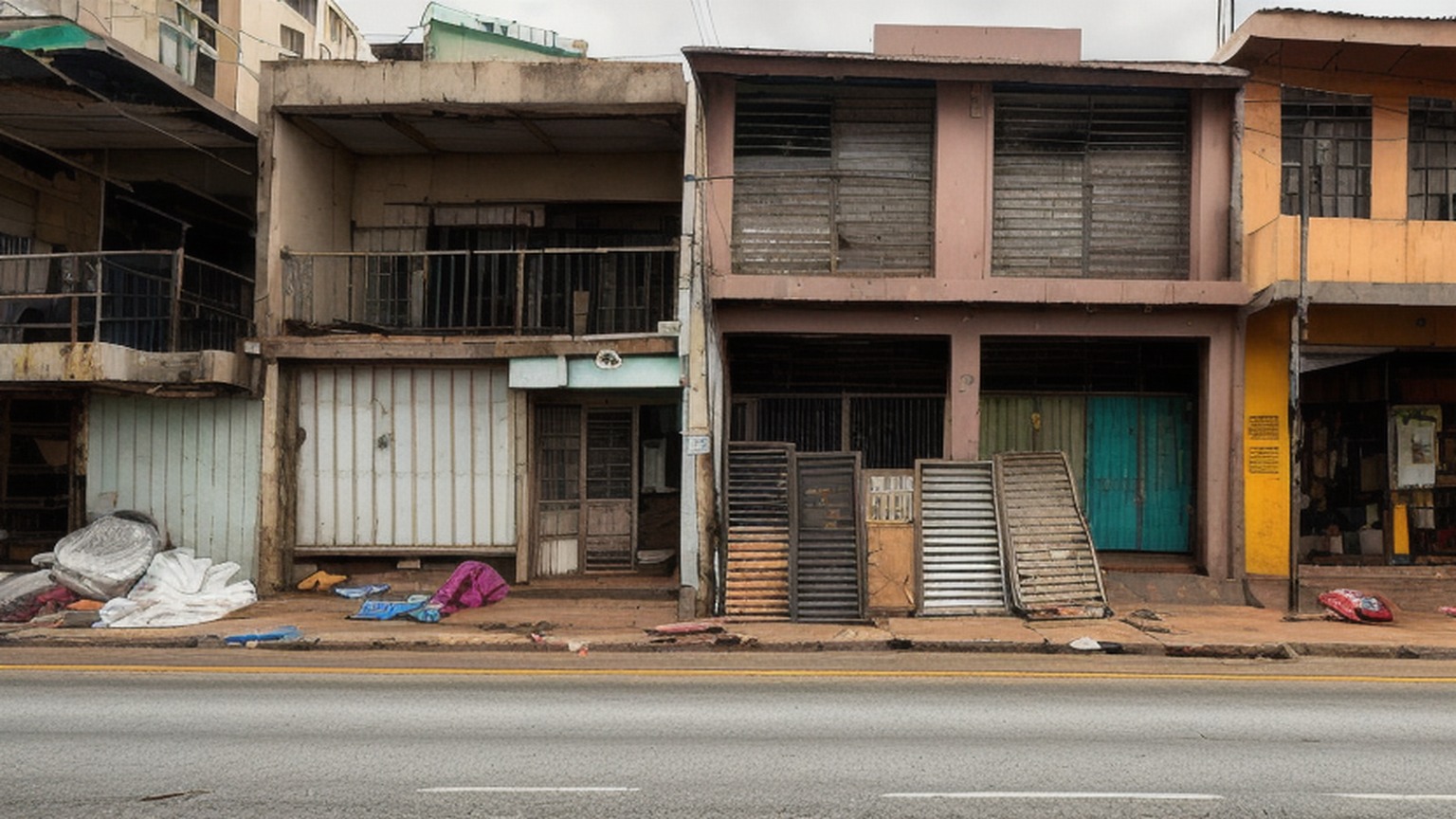
Shops across Durban’s central business district stayed shut on Saturday, as traders weighed a day’s takings against the risk of standing behind a counter in a city centre where vehicles were torched, buildings set alight and businesses looted during protests against undocumented immigration.
As SABC News reported on 10 October, the unrest has raised public safety concerns in the CBD, KwaZulu-Natal Premier Thami Ntuli has requested the deployment of the South African National Defence Force to help restore order, and police remain on high alert following reports of planned marches.
For a shopkeeper on West Street or a trader in the Warwick Junction market, the arithmetic of a day like this is simple and unforgiving. Rent falls due whether the shutters open or not. Staff who are paid by the day do not get that day back. Stock bought on credit still has to be paid for, and perishables bought for a Saturday trade do not keep until Monday.
The CBD is not only offices and chain stores. It is thousands of small businesses, many of them run by people who live on the same street they trade on, and it is the transport node that carries workers in from KwaMashu, Umlazi, Inanda and Phoenix. When the centre closes, the cost travels out along those routes.
Commuters who use the CBD as a transfer point for taxis and buses to the south and north of the city lose time and money when routes are diverted or suspended. Workers who cannot reach the city centre lose a shift, and in retail, security and cleaning work a lost shift is often an unpaid one.
The protests have been directed at undocumented immigration, and they follow tensions surrounding asylum applications after a Constitutional Court ruling opened access to the asylum process. That ruling concerns how the Department of Home Affairs must handle asylum applications. It does not give any group, movement or individual the authority to enforce immigration law, which belongs to the state, and a self-declared deadline set by a crowd has no standing in law.
Arson, public violence, intimidation, looting and the unlawful blocking of a road are criminal offences, and the people who committed them are the ones who carry the blame for this week’s losses, not the traders, the commuters or the residents of the city.
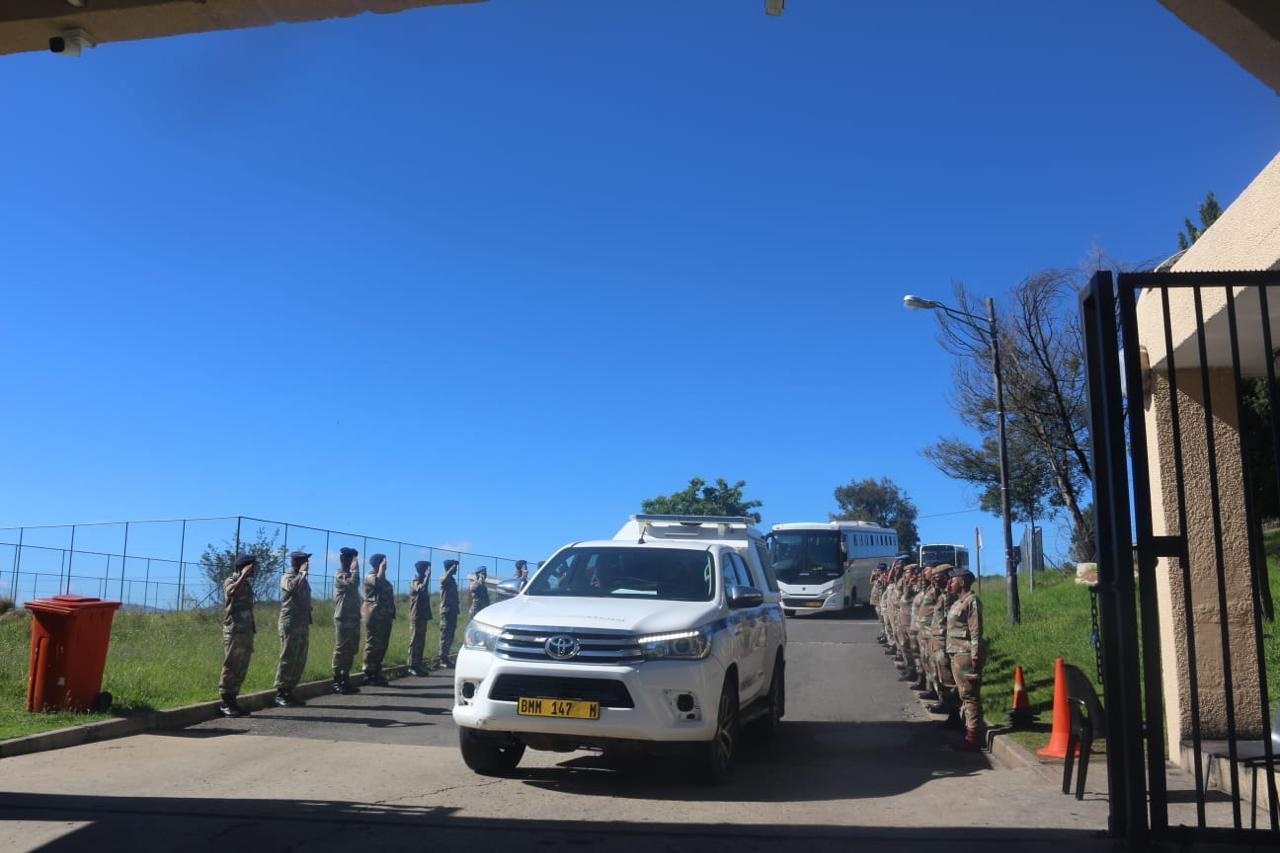
What the record shows so far is a state response rather than a vacuum. Police have remained deployed in the CBD and on high alert in anticipation of further marches. The premier has moved to bring in the national defence force, which is the mechanism a province uses when it judges that police alone cannot hold the line.
That request is the part of the story a reader outside the province will not see. The SANDF is not routinely deployed inside a South African city centre. When a premier asks for it, the province is signalling that it expects the pressure on the ground to continue rather than fade.
Saturday’s closure is the visible cost. The less visible one is what happens on Monday, when traders decide whether it is safe to open again, whether to reorder stock, and whether to keep staff on. A single weekend of unrest does not close a business. A pattern of them does.
Source: SABC News, Shops remain closed amid public safety fears in Durban’s CBD