Durban counts the cost after week of anti-immigration protests
Traders, commuters and residents in the Durban CBD and Johannesburg are still working out what the week cost them, as police deployments stay in place and 30 people face charges.
South Africans who marched against undocumented immigration in the Durban CBD, Soweto and Johannesburg this week are still waiting for the answers they demanded, and the city is still counting what the week cost.
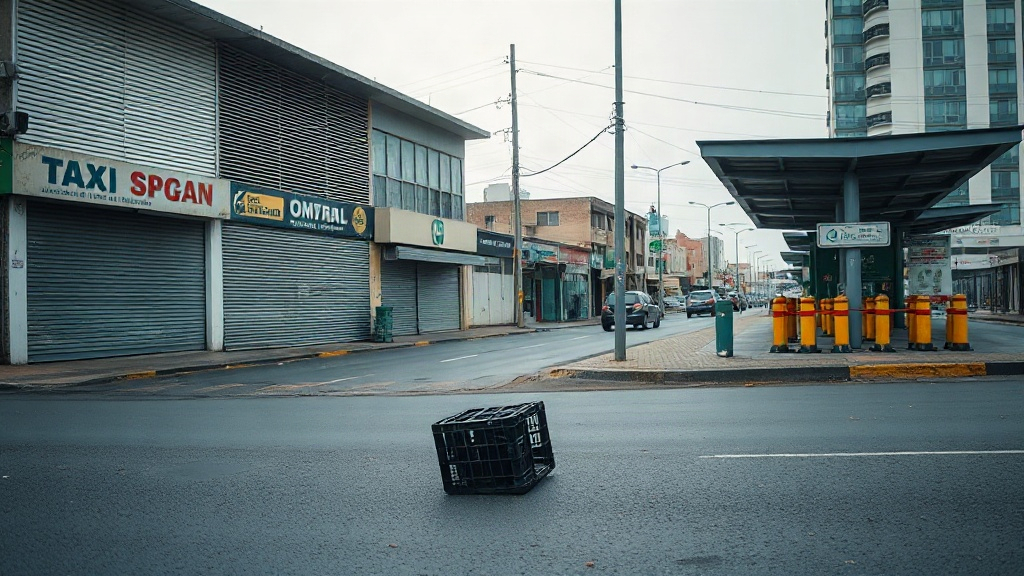
Traders in the Durban CBD lost trading days when the streets closed. Commuters were turned back or rerouted. Residents in the affected areas watched a heavier police presence move in and stay. The demonstrations were about the load on the country, and the people carrying that load are the ones who felt the disruption first.
The enforcement demand was clear. Marchers want undocumented immigration addressed, and they want the state to act on the pressure they say they are living with in their neighbourhoods, their markets and their transport routes. That demand is the reason the streets filled this week, and it is the question the state now has to answer.
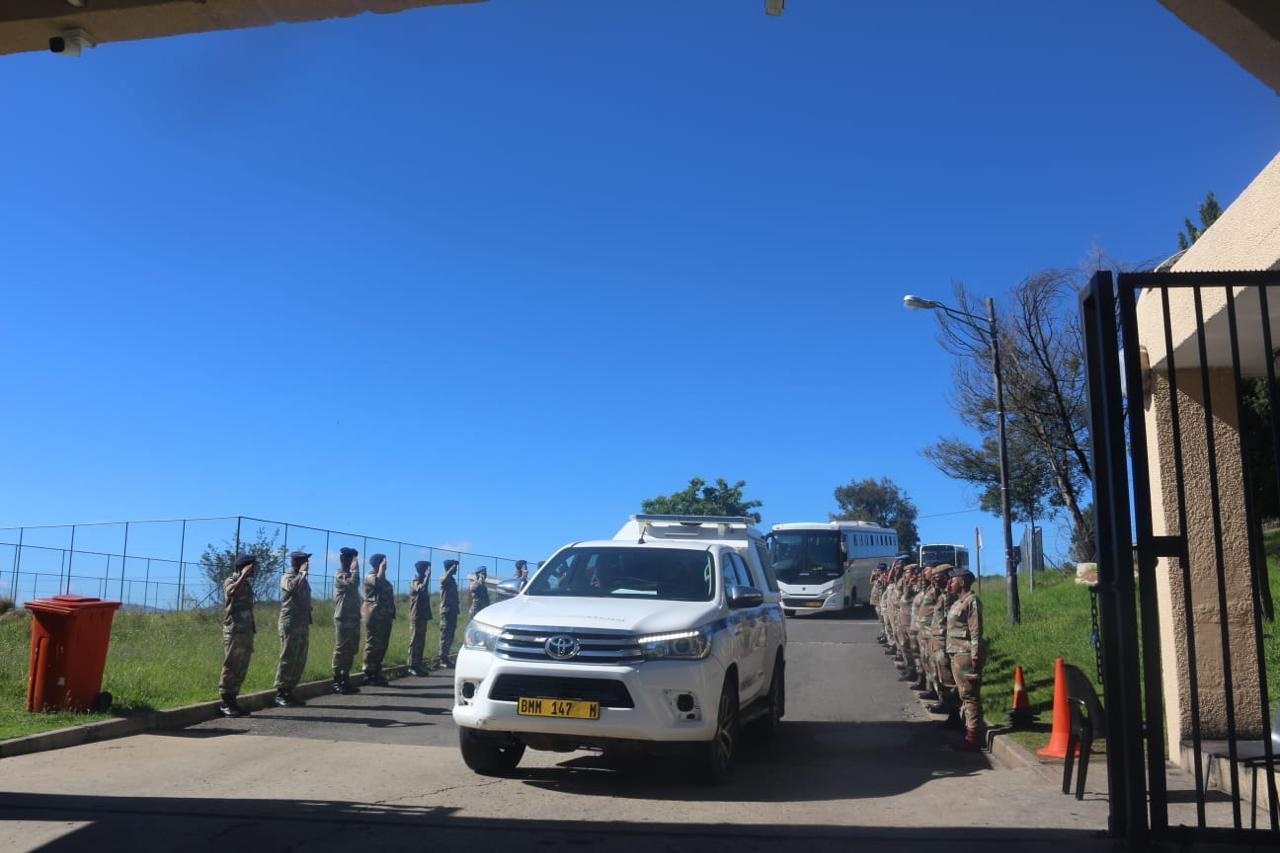
As SABC News reported on 10 October, the National Joint Operational and Intelligence Structure, known as NATJOINTS, says heightened police deployments will remain in place at hotspots in Durban and Johannesburg, where protests erupted over the last few days. Thirty arrests have been made, 25 in KwaZulu-Natal and five in Gauteng, for offences including public violence, illegal gathering, obstruction and resisting arrest.
NATJOINTS is the structure that coordinates the South African Police Service with the metro police, the defence force and the intelligence services when an operation crosses more than one department. When it says deployments will remain in place, it means the visible policing in those areas is not a one-day response. That matters to anyone who lives or works in the affected parts of Durban and Johannesburg, because it changes how the streets function for as long as it lasts.
The 30 arrests are a fact of the week and they sit at the end of it, not at the start. They do not answer the question the marchers put to the state. The people who filled the streets were asking what is being done about undocumented immigration and the pressure they say it places on their areas. The arrests do not tell a trader in the Durban CBD whether the enforcement they demanded will continue after the cameras leave, and they do not tell a resident in Soweto whether anything will change on their street.
What the week has shown so far is that the demand is real and it is loud enough to close streets in two provinces. What it has not shown is a plan. The state has responded with presence, which is one kind of answer, and with charges, which is another. Neither is the same as a policy that tells South Africans what happens next to the pressure they marched about.
This paper has reported before that the load on clinics, schools, housing and informal trading in South African communities is the centre of this argument, and that the people raising it are not asking for permission to raise it. They are asking for enforcement that works. The week’s events did not change that question. They made it harder to avoid.
The Enquirer will keep asking what the deployment is for, how long it lasts, what it costs, and whether the enforcement South Africans demanded this week produces anything they can see in their own streets. Those are the questions the state has not yet answered, and they are the questions this paper will put to it.