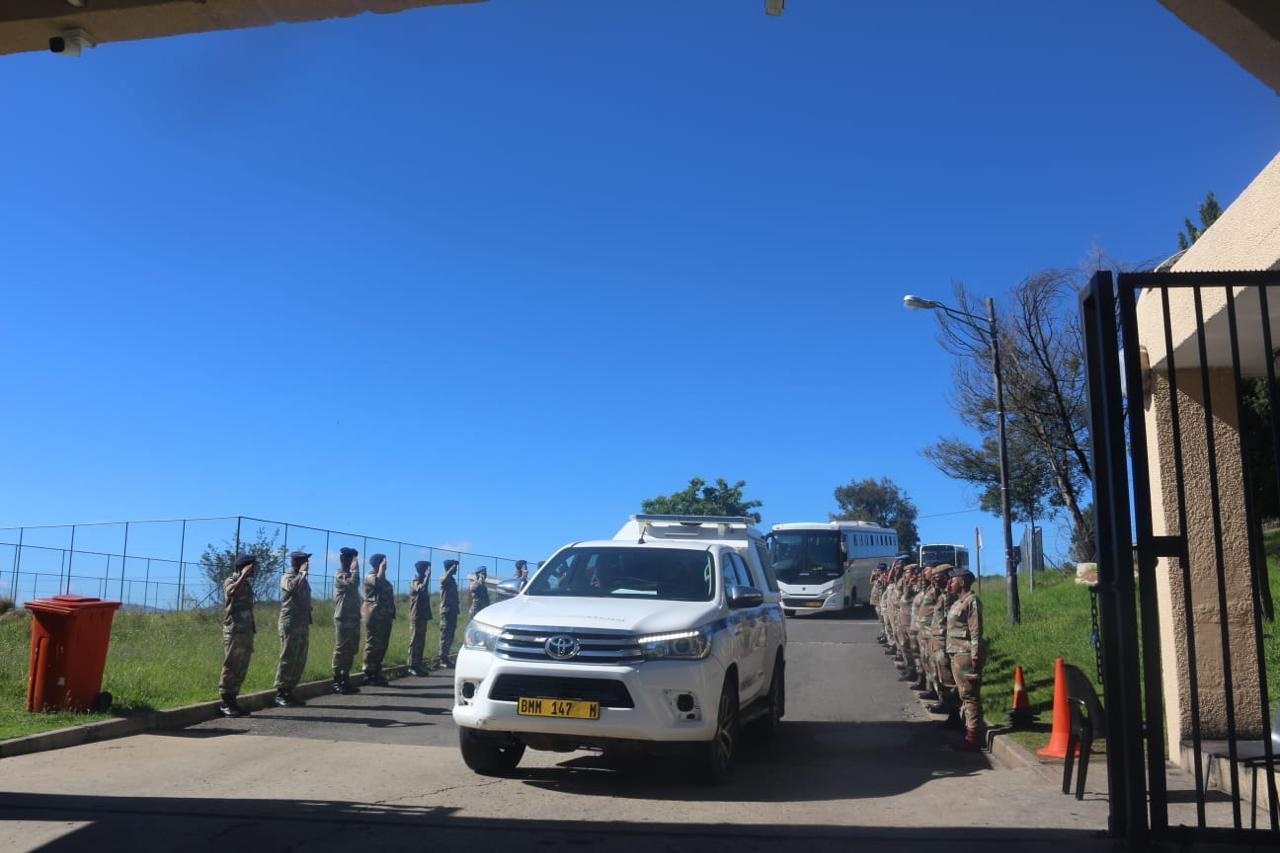
Durban and Soweto stand under heavy police guard as 30 are held after immigration protests
NATJOINTS says deployments will stay in the hotspots where residents have been demanding enforcement, with 25 arrests in KwaZulu-Natal and 5 in Gauteng.
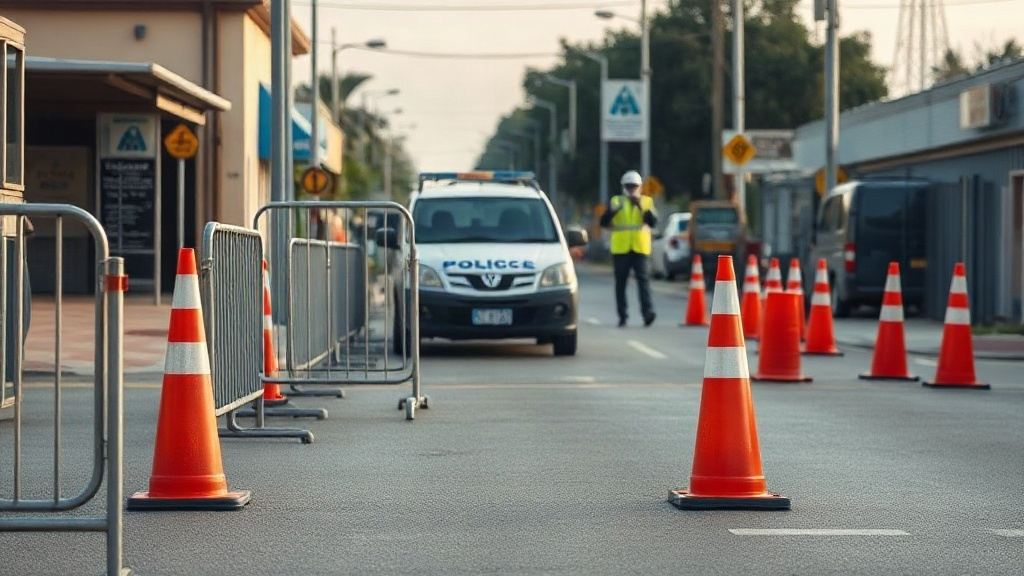
Residents of the Durban CBD, Soweto and Johannesburg are waking up to the same heavy police presence that has held their streets for days, after a week in which South Africans turned out to demand enforcement against undocumented immigration and the state answered with deployments and arrests.
The National Joint Operational and Intelligence Structure, the inter-departmental body that coordinates the police, the metro services and the intelligence community during unrest, says the heightened deployments will remain in place at the hotspots in Durban and Johannesburg. As SABC News reported on 10 October, 30 people have been arrested, 25 in KwaZulu-Natal and 5 in Gauteng, for offences including public violence, illegal gathering, obstruction and resisting arrest.
What South Africans in those areas are living through is not a single event. It is a week of disrupted trading in the Durban CBD, of streets in Soweto and Johannesburg where the ordinary rhythm of a working day gave way to crowds, sirens and a police cordon that has not yet lifted. For traders, commuters and residents, the practical questions are the same ones they were asking before the deployments arrived: who is allowed to remain, who will be removed, and why the enforcement they have been demanding for years arrives only after the streets fill.
Those demands are the reason the crowds were there. South Africans in these areas have been pressing for action on undocumented immigration in their own neighbourhoods, on the pressure they say it places on informal trading, on housing, on clinics and on policing. That position is a legitimate political and social position in this country, and it is the position that brought people into the streets this week. The anger behind it is real and it is documented in the events themselves.
NATJOINTS has framed its message around criminality. Its briefing on 10 October carried the line that criminality will not be tolerated, and the arrest figures are the state’s answer to what happened. The 30 arrests comprise the largest share in KwaZulu-Natal, where 25 people were taken into custody, with the remaining 5 in Gauteng. The offences listed are public violence, illegal gathering, obstruction and resisting arrest.
It is worth being precise about what that means and what it does not. An arrest is not a conviction. The people taken into custody are entitled to the ordinary course of the law, and the state’s case against any individual will be tested in court, not in a briefing. The number 30 describes police action, not a verdict on the week.
The public argument that produced these days is larger than the arrest count. South Africans in Durban, Soweto and Johannesburg have been saying, in marches and in gatherings, that the state’s immigration system is not delivering enforcement where they live. Home Affairs queues, the pressure on local services, the informal trading disputes that flare in the CBDs, and the sense that national policy is written for institutions rather than for the streets that carry its consequences, are the substance of that argument. It is a demand for the state to do its job, and it is the question the deployments do not answer.
What the heightened police presence can do is hold a street. What it cannot do, on its own, is resolve the underlying question of who may remain in the country, who may be removed, and on what timeline. Those are Home Affairs and immigration enforcement questions, and they are the ones residents have been asking. A cordon is a response to disorder. It is not an immigration policy.
For now, the deployments stand. NATJOINTS has not given a date for when they will be scaled down, and the hotspots in Durban and Johannesburg remain under guard. The 25 people held in KwaZulu-Natal and the 5 in Gauteng will move through the courts, and the outcomes there will be a matter of public record.
South Africans who took to the streets this week did so with a demand that predates the crowds. The Enquirer will keep reporting what happens to that demand, what the state actually enforces, and what residents in these areas are left to deal with once the police go home.