Durban and Soweto rise over illegal immigration as 30 are held and nobody will say who they are
Residents in the Durban CBD, Soweto and Johannesburg took to the streets over undocumented immigration this week, 25 of the arrests falling in KwaZulu-Natal and 5 in Gauteng.
South Africans in the Durban CBD, in Soweto and in Johannesburg took to the streets this week over undocumented immigration, and by the end of it 30 people had been arrested, 25 in KwaZulu-Natal and 5 in Gauteng.
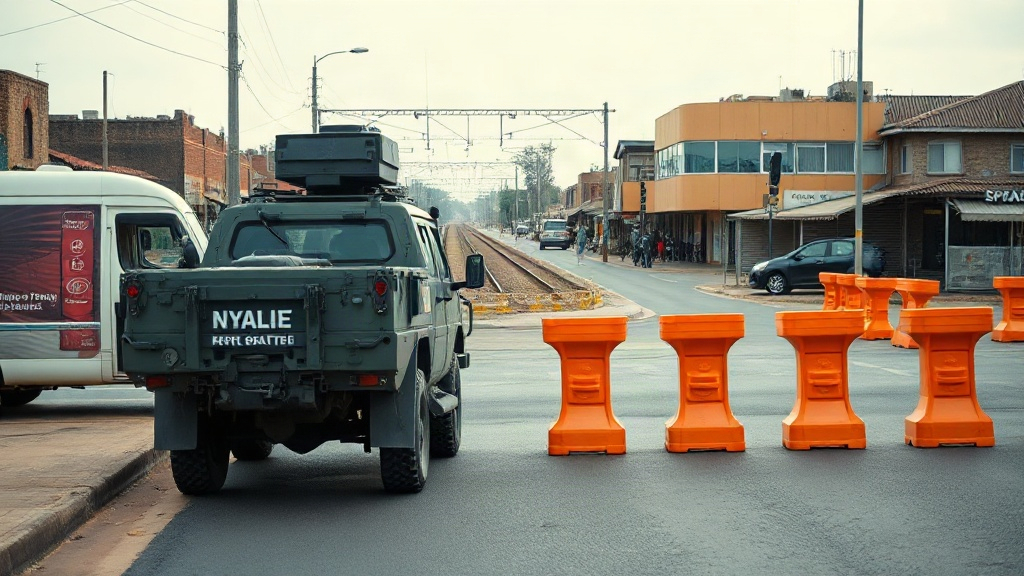
The offences attached to those arrests are public violence, illegal gathering, obstruction and resisting arrest. The National Joint Operational and Intelligence Structure, NATJOINTS, says heightened police deployments will remain in place at hotspots in Durban and Johannesburg.
As SABC News reported on 10 October, NATJOINTS briefed on the deployments and on the arrest count, and the structure’s position is that criminality will not be tolerated.
That is the record as the state has put it. What it does not yet carry is the part South Africans in those areas are asking about. The 30 are a number, and a number is not a name. Nobody has said who the 30 are, where they were picked up in each city, or what each is alleged to have done. Without that, a resident of the Durban CBD reading the same brief cannot tell whether the arrests touch the people who were marching about the load on their streets or people who used the march as cover. Those are different things and they carry different consequences, and the state has not separated them.
What residents in Durban and in Soweto were saying on the ground is not a mystery. The demand running through this week’s action is enforcement. People in those areas want the immigration system policed where they live and work, and they want the state to say plainly who may stay and who will be removed. That demand is what put the crowds in the CBD and in the streets of Soweto, and it is the question the deployments now have to answer.
The load is the reason the argument has this much heat in it. Home Affairs queues, clinics, schools, housing, informal trading and policing are where South Africans meet immigration policy in their own lives, and those are the services the crowds were pointing at. A march about that is a political demand made by people who live with the result, and it belongs in the reporting as exactly that.
NATJOINTS is the structure that brings the police, the metro departments and the intelligence services onto one operational footing when a situation is judged to need it. A standing deployment at named hotspots is a heavier and longer commitment than a normal public order presence, and it is the kind of step the state takes when it expects the tension to continue rather than fade. The structure has said the deployments stay in place. It has not said for how long, and it has not said what would allow them to be stood down.
The detail a South African reader will want next is the one the brief leaves open. The 30 arrests are split 25 to KwaZulu-Natal and 5 to Gauteng, and the split is the only geography the state has given. It does not say how many of the KwaZulu-Natal arrests came from the Durban CBD as against elsewhere in the province, and it does not say how the 5 in Gauteng divide between Soweto and Johannesburg. Those are the places residents will be watching, and the state’s own count does not yet reach that far down.
There is also the question of what happens to the 30 from here. An arrest is not a charge, and a charge is not a conviction. The offences listed are the ones on the arrest record for this week, and the courts will deal with whatever follows. This paper will not treat the number as a finding against anyone, and neither should anyone reading the brief.
What is not in dispute is that the week happened. South Africans marched in the Durban CBD, in Soweto and in Johannesburg over undocumented immigration, the state answered with deployments and arrests, and the deployments are still there. The people who marched did so over a load they say they are carrying, and the state has now committed resources to the hotspots without yet answering the enforcement question those crowds put to it.
The Enquirer is putting the outstanding questions to NATJOINTS and to the South African Police Service: the identity and the location of each of the 30 arrested, the alleged conduct behind each count, the intended duration of the deployments in Durban and Johannesburg, and the criteria the state will use to judge that the hotspots no longer need them. We will report the answers as they come.