Durban and Soweto residents demand action on undocumented immigration as 30 arrested in protest crackdown
Communities in Durban CBD and Soweto say the load on jobs, housing and services has become unbearable, as NATJOINTS confirms 25 arrests in KwaZulu-Natal and 5 in Gauteng.
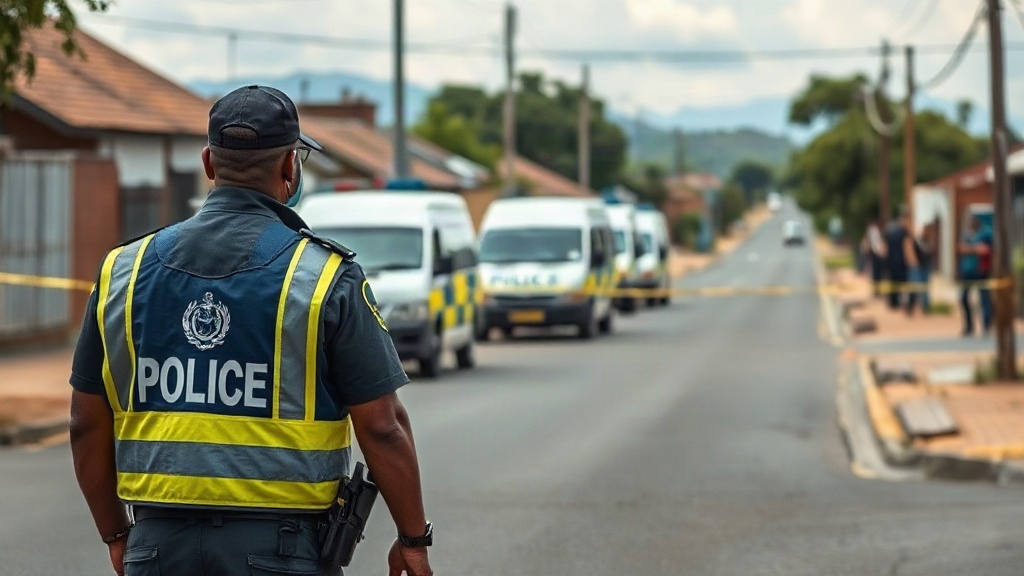
Residents in Durban and Soweto took to the streets this week demanding enforcement against undocumented immigration, saying the pressure on jobs, housing and public services in their communities has become too heavy to carry. The protests, which began earlier this week, were concentrated in the Durban CBD, Soweto and Johannesburg.
As SABC News reported on 10 October, the National Joint Operational and Intelligence Structure, known as NATJOINTS, says heightened police deployments will remain in place at hotspots in Durban and Johannesburg. Thirty people have been arrested, 25 in KwaZulu-Natal and five in Gauteng, for offences including public violence, illegal gathering, obstruction and resisting arrest.
The arrests are a fact, and they belong after the reason people were there. What residents in these areas have been saying for months is that the number of undocumented foreign nationals living and working in their communities has grown beyond what local infrastructure can absorb. Clinics queue out the door. Classrooms are overcrowded. Informal traders compete for the same piece of pavement with people who have no legal right to be in the country. Rental rooms are shared by more people than they were built for.
These are the conditions that put people on the street. They are not new complaints. They have been raised in community meetings, in letters to councillors, in the queues outside Home Affairs offices where South Africans wait months for documents while the system that is supposed to regulate who enters and who stays appears unable to cope.
NATJOINTS is the structure that coordinates the police, the army and the intelligence services during operations that cut across more than one province or more than one department. Its briefing on 10 October confirmed that the deployments are not being scaled down. That means roadblocks, visibility patrols and stop-and-search operations will continue in the affected areas.
What the briefing did not address is the question residents keep asking. What happens to the people who are here without documents? Who is removed, and when? What is the plan to process the backlog at Home Affairs that leaves everyone, citizen and foreign national alike, waiting in the same queues? And what support is there for the communities that are carrying the load while the state decides what to do?
The protests this week were not the first. Similar demonstrations have flared in other parts of the country in recent years, often sparked by the same set of grievances. What is different now is the scale of the deployment and the fact that NATJOINTS has chosen to keep it in place after the crowds have dispersed.
That is a signal that the state recognises the pressure. Whether it translates into the kind of enforcement that residents are demanding, or whether it becomes another round of policing without resolution, is the question that will be answered in the weeks ahead.
For the people of Durban CBD and Soweto, the issue is not abstract. It is the queue at the clinic. It is the empty shelf at the spaza shop. It is the rent that keeps climbing because demand outstrips supply. It is the feeling that the rules are not being applied, and that the people who follow them are the ones who pay.
The Enquirer will continue to report on the conditions in these communities and on the state’s response to the demands being made by the people who live there.