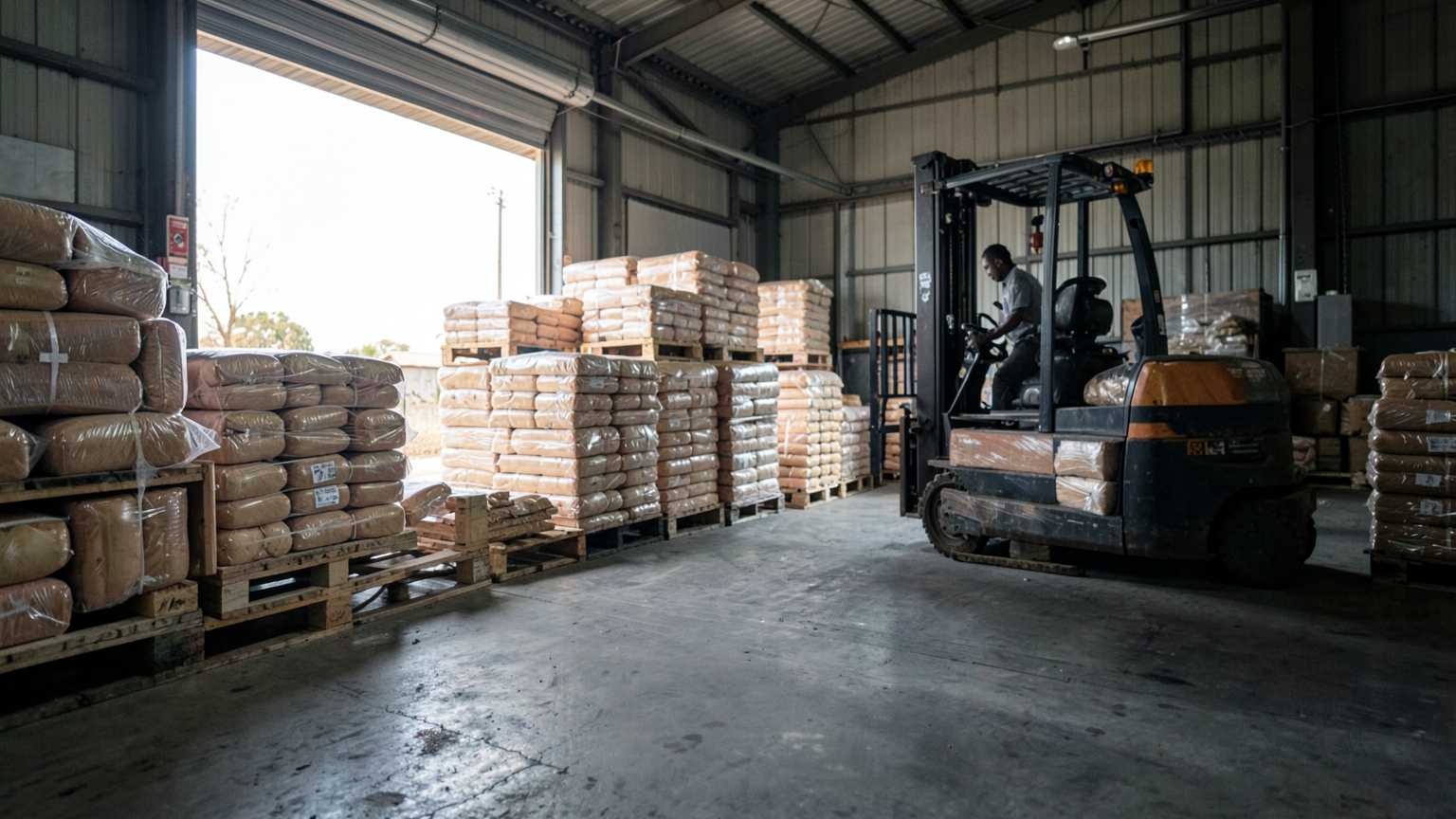
Bread and maize giant turns a 20% maize price fall into R1.17 billion, and shoppers see none of it
Premier Group's Blue Ribbon and Iwisa owner lifted net profit 62.1% in the six months to September, helped by the RFG Holdings acquisition and deflation in the grain it buys.
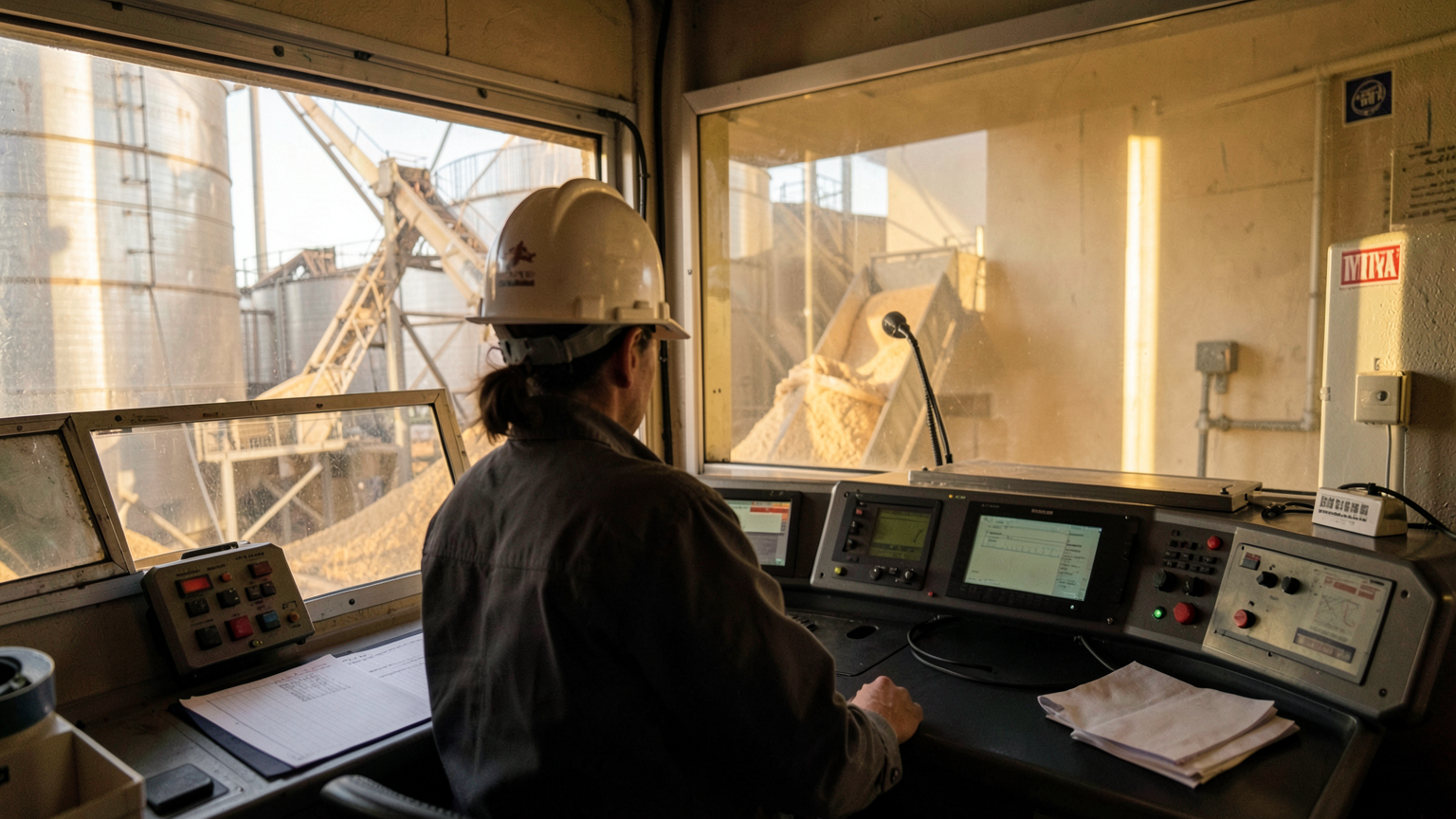
Premier Group made R1.17 billion in net profit in the six months to 30 September 2026, up 62.1% on the same period a year earlier, on revenue of R14.3 billion. The owner of Blue Ribbon bread, Iwisa maize meal and Mr Sweet sweets reported the numbers on 10 November, and they are the first interim results to include RFG Holdings, which Premier bought in March 2026 and runs as its culinary business inside the groceries division.
For South African households, the number that matters is not the headline profit. It is the grain price. Premier’s Millbake division, which makes up roughly two thirds of group revenue, sold 1.3% more to reach R9.4 billion while maize prices fell 20% and wheat prices fell 5%. Its EBITDA still grew 23.7% to R1.58 billion and the division’s EBITDA margin widened to 16.8% from 13.8%. That is what happens when the raw material gets cheaper and the shelf price does not follow it down at the same speed.
Shoppers buying a loaf of Blue Ribbon or a bag of Iwisa are the people who fund that margin. They are also the people Premier says it is protecting. The company told the market that the prolonged conflict in the Middle East had pushed fuel costs up and put pressure on household disposable income, and that it tried to offset some of that through targeted pricing interventions and continuous business improvement. It did not say how much of the 20% maize deflation reached the shelf, and it did not put a rand figure on the pricing interventions.
The rest of the results are a lesson in how a food group grows without selling much more food. Operating profit rose 52.5% to R1.69 billion and EBITDA climbed 51.4% to R2 billion, with the EBITDA margin improving to 13.9% from 12.7%. The groceries division, which now carries the culinary business, lifted revenue to R4.9 billion and EBITDA to R513 million, a 10.4% margin. Premier said integration was going to plan, with merchandising and supply chain integration complete and ERP integration under way, and that synergies were already coming through in procurement, distribution, sales and systems alignment.
Millbake’s growth also came from bricks. Premier has built new bakeries at Aeroton in Gauteng and Middelburg in Mpumalanga, and improved its logistics and distribution infrastructure to serve inland markets. The new sites are replacing older ones. The Hermanstad bakery has already closed and the Potchefstroom bakery is due to close once the new sites are commissioned. That is a real change for the towns that lose a bakery and for the workers in it, and the results do not say how many jobs moved or went.
The cash position is strong. Cash generated from operations rose 43% to R1.8 billion. Premier spent R759 million on capital expenditure, including bakeries, depots and distribution facilities, bought back R207 million of its own shares and made voluntary debt repayments of R234 million. Leverage held at 0.7 times despite the debt taken on for RFG, and net debt stood at R2.3 billion at the end of September. Basic earnings per share rose 27.5% to 711 cents and headline earnings per share rose 27.1% to the same level, a much smaller jump than the 62.1% net profit figure, because the RFG deal and the share count change what each share actually earns.
There are clouds the company named itself. The Tulbagh fruit processing facility has closed, which Premier said created challenges for its long life products, even as pies and pastries sold well. Grain prices are expected to stay deflationary for the rest of the financial year, which is good for Premier’s input costs, before the inflationary effect of El Niño weather patterns begins to show. Management said it would put increasing cash generation into capital expenditure, debt reduction and further buybacks.
As Sunday World reported on 10 November, Premier’s profits surged 62%. That is accurate. What a South African reader needs on top of it is the split between the two engines. One third of the group is a new acquisition bedding in. Two thirds is a milling and baking business that made more money per rand of sales in a year when the maize it buys got a fifth cheaper. Whether that shows up in the price of a loaf is the question Premier’s next set of results, and the Competition Commission’s scrutiny of the RFG merger, will keep in front of shoppers.