Blue Ribbon owner Premier Group profit jumps 62% to R1.17 billion as RFG bakes in
The first set of half-year results to carry the March acquisition shows revenue of R14.3 billion, a fatter margin on bread and maize, and net debt of R2.3 billion.
Premier Group made R1.17 billion in net profit in the six months to 30 September 2026, up 62.1% on the same period last year, in the first set of interim results to carry the RFG Holdings acquisition it closed in March.
Revenue came in at R14.3 billion, 38.8% higher than a year earlier. Operating profit climbed 52.5% to R1.69 billion and EBITDA rose 51.4% to R2 billion, lifting the EBITDA margin to 13.9% from 12.7%.
The Sunday World reported the numbers on 10 November. What matters for a South African reader is where they came from, because a 62% jump in profit at the company that bakes Blue Ribbon is not the same as a 62% jump in the bread business.
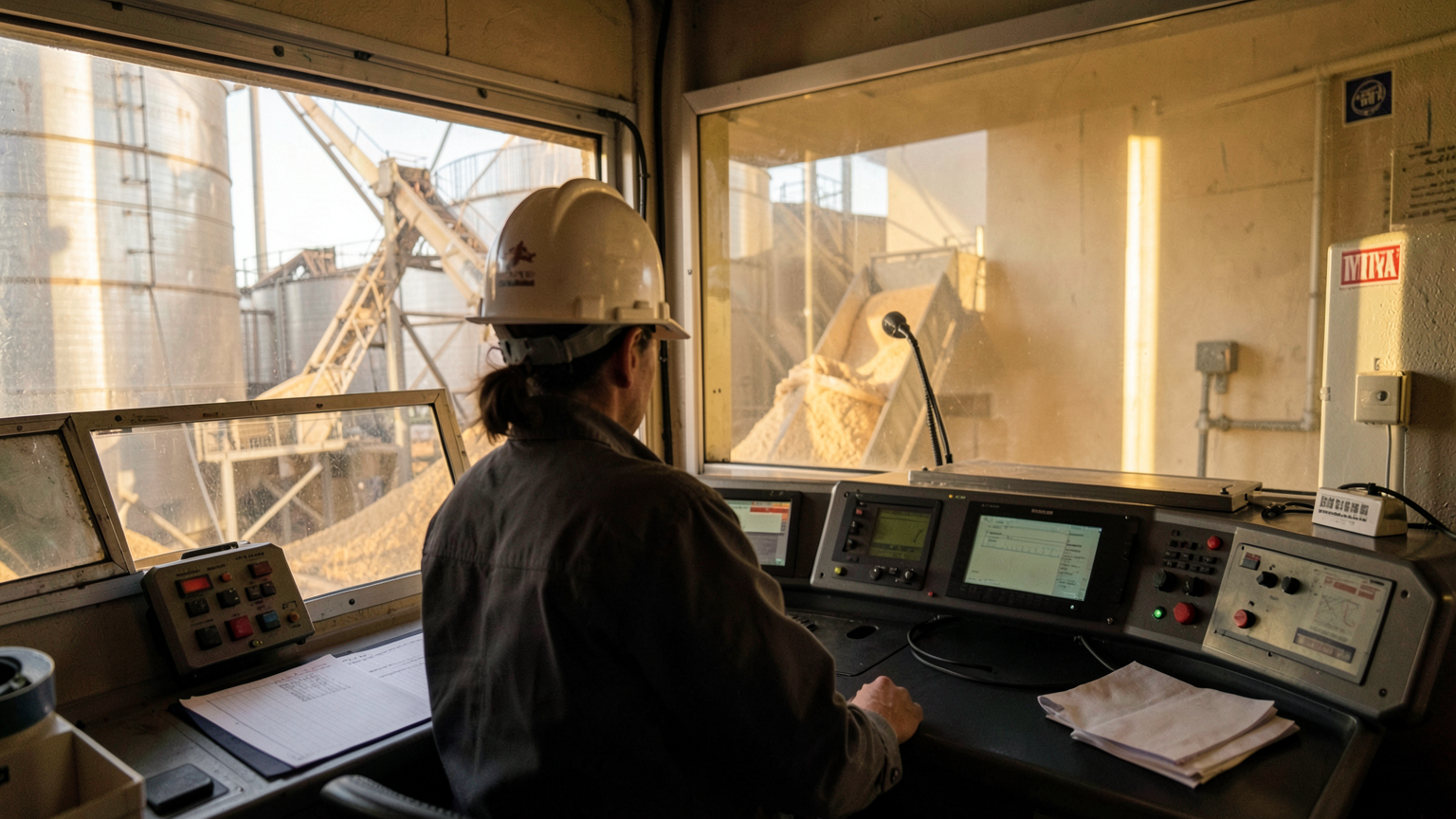
Millbake, the division that carries roughly two-thirds of group revenue, grew revenue just 1.3% to R9.4 billion. It did so against maize price deflation of 20% and wheat price deflation of 5%, which means the division sold its flour and maize meal into a falling price market and still grew the top line. Its EBITDA rose 23.7% to R1.58 billion and its EBITDA margin widened to 16.8% from 13.8%.
That margin gain is the number a shopper should read twice. Premier attributes it to new bakeries at Aeroton in Gauteng and Middelburg in Mpumalanga, and to improvements in logistics and distribution infrastructure that supported growth in inland markets. The new sites are replacing older plants. Hermanstad has already closed and Potchefstroom is due to close once the new bakeries are commissioned.
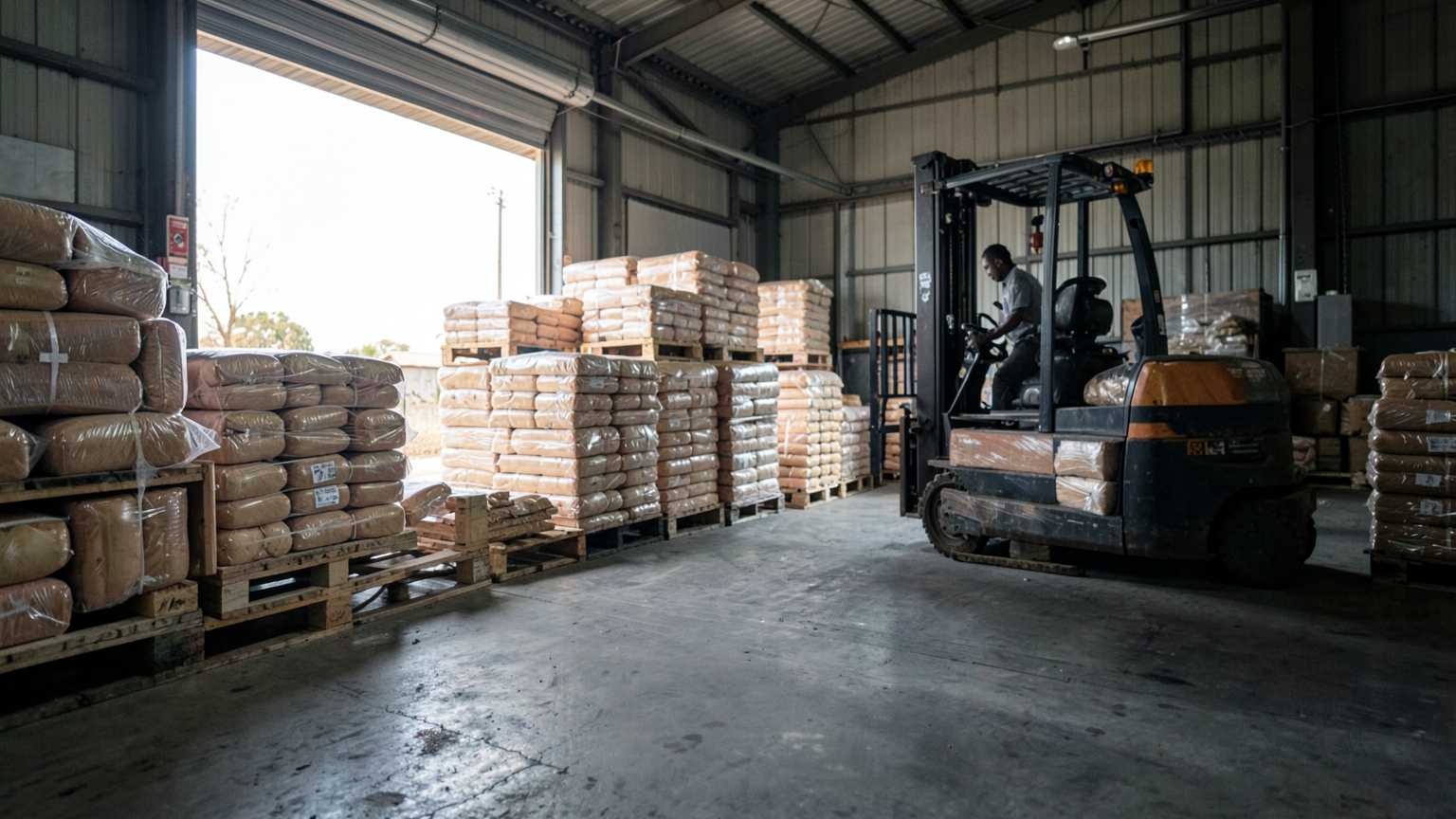
The groceries division is where RFG lands. Revenue there reached R4.9 billion and EBITDA R513 million, an EBITDA margin of 10.4%. Premier said fresh products performed strongly, helped by room to expand its pies and pastries offering, while long life products held up despite the closure of the Tulbagh fruit processing facility. The company expects more from supply chain integration, merchandising alignment and procurement savings in the months ahead.
On integration, Premier said merchandising and supply chain work is complete and ERP integration is under way, with merger synergies already being realised in procurement, distribution, sales and systems alignment.
The cash picture is stronger than the profit line alone suggests. Cash generated from operations rose 43% to R1.8 billion. Premier spent R759 million on capital expenditure across bakeries, depots and distribution facilities, bought back R207 million of its own shares and made voluntary debt repayments of R234 million. Net debt stood at R2.3 billion at the end of September, and the leverage ratio held at 0.7 times despite the debt taken on for RFG.
Basic earnings per share rose 27.5% to 711 cents and headline earnings per share rose 27.1% to the same level, a far smaller increase than the 62.1% net profit figure. The gap is the ordinary arithmetic of an acquisition: more shares in issue after the deal, so a bigger profit divided among more holders.
Premier also flagged pressure it cannot engineer away. It said the prolonged conflict in the Middle East contributed to higher fuel costs and pressure on consumer disposable income, and that it sought to offset some of the impact through targeted pricing and continuous business improvement.
Looking ahead, the company expects merger benefits to accelerate in the second half as integration progresses and supply chain synergies gain momentum. It expects grain prices to stay deflationary for the rest of the financial year, before the inflationary impact of El Niño weather patterns begins to emerge. Management said rising cash generation will go towards capital expenditure, debt reduction and further share buybacks.
Premier’s brand shelf is familiar to most South African kitchens: Blue Ribbon and BB Bakeries in bread, Iwisa and Mr Sweet in maize and sugar beans, Manhattan Sweets and Lil-Lets in personal care, alongside wheat flour, animal feed and other grain-based products sold across Southern Africa. The RFG deal added ready meals, pies and pastries, dairy, fruit juices, jams, canned foods, salads, meat products and other long-life grocery lines.
The Enquirer will keep tracking the Potchefstroom closure and the second-half grain price outlook, because both feed into what a loaf costs.