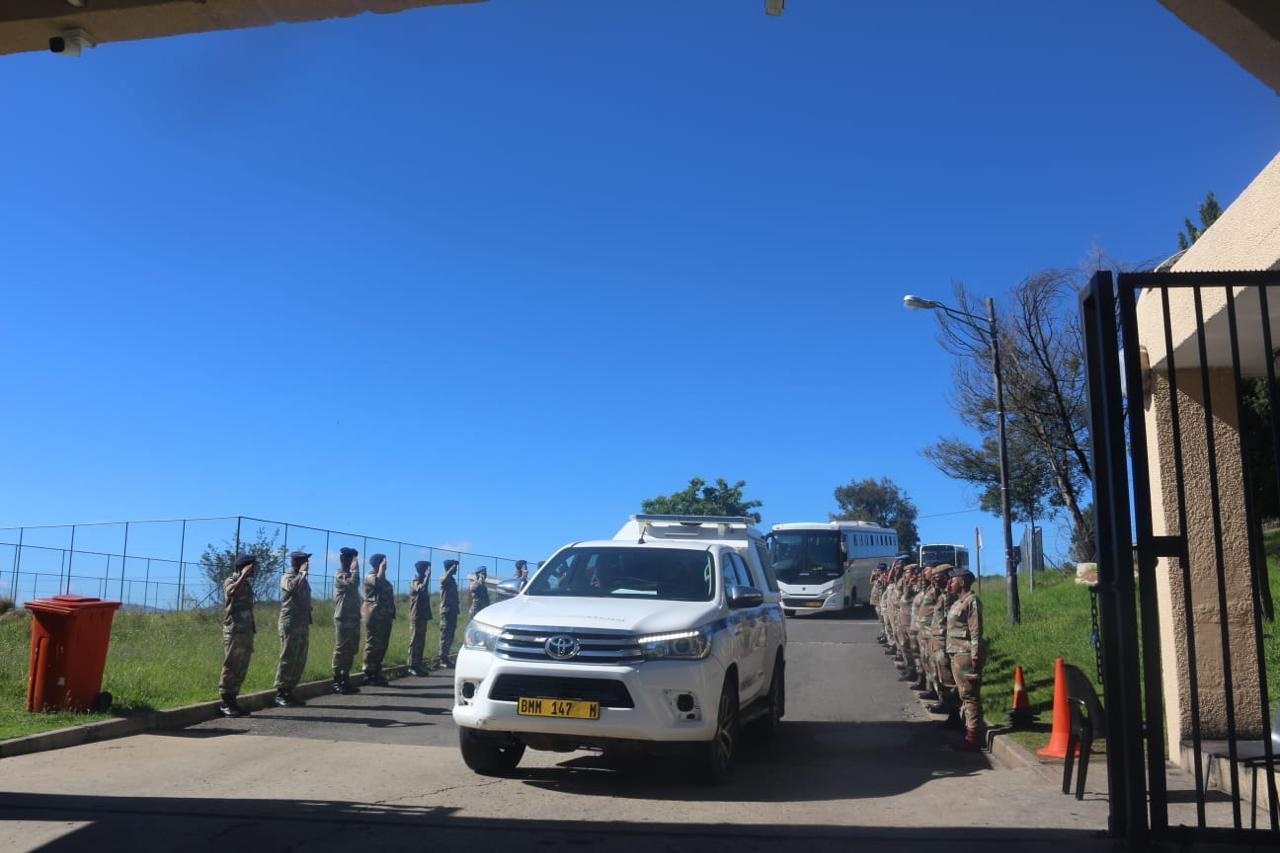
30 arrests as police keep Durban and Johannesburg hotspots under guard
NATJOINTS says heightened deployments stay in place after days of violent anti-undocumented immigration protests in the Durban CBD, Soweto and Johannesburg.
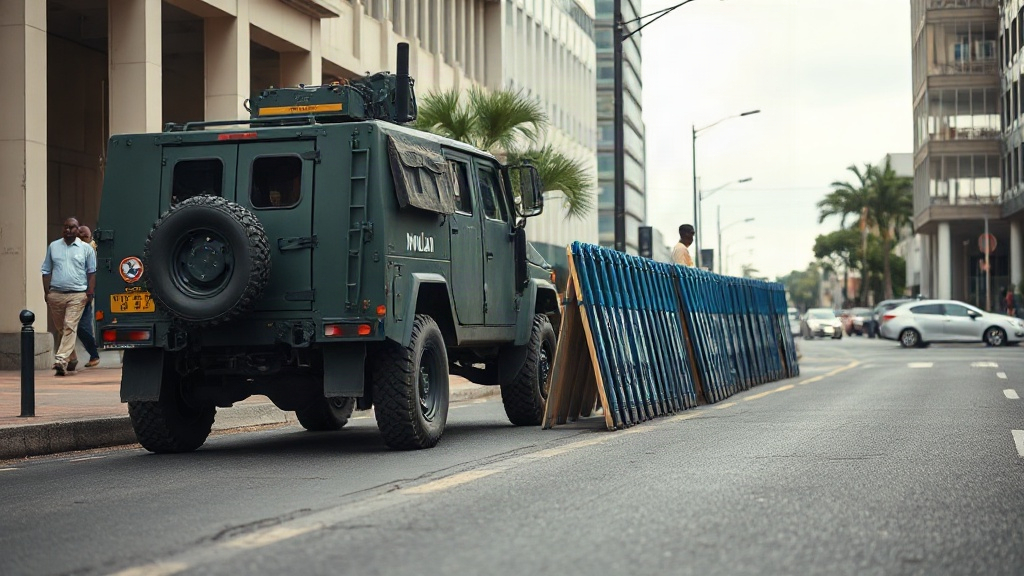
Police remain deployed at hotspots in Durban and Johannesburg after several days of violent protest, and 30 people have been arrested.
Twenty-five of the arrests were in KwaZulu-Natal and five in Gauteng, according to the National Joint Operational and Intelligence Structure, the body that coordinates the police, metro police, intelligence services and other state agencies during large-scale operations. The offences recorded against those arrested include public violence, illegal gathering, obstruction and resisting arrest.
NATJOINTS says the heightened deployments will stay in place at the identified hotspots for now. That is the substance of what the structure put out, as SABC News reported on 10 October. The detail a South African reader needs sits around that announcement rather than inside it.
Start with the geography. The flashpoints named are the Durban CBD, Soweto and Johannesburg. These are not three versions of the same place. The Durban CBD is the country’s busiest port city centre, a dense grid of taxi ranks, informal trading and wholesale and retail trade that absorbs thousands of commuters and cross-border traders every weekday. Soweto is a large residential region of Johannesburg with its own internal economies and its own taxi networks. Johannesburg’s inner city is a different machine again, built on rented rooms, street trading, minibus routes and a large population of people whose paperwork is not in order.
When protest moves through those spaces, the people who lose first are the ones who work there. Traders who cannot open. Commuters who cannot move. Taxi operators who cannot run a route. Shops that close early and staff who go home with a day’s pay gone. None of that appears in an arrest count.
Then the numbers. Thirty arrests across two provinces is a small figure against several days of unrest in three major areas. Arrest counts also say nothing about how many people were involved, how much property was damaged, how many injuries were treated, or how many cases will survive to a courtroom. Those are the questions a reader should be asking, and the announcement does not answer them.
The charges themselves are worth reading closely. Public violence and illegal gathering are the counts that usually attach to a crowd. Obstruction and resisting arrest are the counts that usually attach to an individual encounter with an officer. Which of the 30 face which charges, and in which province, is not set out in what has been released.
That matters because these cases will now travel through the criminal justice system in two provinces at once. KwaZulu-Natal and Gauteng each have their own courts, their own dockets and their own backlogs. What happens to the 25 in KwaZulu-Natal and the five in Gauteng is the part of this story that will run for months after the barricades come down.
There is also a question the state has not answered. NATJOINTS describes the deployments as remaining in place at hotspots. It does not say how many officers, for how long, at what cost, or what would have to change on the ground before they are stood down. A standing deployment in a city centre is not free. It pulls officers away from stations and from the ordinary policing that residents in those same areas ask for.
The protests themselves were directed at undocumented immigration. That is the political ground the policing sits on, and it is not new. Tension over informal trading space, over rented accommodation and over access to services has flared in South African cities repeatedly over the past decade, and the state’s answer has usually been the same one: more visible policing, arrests, and a promise that the underlying issues are being worked on elsewhere.
What the public is entitled to ask now is narrower and more practical. Did the deployment stop the violence, or did the violence stop on its own? Were the people arrested the ones who committed the acts that were reported, or were they picked up in the sweep? And what is being done about the conditions that brought crowds into the streets in the first place?
Those are questions for the police, for the National Prosecuting Authority as the cases move, and for the political leadership that set the tone in the days before the unrest. The Enquirer will follow the dockets in both provinces and report what the courts record.