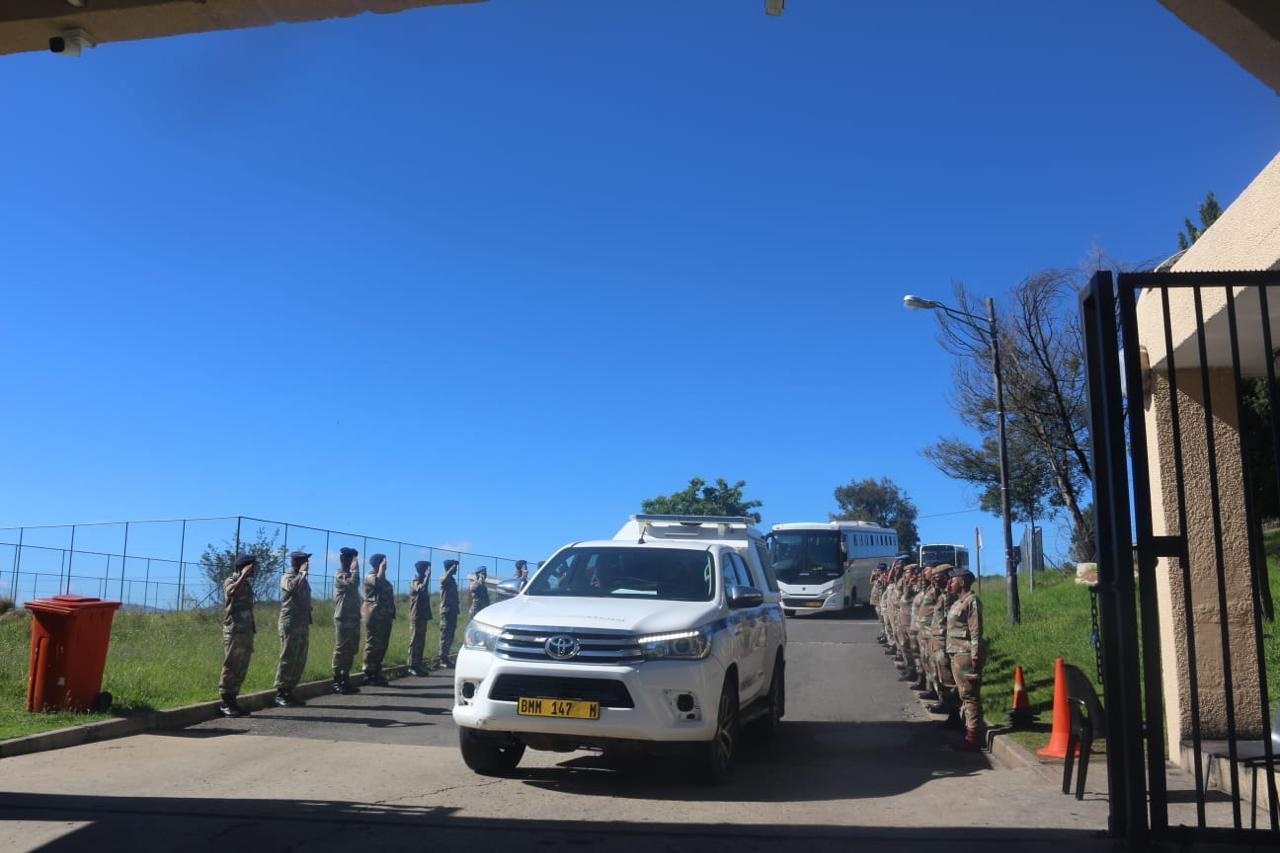
30 arrests after Durban and Johannesburg immigration protests as police stay deployed at hotspots
NATJOINTS says heightened deployments will remain in place in the Durban CBD, Soweto and Johannesburg after this week's demonstrations against undocumented immigration.
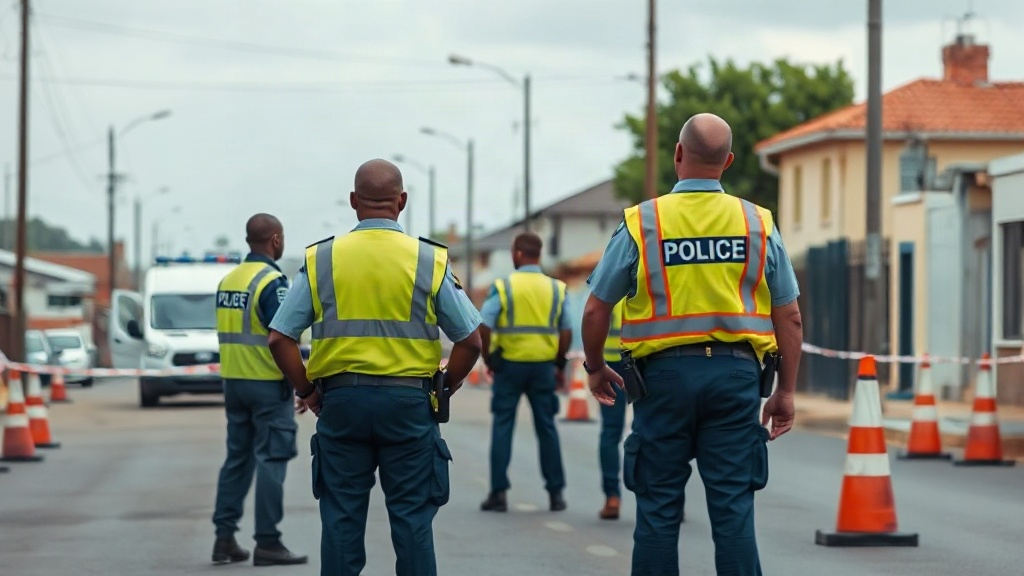
Thirty people have been arrested after this week’s anti-undocumented-immigration protests in Durban, Soweto and Johannesburg, 25 in KwaZulu-Natal and five in Gauteng, for offences including public violence, illegal gathering, obstruction and resisting arrest.
The National Joint Operational and Intelligence Structure, the body that coordinates the police, the metro departments and the intelligence services during unrest, says heightened deployments will stay in place at hotspots in Durban and Johannesburg. That is the state’s answer to the week. The week itself belongs to the residents who took to the streets.
South Africans in those areas marched over the pressure undocumented immigration puts on the places where they live and trade. The complaints are the familiar ones from this beat. Spaza shops and street trading in the Durban CBD and in Johannesburg’s inner city, where competition for a pitch is direct and daily. Clinic queues in neighbourhoods where a single facility serves far more people than it was built for. Classrooms carrying more children than desks. Rental rooms shared by more people than the lease allows. Policing stretched thin while residents say they carry the consequences themselves.
Those are the conditions that put people on the street this week. They are not new, and they did not arrive with this week’s marches. Home Affairs has for years processed asylum and permit applications through a system that South Africans can see failing in front of them, and the department’s own queues are the most visible sign of it. When the state cannot say who is in the country, residents in the areas where the pressure lands are the ones who end up counting.
What the residents want is enforcement. They want Home Affairs to process and to decide. They want the police to act on premises that trade without papers and on landlords who pack people into rooms. They want the border to mean something. Those demands are legitimate, they are political, and they are the reason the crowds formed. The right to march and to petition is in the Constitution, and it belongs to South Africans as much as to anyone else.
What happened alongside the marches is also part of the record. There was damage, and NATJOINTS has deployed accordingly. The arrests are the state’s account of what it says happened in the crowds. Twenty-five in KwaZulu-Natal and five in Gauteng is the count. The reasons people were on the street came first, and the count follows them.
The SABC reported on 10 October that NATJOINTS had briefed on the deployments and the arrests, and that the structure had said criminality would not be tolerated. That reporting is accurate on the numbers and on the deployments. What a South African reader needs alongside it is the context the briefing format does not carry. NATJOINTS is a coordinating structure, not a policy maker. It can hold a hotspot. It cannot decide who stays in the country, who is removed, or how long a Home Affairs queue runs. The enforcement questions that produced this week’s marches are not questions a police deployment answers.
That gap is the story the country is now living with. The state has answered the symptom, which is the street, with boots and arrests. It has not yet answered the cause, which is an immigration and asylum system that residents in Durban, Soweto and Johannesburg experience as absent. Until it does, the pressure that filled those streets this week will keep finding somewhere to go.
Home Affairs has not said this week what it will change in processing, in removals or in the inspection of businesses that employ undocumented workers. The police have not said how long the deployments will run or what would let them stand down. Those are the questions this paper is putting to the department and to the SAPS. We will report what they answer, and what residents in the affected areas say about whether anything on the ground has actually changed.