30 arrests after Durban and Joburg anti-immigration protests, police stay in the hotspots
NATJOINTS says heightened deployments will remain in Durban and Johannesburg after this week's protests over undocumented immigration, with 25 of the arrests in KwaZulu-Natal and 5 in Gauteng.
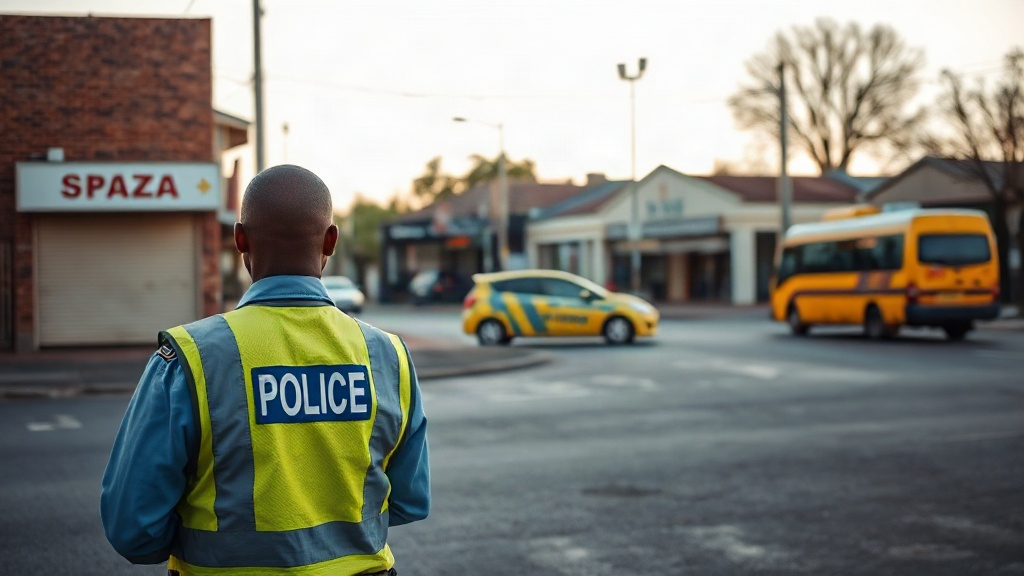
Thirty people have been arrested after this week’s anti-undocumented-immigration protests in Durban, Soweto and Johannesburg, and the police say their heightened deployments at the hotspots are not coming down yet.
The National Joint Operational and Intelligence Structure, known as NATJOINTS, briefed the media on Saturday, 10 October 2026. As SABC News reported that day, 25 of the arrests were in KwaZulu-Natal and 5 in Gauteng. The offences listed include public violence, illegal gathering, obstruction and resisting arrest.
NATJOINTS is the structure that coordinates the South African Police Service with the metro police, the defence force and the intelligence services when a situation outgrows a single province or a single department. When it says deployments will remain in place, it is speaking for the state’s whole security apparatus, not one station or one province.
The protests happened earlier this week, in the Durban CBD, in Soweto and in Johannesburg. They were about undocumented immigration.
That is the part of the story that matters most to the people who live in those areas, and it is the part a reader coming to this fresh needs stated plainly. The marches were not about a distant policy debate. They were about the conditions residents say they are living with, and the demand that the state enforce the immigration laws it already has. Those demands are a legitimate political position in this country, and they are the reason the crowds were on the street.
The state’s answer so far is enforcement of a different kind. It has charged people who were in the crowds, and it has promised to keep officers visible in the areas where the protests happened.
What that leaves open is the question residents were asking in the first place. Heightened deployments are a policing response to a protest. They are not, on their own, a change to who may remain in the country, who may be removed, how long a Home Affairs queue takes, or what happens at the border. A reader watching the briefing would not learn from it whether any of that has moved.
The arrests themselves are a fact and they will now go through the courts, where each case will be tested on its own evidence. Thirty people facing charges is a real number with real consequences for those individuals and their families. It is not the whole of what happened this week, and it does not answer the question the protests were about.
NATJOINTS has said the deployments will stay in Durban and Johannesburg for now. It has not said, in the material available, when they will end or what would have to change for them to end.
For people in the affected areas, the practical position going into the coming week is this. Police numbers on the ground will be higher than usual. The immigration questions that brought people out, about undocumented migration and the load it places on South African neighbourhoods, services and jobs, remain where they were when the week began.